In a world racing to solve hunger, nutrition, and climate challenges, Natalie Kaiser believes the answer may lie in deceptively simple products Health and hunger aren’t just about calories. They’re about access to foods people want to eat — fruits and vegetables that are flavorful, fun, convenient, and that fit into real life.
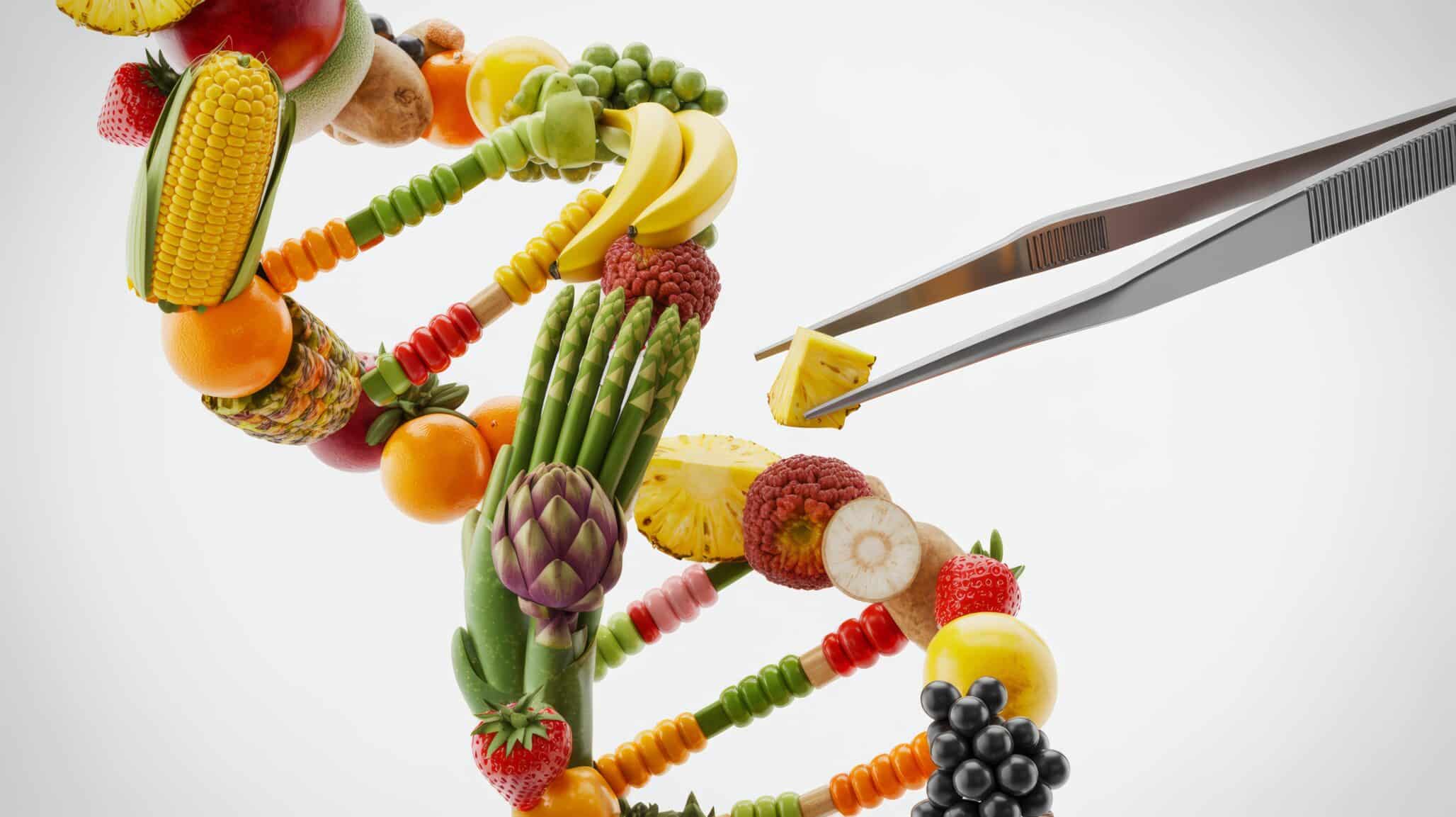
Kaiser, a pepper breeder and innovation trailblazer at Bayer Crop Science , is part of a team using cutting-edge tools—from gene editing to digital phenotyping—to create fruits and vegetables that aren’t just bigger or more disease-resistant. They’re designed to delight.
“For a long time, the consumer’s voice has been hard to capture in the breeding process — difficult to define, and even harder to translate into trait targets.” Kaiser says. “We’re building a new kind of product—one that listens to the consumer, understands the supply chain, and gives farmers a sustainable advantage.”
The Taste of Innovation
Kaiser’s journey began in upstate New York and Michigan’s potato fields, with degrees in applied plant science, genetics, biotechnology and plant breeding. But it’s in her role at Bayer, influencing digital phenotyping and consumer-centric product development, where her work truly blooms.
The innovation unit she is now a member of is tackling one of agriculture’s toughest riddles: how do you breed for human preference?
Traditionally, breeders have optimized for what they can easily measure: yield, disease re-sistance, uniformity. But consumer preferences—flavor, texture, convenience—have long remained on the periphery. They’re tricky to quantify, shaped by emotion, memory, and culture.
So the team at Bayer devised a new approach: treat preference like any other trait. Map it, measure it, and design for it.
Using consumer sensory panels, gas chromatography to detect aroma compounds, texture analyzers for crunch, and rapid-fire surveys to rank taste and appearance, the team translates subjective reactions into breeding objectives. In some cases, they even predict consumer approval using models built on lab data.
One standout example? A cherry cocktail tomato with an 82% correlation between lab-based phenotyping and real-world consumer liking scores. “We’re saving time and money,” Kaiser explains, “while delivering products that actually resonate.”
Rethinking the Value Chain—from Farm to Fork
“Everyone in the value chain has different needs,” Kaiser says. “The grower wants yield and re-liability. The retailer wants shelf life and visual appeal. The consumer? They want food that’s delicious, nutritious, and convenient.”
The challenge is aligning those goals—and avoiding trade-offs that tip the balance.
In melons, for instance, retailers might prefer rough-skinned varieties that last longer post-harvest. Consumers, however, often lean toward smooth-skinned melons for their aesthetic and feel. In one case, a rapid-response test involving 300 consumers revealed something unexpected: buyers didn’t care about the skin texture as much as assumed. Shelf life could remain the priority.
These insights aren’t gathered over months. They’re captured in days using tools like monadic testing, which isolates traits to get fast, unbiased results.
“We’re not guessing anymore,” Kaiser says. “We’re designing with clarity.”
Shelf Life as a Climate Solution
Of all the traits in Bayer’s consumer differentiated portfolio that Kaiser is passionate about, shelf life might seem the least glamorous. But it’s also one of the most powerful.
“Reducing food waste is one of the biggest levers we have for climate and food security,” she says.
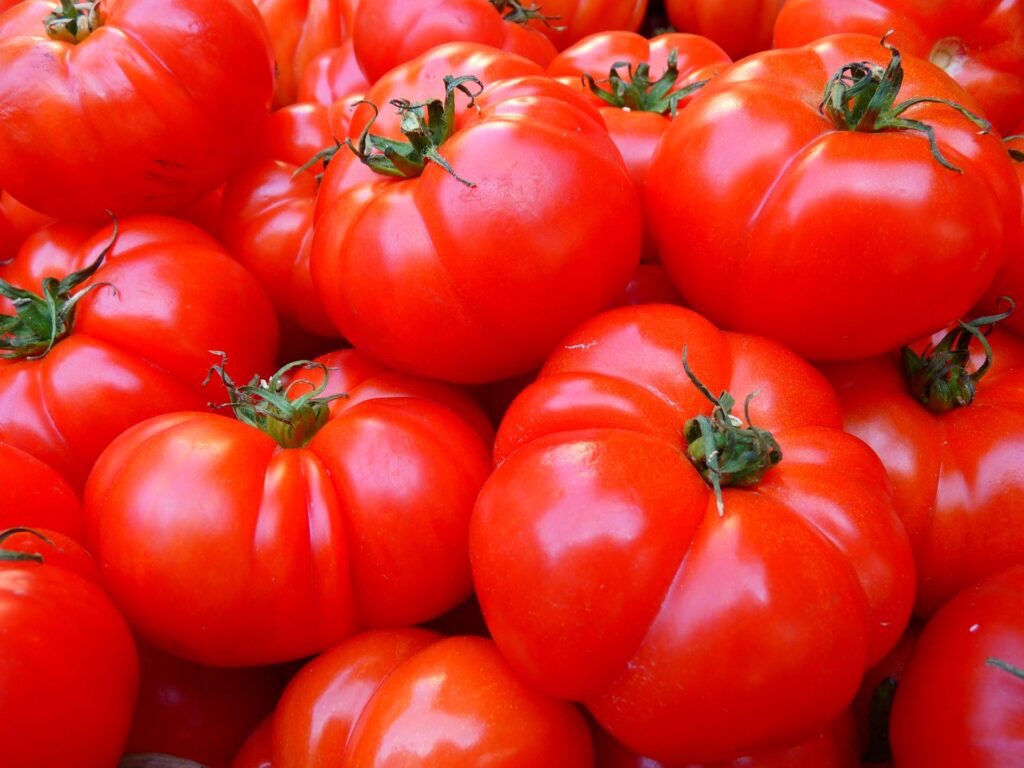
The solution? A tomato developed for smallholder farmers in Asia and Africa. Designed to resist disease and last nearly twice as long post-harvest, it reduces spoilage, cuts emissions by requiring fewer inputs, and boosts farmer incomes by delivering more sellable product to market.
To Kaiser, that’s not just a technical victory. It’s social and economic transformation, one tomato at a time.
Tech-Forward Vegetables—and a New Generation of Eaters
Perhaps the most provocative shift the team is helping to shape isn’t technological — it’s cultural.
A recent study shows that 77% of Gen Z consumers are open to trying food developed with new technology. More than 40% are even willing to pay more for food that’s gene-edited to be healthier or more sustainable.
That opens the door to bolder product innovations like a suite of flavor-forward mustard greens developed in partnership with Pairwise. By editing out pungent compounds while preserving nutrition, the team created a leafy green that’s as tasty as it is healthy — and far more accessible to mainstream eaters.
“This product wouldn’t exist without strategic partnerships,” Kaiser says. “Pairwise brought the gene editing expertise. We brought the agronomics and the grower network. Together, we’re changing what vegetables can be.”