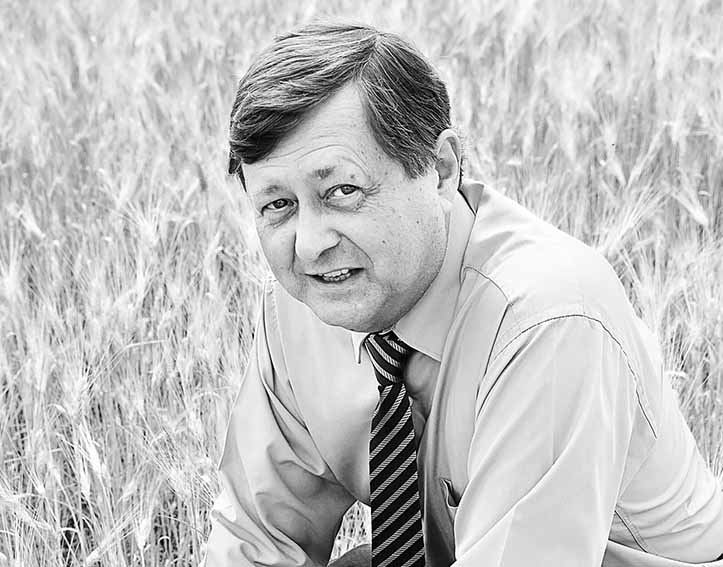
He mentored the next generation of ag leaders, and helped build one of Ontario’s most influential ag hubs. Peter Hannam didn’t just shape a farm — he reshaped the future of agriculture.
At today’s Seeds Canada Annual Conference in Quebec City, members paid tribute to a giant of the Ontario seed sector.
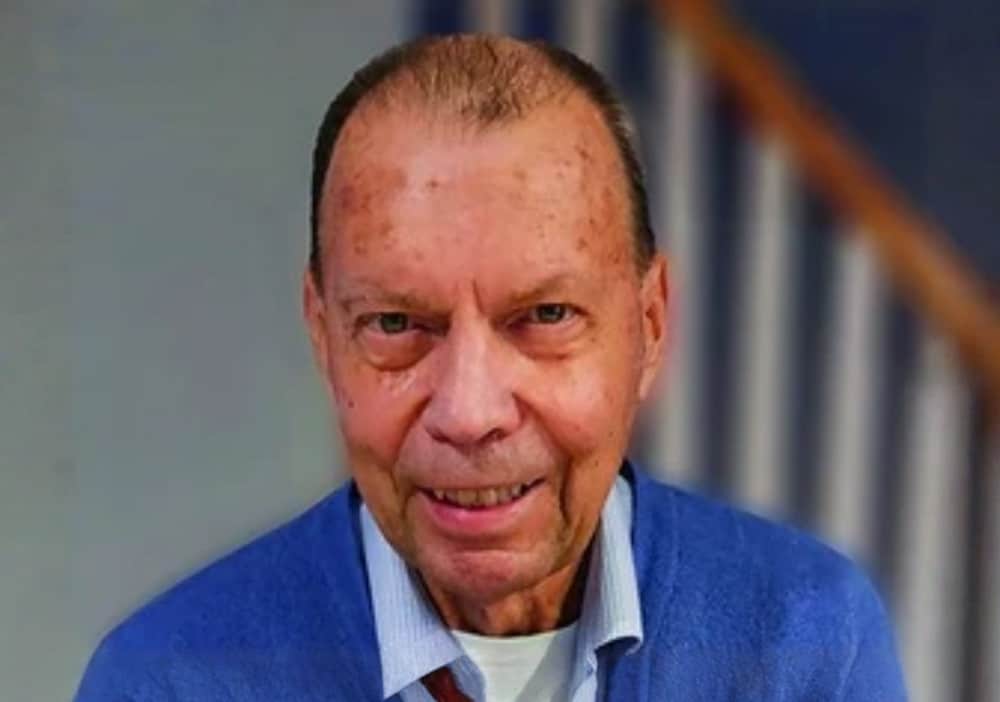
Peter Hannam, a transformative force in the Canadian seed sector, passed away early last month. Widely recognized for his remarkable achievements — including his election to both the Canadian Agricultural Hall of Fame and the Ontario Agricultural Hall of Fame, as well as receiving an honorary doctorate from the University of Guelph — Hannam’s influence went far beyond accolades.
Bryan Gerard, president and co-owner of JoMar Seeds, reflected on Hannam’s legacy. “Many will remember Peter for his business successes and the honours he received,” Gerard said. “But I’ll remember his integrity, his loyalty, and the way he treated challenges — not as hurdles, but as opportunities to create change.”
After graduating from the Ontario Agricultural College at the University of Guelph in 1962, Hannam returned to his family’s farm near Guelph. There, he expanded Woodrill Farms into a prosperous crop enterprise, shifting from dairy to grain production just a few years later. He also explored soybean breeding, a move that marked the beginning of his lasting influence in the seed sector.
In 1982, Hannam and a group of 11 other growers launched First Line Seeds, which introduced early-maturing soybean varieties to the market. The company also led the way in bringing genetically modified soybeans to Canada through a partnership with Asgrow Seeds, then a major player in U.S. soybean production. Hannam had long embraced innovation — he was among the earliest Canadian farmers to experiment with glyphosate herbicide in the 1970s.
Following the sale of First Line Seeds to Monsanto in 2004, Hannam remained deeply engaged in advancing soybean research and development. He chaired Soy 20/20, a national initiative focused on expanding the uses of soybeans, and was instrumental in launching Project SOY, a University of Guelph competition encouraging students to develop novel soy-based products.
Hannam’s influence extended far beyond his own ventures. He served in leadership roles across numerous organizations, including the Canadian Seed Trade Association, the Canadian Soybean Export Association, and the Canadian Federation of Agriculture.
In 2005, Hannam collaborated with local developers to help establish the Ontario Agri-Centre in Guelph, a shared space for many of the province’s agricultural organizations.
Above all, Hannam was a mentor, Gerard said. “He wanted to see the next generation flourish. He gave young people in the seed industry the chance to grow — and he truly believed in them.”