With new, streamlined regulations, innovators finally have the green light to bring next-gen seeds to market faster than ever before.
For over a decade, Canada’s biotechnology industry and government regulators have been working behind the scenes to solve a growing problem: how to regulate a new generation of plant breeding technologies — particularly gene editing — without choking off innovation.
The result is a set of recently released guidelines that may now represent one of the world’s most balanced, science-based, and innovation-friendly regulatory frameworks for plant biotechnology. And it’s already reshaping how crops are developed, tested, and commercialized — both in Canada and abroad.
At the centre of this policy evolution is Jennifer Hubert, director of plant biotechnology at CropLife Canada. With more than 20 years of experience in seed regulation, Hubert has helped lead national and international efforts to retool how governments assess and oversee novel plant traits — whether they arise from traditional breeding, transgenic techniques, or the far more precise methods of gene editing.
At yesterday’s Seeds Canada Annual Conference in Quebec City, Hubert outlined how Canada’s revamped framework untangles some of the confusion that long dogged the term “novelty” — a cornerstone concept in the country’s regulatory language that determines whether a new crop must undergo rigorous, pre-market safety evaluations.
Historically, even conventionally bred crops could be flagged as “novel” based on ambiguous criteria, leading to burdensome reviews and regulatory bottlenecks. This, Hubert explained, hindered not only genetically engineered varieties but also limited innovation in classical plant breeding. The updated guidance — rolled out by Health Canada and the Canadian Food Inspection Agency starting in 2022 — aims to change that.
Now, novelty is defined more clearly and consistently, allowing developers to determine more confidently whether their products trigger additional oversight. Most gene-edited crops, like their conventionally bred cousins, are expected to fall outside this definition.
“Canada doesn’t regulate gene editing less,” Hubert clarified. “It regulates it smarter.” That distinction is critical. Gene editing technologies such as CRISPR-Cas9 don’t necessarily introduce foreign DNA, and their end products can be virtually indistinguishable from those developed through traditional means.

Canada’s approach recognizes this scientific reality by applying the same novelty-based lens to all breeding techniques. What matters is the outcome — whether the trait is truly new and poses any risk — not the method used to achieve it.
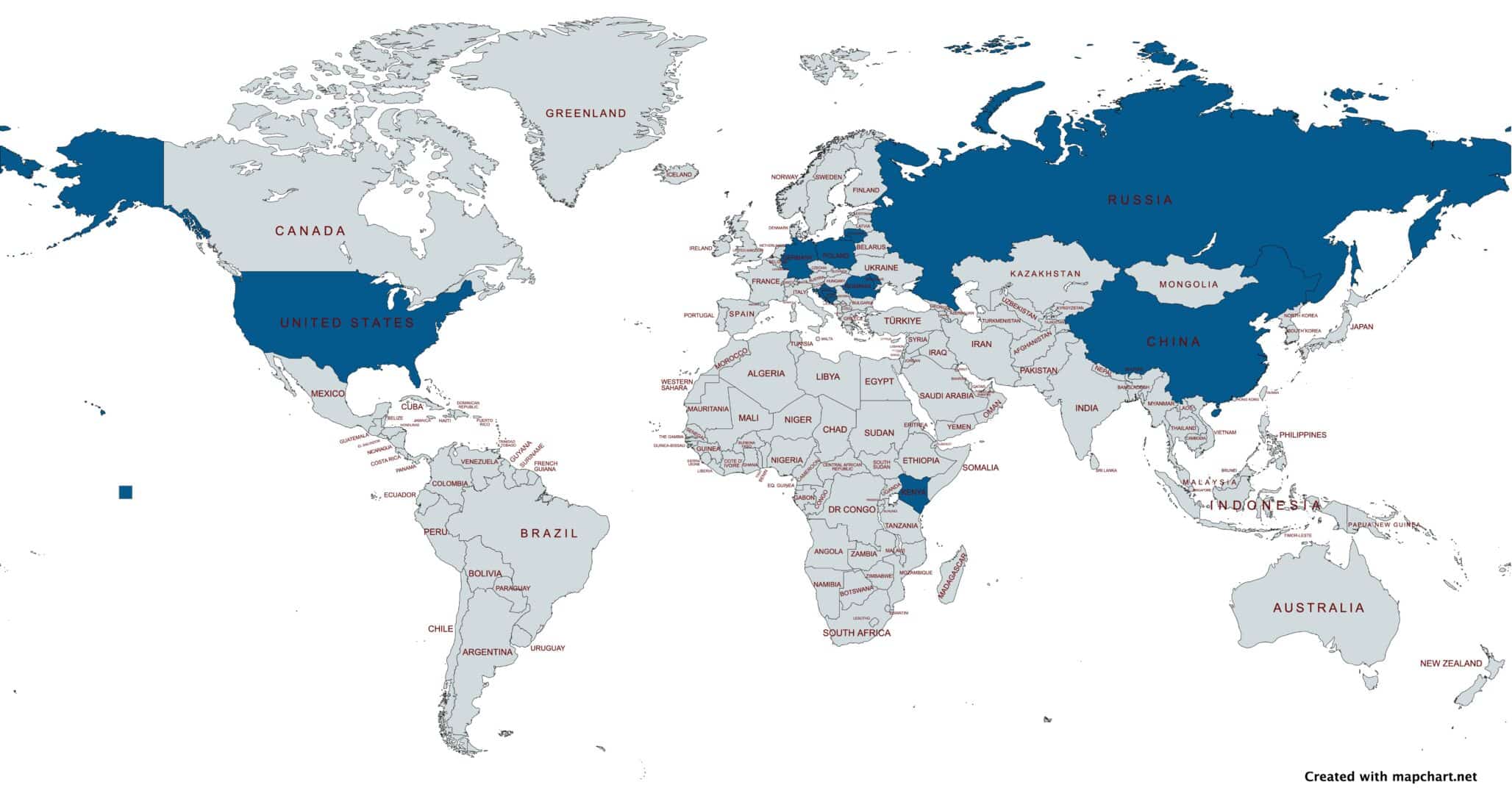
Other countries are watching closely. In a world where biotechnology policies are often shaped by political pressures as much as science, Canada’s methodical but progressive stance is drawing international attention. Several countries — most notably Argentina, Brazil, and Japan — have followed similar paths by streamlining the regulatory treatment of gene-edited crops.
Even the European Union, long a holdout in embracing agricultural biotech, is edging toward a policy that treats gene editing differently from genetically modified organisms (GMOs), though full implementation could still be years away.
Still, complexity abounds. While the trend globally is toward greater regulatory clarity for gene editing, each jurisdiction defines novelty, risk, and genetic modification differently. For example, Canada uses strict criteria such as the presence of foreign DNA, while Argentina focuses on whether a novel combination of genes is introduced. These subtle differences can determine whether a crop must go through costly and lengthy reviews — or proceed more smoothly to market.
“It’s that 5% edge-case scenario where things can get tricky,” Hubert noted, “and those edge cases are different in every country.”
This evolving regulatory landscape presents opportunities — and challenges. On one hand, streamlined processes make it easier for smaller companies and public research institutions to compete. In Argentina, for example, nearly 90% of gene-edited crop applications now come from small or medium enterprises and public research institutes, compared to just 10% before their streamlined policy was introduced. On the other hand, more players in the field means more coordination is needed across global supply chains, trade markets, and consumer-facing transparency tools.
To meet that need, CropLife Canada and Seeds Canada have introduced voluntary initiatives aimed at building trust across the food system. These include product launch guides and transparency databases where companies can register their gene-edited products — even when regulatory review is not mandatory. These steps are intended not to duplicate oversight, but to ensure that developers engage with supply chains and consumers early in the commercialization process.
That communication is crucial, because public understanding of plant breeding—let alone gene editing—remains limited. A recent survey by the Canadian Centre for Food Integrity found that many Canadians struggle to distinguish between GMOs, gene editing, and even conventional plant breeding. Nearly 30% of respondents expressed negative views of GMOs, but similar levels of confusion also surrounded basic plant breeding. As Hubert noted, “It’s not rejection. It’s unfamiliarity.”
That’s where campaigns like Nature Nurtured, developed by CropLife and its partners, come into play. Designed to demystify gene editing for a general audience, the platform uses friendly language and animations to explain what these technologies are — and what they are not. It’s part of a broader effort to close the knowledge gap between scientists, regulators, and the consumers they serve, Hubert added.