CIMMYT recently hosted Rosaura Ruiz Gutiérrez, Secretary of Science, Humanities, Technology and Innovation (Secihti), and Julio Berdegué Sacristán, Secretary of Agriculture and Rural Development (AGRICULTURE) of the Government of Mexico. The visit aimed to present CIMMYT’s latest scientific advances, strategic partnerships, and actions contributing to the transformation of Mexico’s agri-food systems.
CIMMYT CEO Bram Govaerts welcomed the authorities and introduced the organization’s 2030 strategy, emphasizing the vital role of science, innovation, and capacity building in tackling the challenges facing agri-food systems and building a more sustainable, resilient, and inclusive future.
Govaerts highlighted Mexico’s unique opportunity to access and benefit from CIMMYT’s global scientific discoveries and cutting-edge technologies. He affirmed CIMMYT’s commitment to accelerating joint innovation and capacity development to ensure that improved grain varieties and resilient agricultural practices continue to be shared “from Mexico to the world,” a tradition more than 80 years in the making, according to a press release.
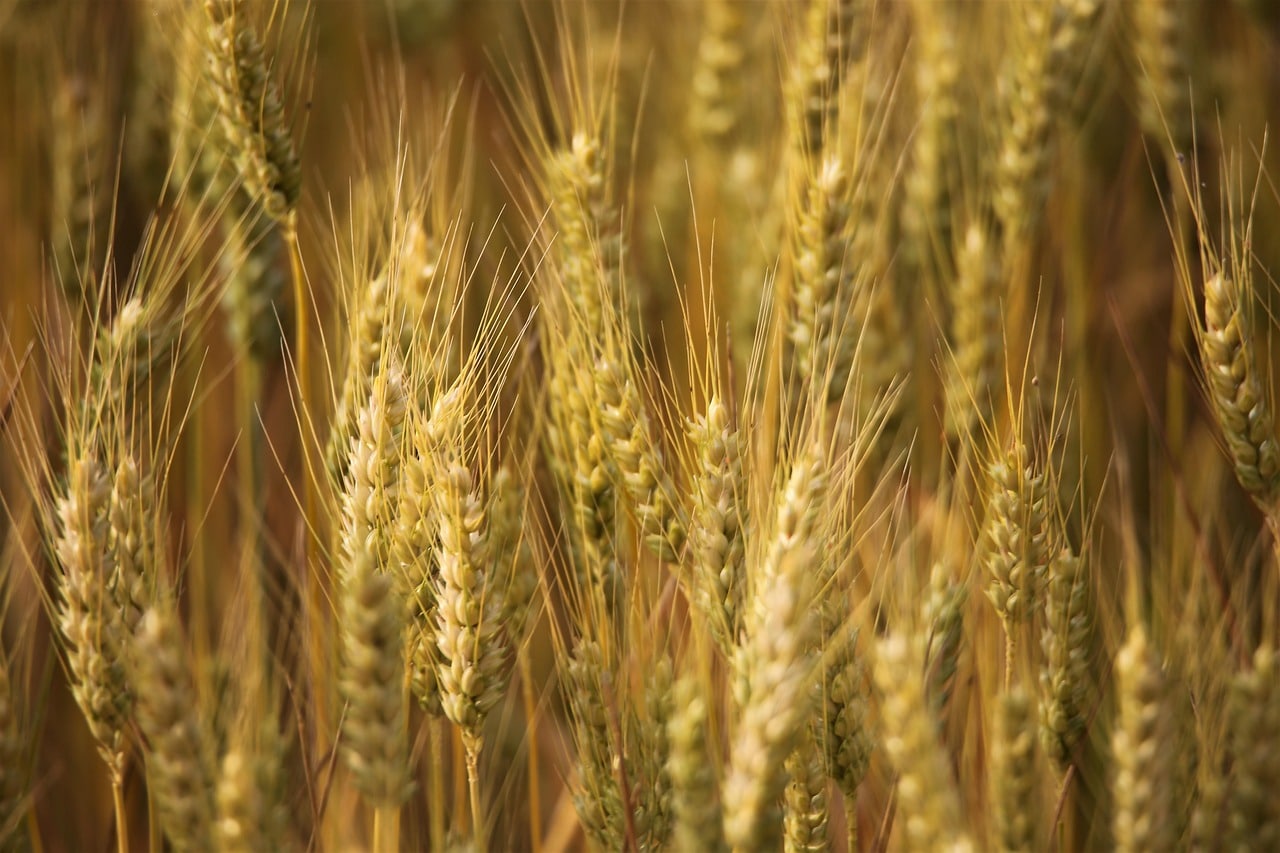
The visit included a tour of the Wellhausen-Anderson Genetic Resource Center, where officials learned about the strategic conservation and use of genetic diversity. The center houses over 124,000 wheat and 28,000 maize accessions — one of the world’s most significant germplasm banks — which are critical for developing climate-resilient, pest- and disease-resistant, and nutritionally enhanced crop varieties.
The collaboration with INIFAP’s National Center for Genetic Resources, part of AGRICULTURE, was highlighted as a key partnership supporting the long-term conservation and sustainable use of Mexico’s agricultural biodiversity.
Officials were also introduced to CIMMYT’s biofortification research, which connects genetic improvement to improved nutrition — particularly in vulnerable communities. This work is complemented by CIMMYT’s long-term research platforms focused on sustainable agriculture, where practices are tested and adapted to local conditions with a clear vision for environmental sustainability.
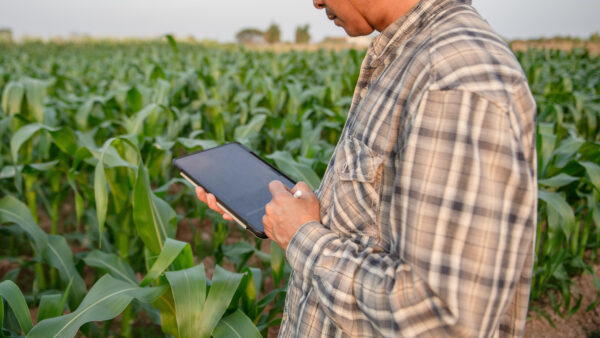
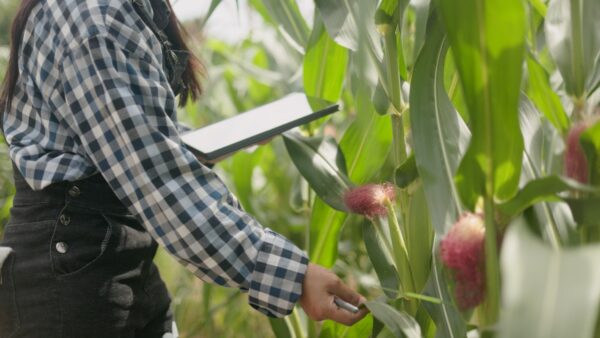
As part of the visit, the delegation toured one of CIMMYT’s 50 long-term research platforms, part of the Latin American Agronomic Research Network and integrated into 13 innovation hubs across Mexico. These platforms allow for real-time, evidence-based validation of regenerative and integrated practices such as soil conservation, efficient nutrient management, crop diversification, and rational water use.
Rather than focusing on individual crops or technologies, these platforms treat agriculture as a holistic system. They recognize soil as a living resource whose health is essential for sustainability and climate resilience.
Through partnerships with more than 40 academic institutions, research centers, agribusinesses, local governments, and producer organizations, these platforms serve as a bridge between science and the field. They strengthen local capacities, support continuous learning, and enable farmers to make informed, profitable, and sustainable decisions.
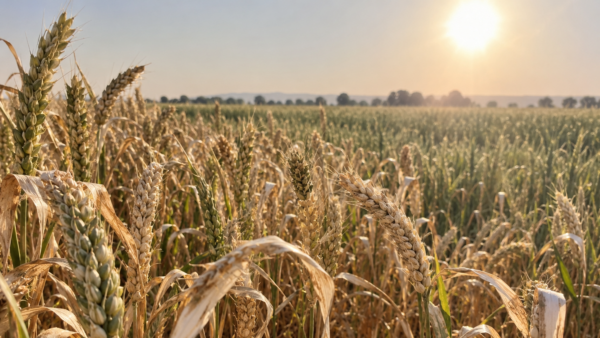
Secretary Berdegué Sacristán emphasized the importance of applying science and technology to corn and wheat cultivation — Mexico’s key staple crops — and ensuring that innovations reach small and medium-scale producers to improve their well-being. He praised CIMMYT’s efforts in conserving and leveraging its extensive germplasm bank, and its advanced laboratories and facilities focused on building climate-resilient agriculture.
He reaffirmed AGRICULTURE’s commitment to equipping producers with practical, inclusive tools and solutions to support sustainable and accessible production systems—critical for achieving national goals of self-sufficiency and food sovereignty under the administration of President Claudia Sheinbaum Pardo.
Secretary Ruiz Gutiérrez noted the government’s focus on improving corn and bean seed production, making CIMMYT’s capabilities, infrastructure, and technological advances highly relevant. During the tour, she engaged with scientists and highlighted the importance of connecting students and researchers from public institutions with CIMMYT through collaboration agreements and internships.
Ruiz Gutiérrez also pointed to Mexico’s current challenges in technological development, recognizing the potential of CIMMYT’s innovations in agricultural machinery and robotics to improve production processes for small and medium-scale farmers—while always respecting local contexts.
Secihti’s network of public research centers — including CIAD, CentroGeo, CICY, and UNRC — has already collaborated with CIMMYT and is part of its Latin American Agronomic Research Network.
CIMMYT’s work in Mexico has demonstrated that science has the greatest impact when co-created with farming communities, drawing on both modern research and traditional knowledge. Through its 13 innovation hubs located in key regions such as Bajío, Pacifico, Altiplano, Gulf, Chiapas, and the Yucatan Peninsula, CIMMYT integrates scientific research, experimental platforms, and local practices to generate relevant, contextualized, and data-driven solutions.
These hubs bring together producers, academia, agribusiness, governments, and research institutions, fostering tailored technologies and sustainable practices that directly impact rural development. With strong support from the Government of Mexico, this model is also being expanded to Guatemala and Honduras, contributing to broader regional transformation of agri-food systems.
Both visiting officials bring strong credentials and vision to their roles. Rosaura Ruiz Gutiérrez — a prominent biologist and academic — has long championed the role of science and education in national development. Julio Berdegué Sacristán, an agronomist and international expert on rural development and food security, continues to lead regional efforts to build more equitable and sustainable food systems.
CIMMYT reaffirmed its commitment to serving as a strategic ally to the Government of Mexico, offering its scientific expertise, infrastructure, and global networks to support the sustainable transformation of agri-food systems — for the benefit of people, the environment, and the country’s economy.