
Cover crops have moved well beyond being viewed as a niche practice. Today, they represent a research-driven solution to some of agriculture’s most pressing challenges including soil health, nutrient retention, erosion control, and long-term sustainability.
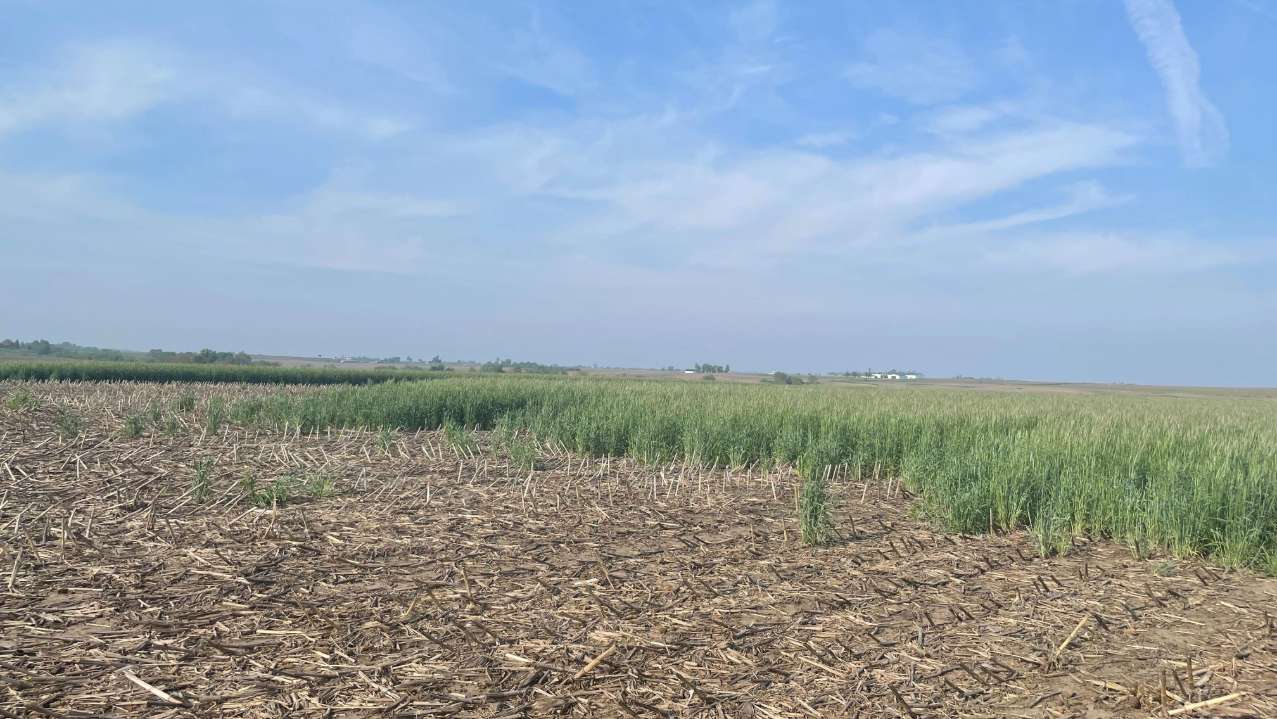
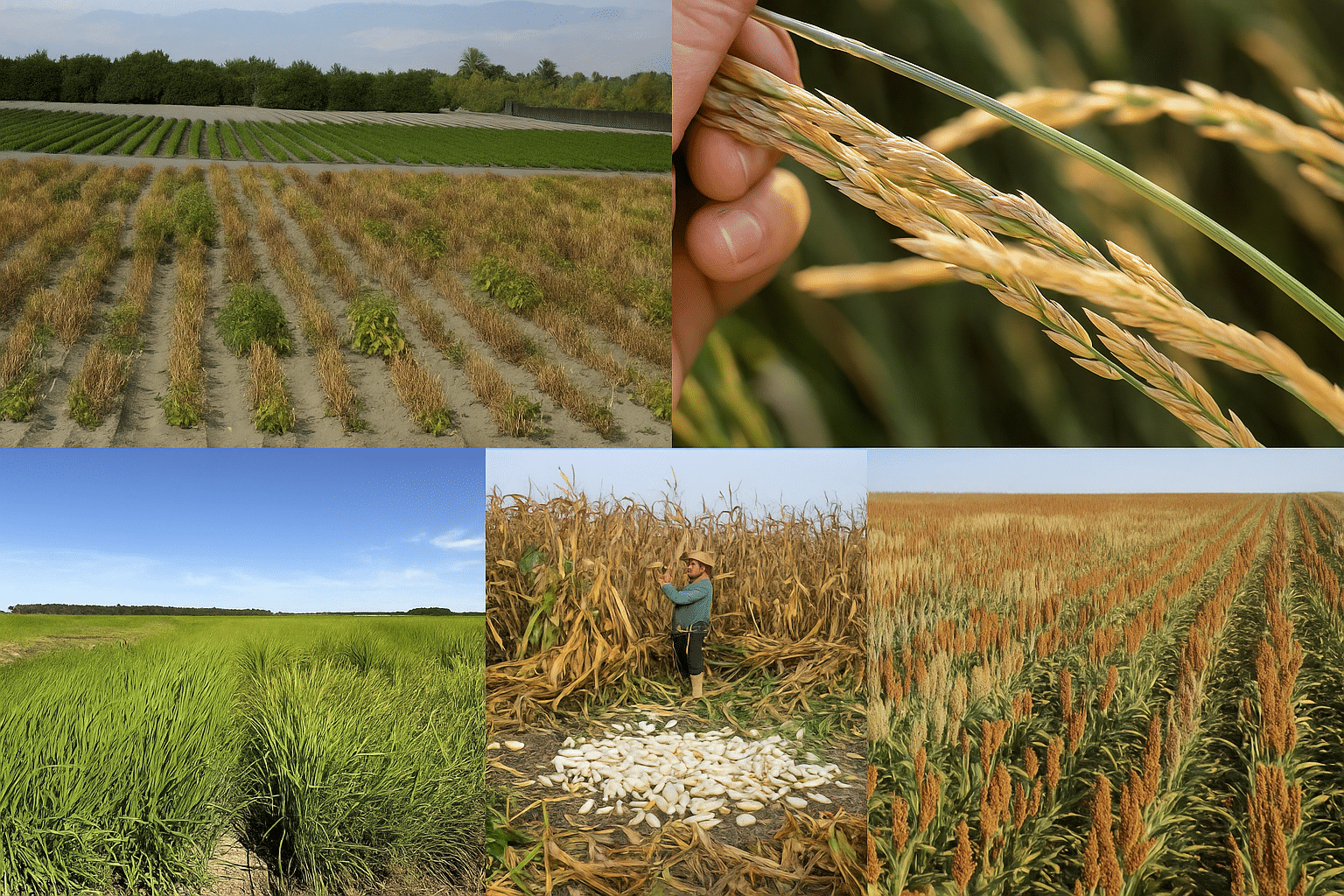
At Iowa State University’s Seed Science Center, we’re exploring what’s next in cover crop innovation by taking a closer look at perennial cover crop species that can remain in the field year-round without needing to be replanted every season. These systems have the potential to reduce soil disturbance, lower input needs, and build long-term resilience on the farm.
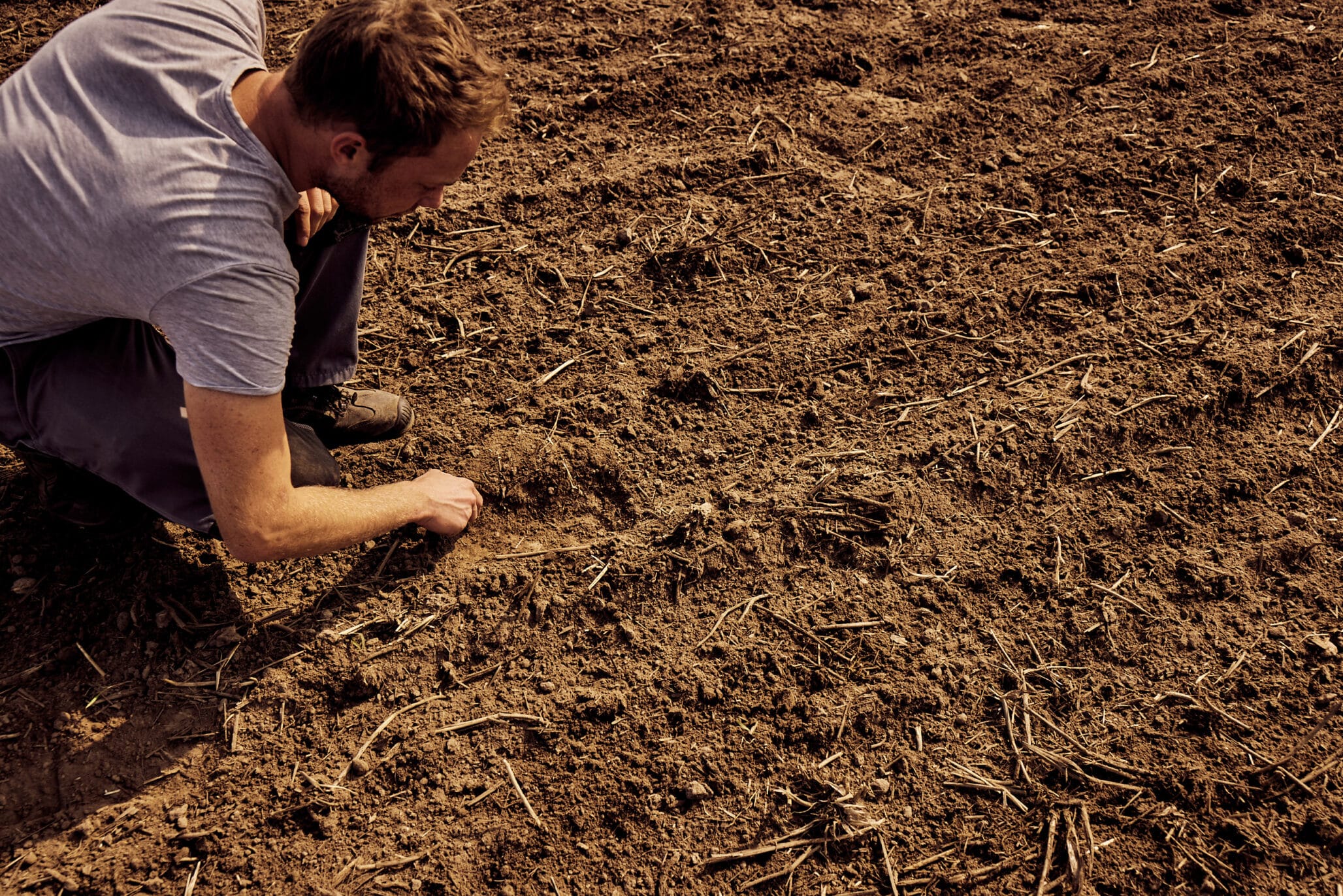
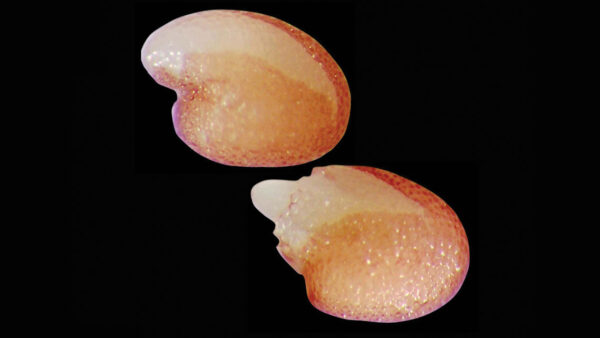
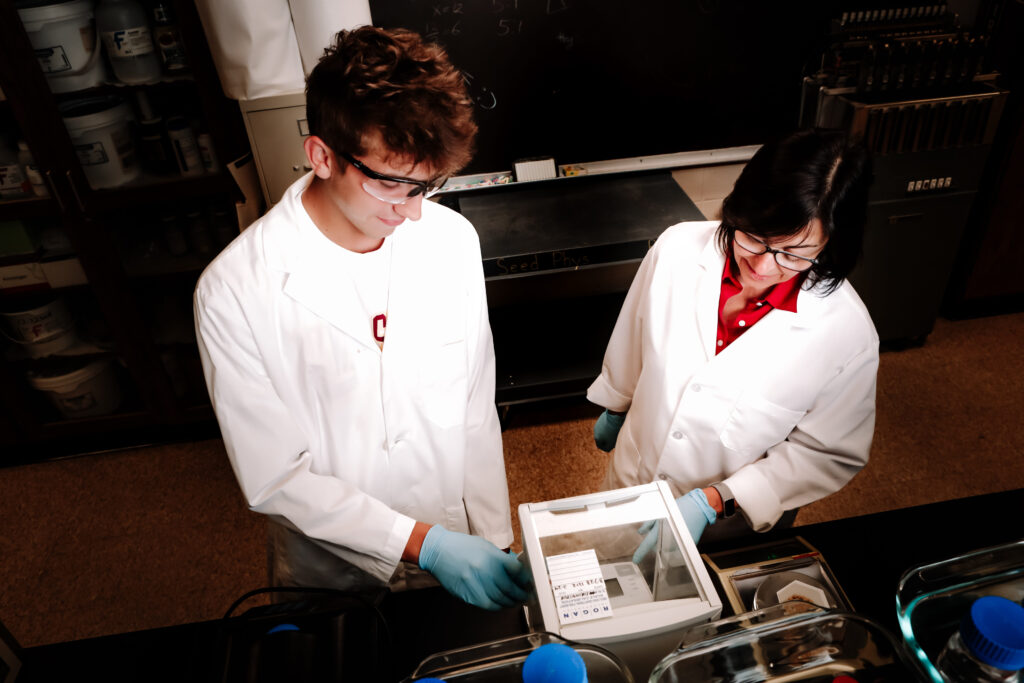
What sets our work apart is a focus on real-world application. Our interdisciplinary team of seed physiologists, weed scientists, and industry collaborators is identifying and evaluating plant varieties that can integrate into existing cropping systems, particularly with corn. We’re studying not only how these plants grow and compete, but also how they interact with soil microbiology, nutrient cycling, and seasonal management.
As part of this work, I am a member of RegenPGC which is short for Regenerating America’s Working Landscapes to Enhance Natural Resources and Public Goods through Perennial Groundcover. This national project brings together a large team of scientists and engineers who share a bold vision: making year-round cover on cropland in the Midwest the norm, not the exception. The collaboration underscores our commitment to scaling sustainable practices that benefit both farm productivity and the environment.
We also understand that innovation must be economically viable to be adopted. That’s why we’re working alongside economists and ag professionals to explore incentives, policy frameworks, and management strategies that make sense for farmers. It’s not just about proving the science, it’s about ensuring the solution is practical, scalable, and profitable.
As climate variability continues to test the limits of traditional farming systems, the case for rethinking cover crops, especially perennial systems, becomes stronger. These approaches offer the potential for long-term gains in soil health, reduced erosion, and improved water quality without sacrificing productivity.
This is a critical moment to reimagine the role of cover crops in the seed industry and beyond. At the Seed Science Center, we’re committed to developing data-backed tools and systems that support farmers in building more resilient operations, not only for today but for generations to come.
How are you rethinking your approach to cover crops? We invite the seed industry to join us in shaping what’s next.