Ozone (O₃), a light blue gas made of three oxygen atoms, is best known for forming the Earth’s protective ozone layer in the stratosphere, which shields us from harmful ultraviolet radiation. While the stratospheric ozone layer has been extensively studied since its discovery over a century ago, ozone is also present in much smaller amounts in the troposphere—the lowest layer of Earth’s atmosphere.
At ground level, tropospheric ozone acts as a secondary pollutant. It forms through photochemical reactions involving nitrogen oxides and volatile organic compounds from both natural sources and human activities, such as biomass burning and fossil fuel combustion.
As a greenhouse gas, tropospheric ozone contributes to the formation of harmful photochemical smog, posing serious health risks to humans and animals, damaging ecosystems, and affecting microorganisms. Over the past century, increased emissions of nitrogen oxides and related pollutants have driven a rise in tropospheric ozone levels, especially in the extratropical regions of the Northern Hemisphere.
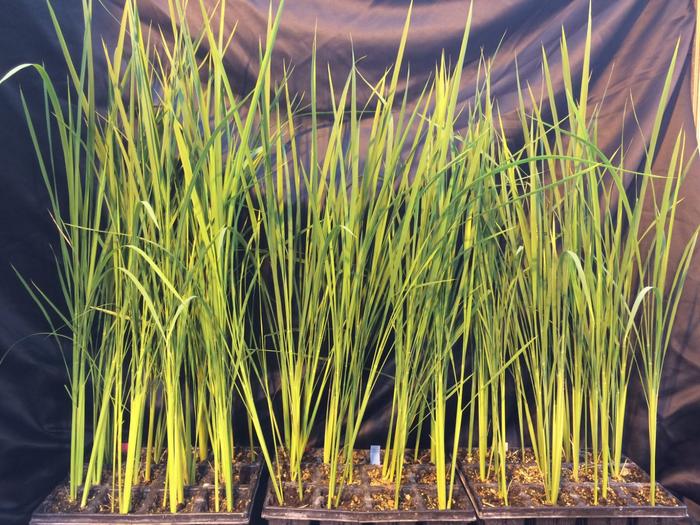
In China, rising surface ozone pollution — compounded by climate change and global warming — is threatening food security. Recent studies report yield losses for staple crops like rice, wheat, and maize ranging from 4.5% to 33%. However, uncertainties remain due to variations in ozone measurement accuracy and methods used to estimate crop impacts, according to a press release.
Addressing these challenges, an international team of researchers from China and the USA, led by Guangsheng Chen of Zhejiang A&F University and Hanqin Tian of Boston College, has provided a more comprehensive analysis of ozone pollution’s effects in China. Their findings were published online on February 25, 2025, and will appear in Volume 157 of the Journal of Environmental Sciences on November 1, 2025.
Talking about the methodology employed in this study, Dr. Chen says, “We analyzed the spatiotemporal patterns of O3 pollution and its impacts on yield, production, and economic losses for wheat, rice, and maize in China during 2005–2020 based on a high spatial resolution of 0.1° hourly surface O3 data.”
The researchers found that accumulated ozone exposure above a threshold of 40 parts per billion — known as AOT40 — increased by 10% between 2005 and 2019. However, in 2020, ozone levels dropped by 5.56%, largely due to COVID-19 lockdown measures, illustrating the pandemic’s significant environmental impact. Overall, rising ozone pollution contributed to substantial national yield losses in China: wheat declined by 14.51% ± 0.43%, rice by 11.10% ± 0.6%, and maize by 3.99% ± 0.11%.
The study also projects that, without effective emission control policies, relative yield losses (RYL) could reach between 8% and 18% nationally by 2050 under a business-as-usual scenario.
“COVID-19 lockdowns in 2020 led to significantly reduced RYL for maize (0.52%) and rice (2.17%), but not for wheat (0.11%), with the largest reduction (1.88%–9.4%) in the North China Plain, highlighting the potential benefits of emission control,” points out Dr. Tian
In summary, these findings suggest that rising ozone pollution has drastically affected crop yields in China, leading to production and economic losses. It presents a strong case for the urgent need to mitigate O3 pollution to ensure food security, especially in densely populated areas.