An Embrapa study has demonstrated that in grain production, it is possible to reduce or even eliminate the need for weeding and herbicides to manage spontaneous plants. The approach relies on simple practices such as crop rotation, soil cover, and direct seeding. These techniques are particularly beneficial for organic and agroecological systems, where chemical inputs are not used.
The research took place over four years in the Cerrado region of Goiás, under tropical conditions. It was conducted at the Agroecological Farm of Embrapa Arroz e Feijão, in Santo Antônio de Goiás (GO), in an area transitioning from conventional to organic and agroecological practices. The study examined how different cover crops and tillage methods (conventional vs. direct seeding) influence the presence of spontaneous plants — commonly referred to as “mato,” but viewed in agroecology as naturally occurring vegetation.
How the Study Was Conducted
The study tested combinations of soil cover crops under two tillage systems: direct seeding and conventional plowing with leveling harrows. These trials were repeated over four years. A fallow plot, where only naturally occurring vegetation was allowed to grow, served as a control. In all systems, annual grain crops were cultivated, according to a press release.
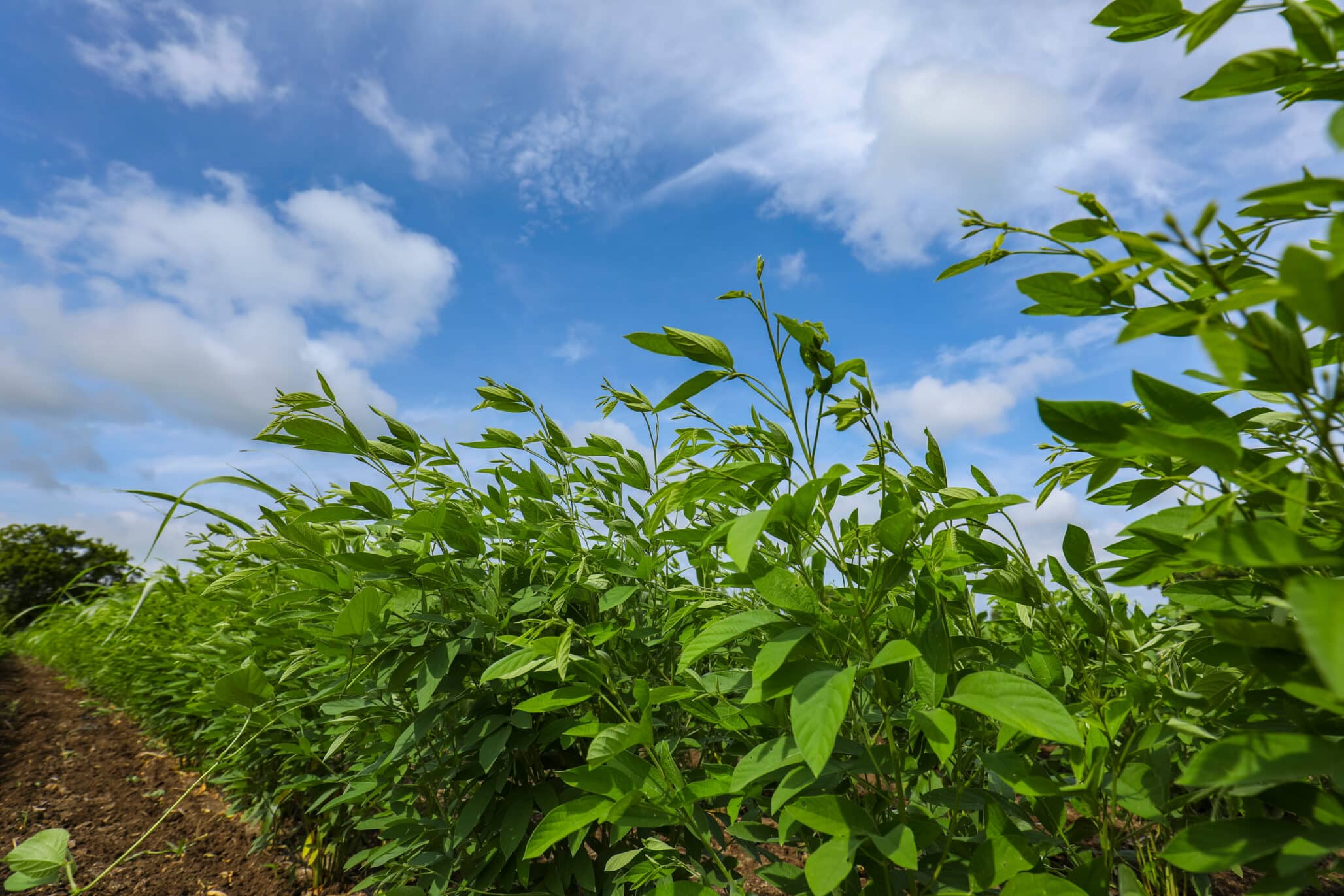
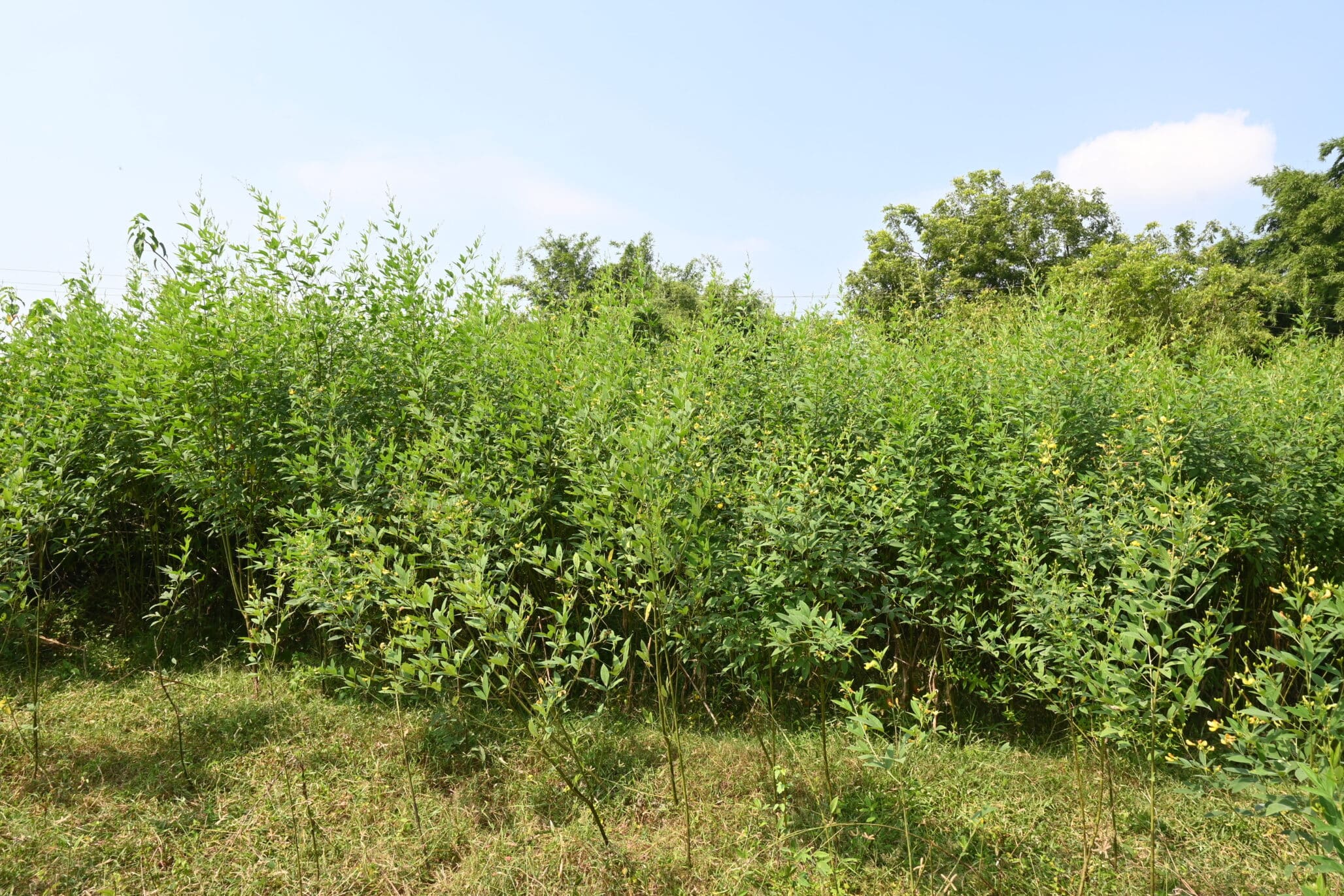
Corn and beans were planted during the rainy season. After harvest, cover crops — including crotalaria, pigeon pea (guandu), velvet bean (mucuna-preta), and broom sorghum — were sown during the off-season (known as the “safrinha”) and left to grow until the next cycle, except in the fallow plot. With the return of the rainy season, both cover and spontaneous vegetation were managed and either left on the surface (in the case of direct sowing) or incorporated into the soil (in conventional systems) before planting corn and beans again.
Controlling Cyperus rotundus (Tiririca)
Across the trial, researchers identified 25 species of spontaneous plants. Five species were selected for detailed analysis due to their relevance to corn and bean cultivation: Cyperus rotundus (tiririca), Commelina benghalensis (trapoeraba), Ipomoea species (viola string), Bidens pilosa (black picão), and Euphorbia heterophylla (milkweed).
Tiririca is a major challenge in tropical agroecosystems. The study found that cover crops had a suppressive effect on its growth when compared to fallow areas. According to Agostinho Didonet, an Embrapa researcher and co-coordinator of the project, the population of tiririca in the direct sowing system was about three times lower than in the conventional tillage system.
He also noted that broom sorghum, millet, and crotalaria — used as cover crops and managed before no-till grain planting — showed the lowest incidence of tiririca, likely due to their superior ground cover and biomass production.
Use of Different Roofing Plants
For another type of spontaneous plant common in the cerrado, the trapoeraba, the effect of different roof plants was also a differential. “The use of crotalária, guandu and mucuna allowed almost to double the control of trapoeraba, when compared to fallow and sorghum broom,” said Didonet. In this case, the researcher also notes that soil preparation, whether conventional or no-till, did not significantly affect the suppressive effect of the cover plants.
Agostinho Didonet noted that, overall, the experiments demonstrated that cover crops managed under a direct sowing system reduced the competitiveness of spontaneous plant species in organic corn and bean production. This effect is likely due to the continuous presence of cover crops during the off-season and the plant residue left on the soil surface.
He added that crop rotation during the rainy season, the use of various cover crops in the off-season, direct seeding, and the natural diversity of spontaneous plants in fallow plots contributed to a balanced plant community, without any single species becoming dominant. This balance supports the management and coexistence of spontaneous plants in line with agroecological practices in grain farming.