
Before joining Summit, I spent years on the road meeting with growers across the U.S. and parts of Canada — talking about everything from seed technology to agronomic best practices. One message I heard again and again, especially from farmers working to protect their land for the next generation, was this: soil is your most valuable asset.
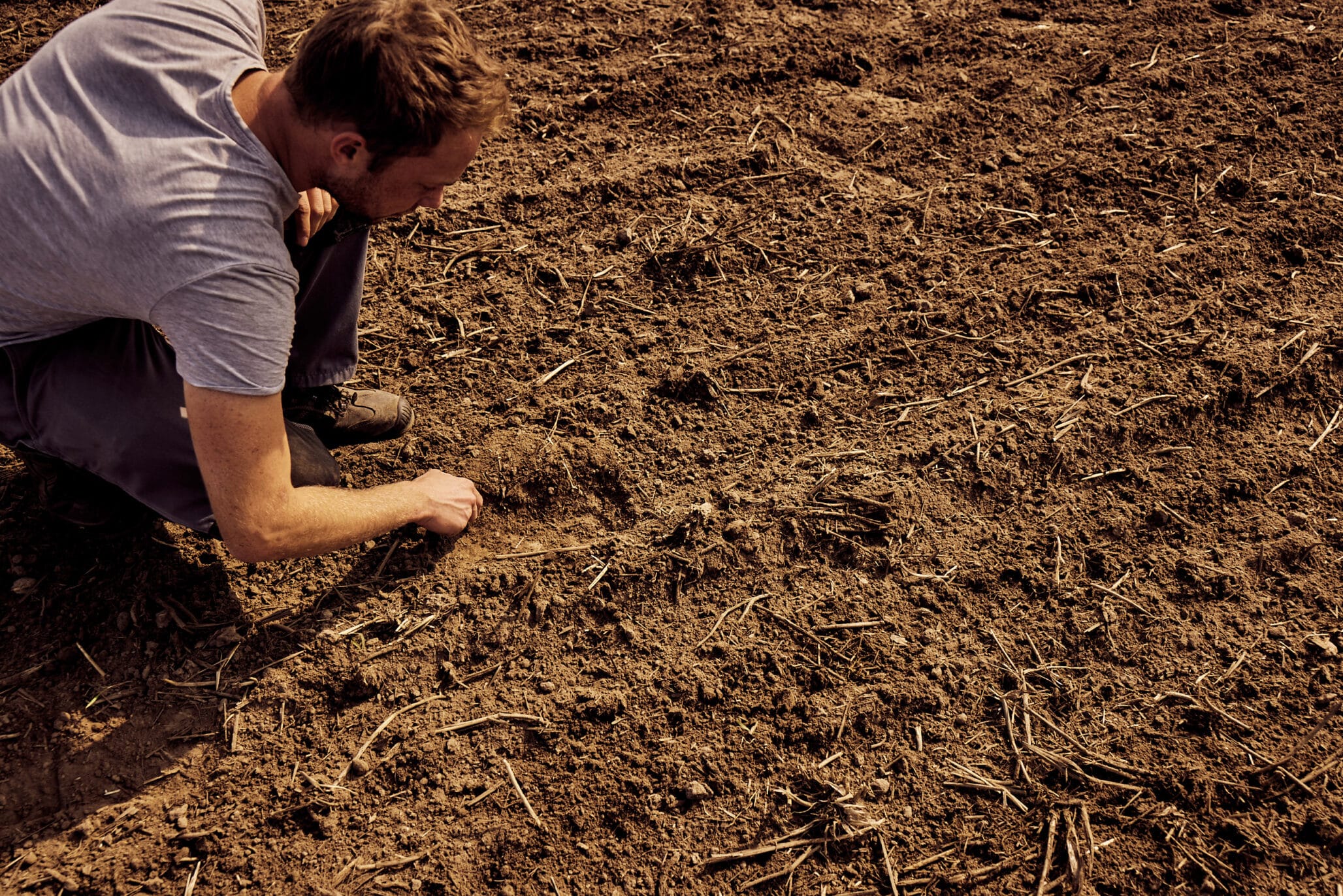
It only takes the thickness of a sheet of paper blown off an acre to equal one ton of lost topsoil. That image stuck with me. It’s one of the reasons I became interested in sustainability and cover cropping — not just as a good practice, but as a core strategy for protecting land, livelihoods, and the future of agriculture.
Cover crops reduce erosion, improve soil health, and promote biodiversity. They retain moisture, reduce compaction, and even help cut back on fertilizer and herbicide use over time. And while the environmental benefits are clear, there’s also a strong business case for them. Programs like EQIP (Environmental Quality Incentives Program) provide financial incentives, and for retailers, cover cropping can create sales opportunities in a traditionally quieter season.
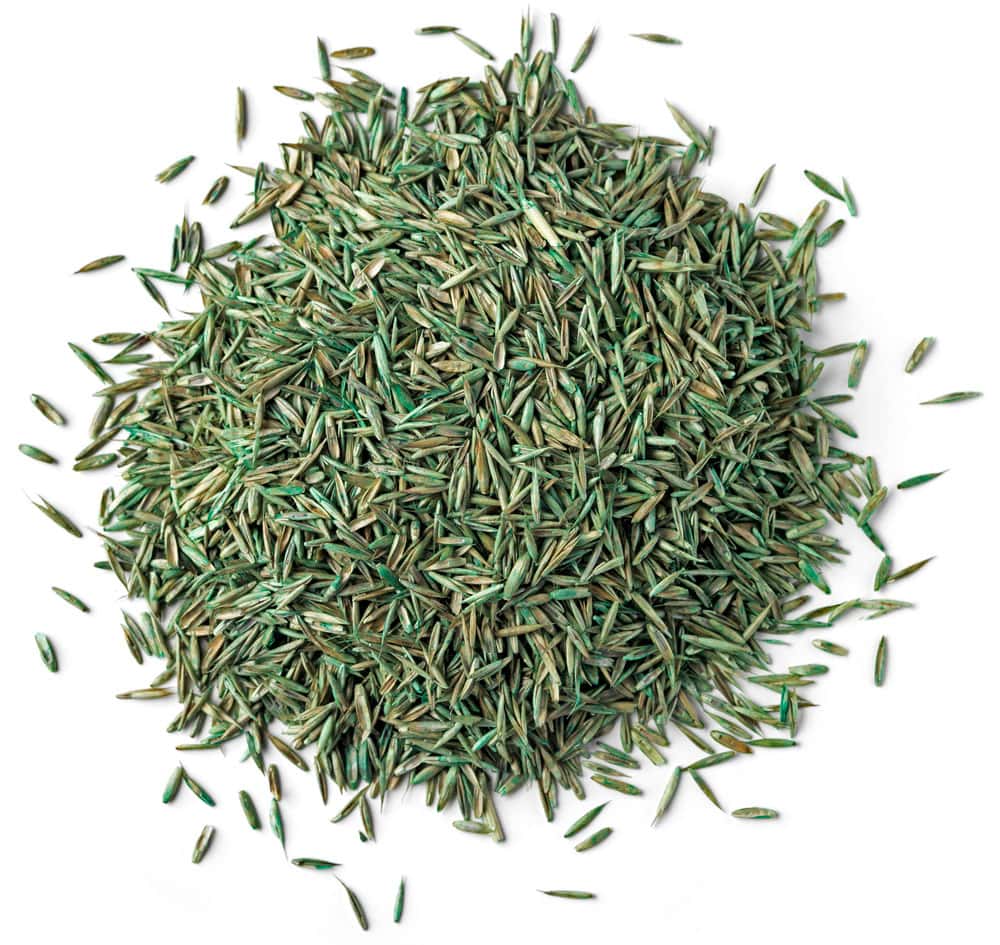
At Summit, we see cover cropping as one of the most promising intersections between sustainability and profitability. We’ve invested in research and innovation to support growers using blended species in their cover crop programs. The challenge with blends is getting different-sized seeds to spread evenly. Our uniform seed coating technology helps level the playing field — literally — so each seed type distributes more consistently in a single pass.
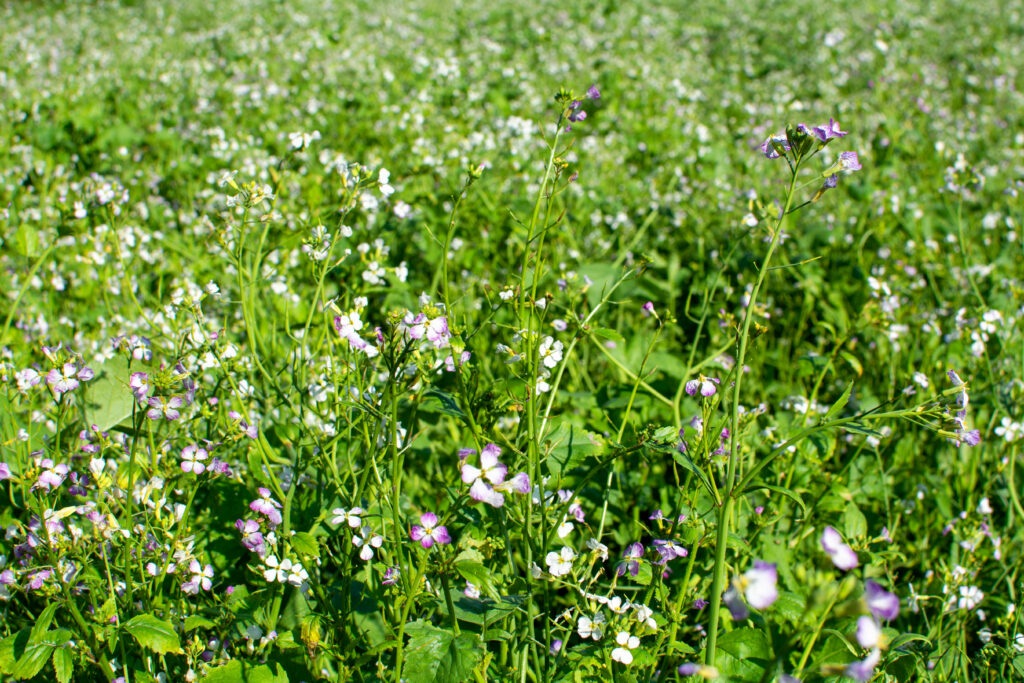
That has real-world impact. Fewer passes mean reduced fuel use, less soil compaction, and lower input costs. It also opens the door to more diverse mixes, including species like daikon radish that break up hardpan and naturally aerate the soil.
Personally, this isn’t just a professional interest — it’s a topic I care deeply about. It’s why I continue to research, attend sustainability conferences, and push our team to look for new ways Summit can support long-term stewardship and innovation in ag.
At the end of the day, we want to be more than just a seed coating company. We want to be a partner in building smarter, more sustainable systems that benefit both the environment and the grower’s bottom line.