Natural genetic variation fuels biodiversity and evolution, but the pace of evolution is far too slow to meet the urgent demands of a changing climate. To safeguard global food security, researchers are racing to identify DNA variants that can boost crop performance under stress — today, not millennia from now.
A new Nature Genetics study led by Dr. Thomas Hartwig and Dr. Julia Engelhorn (Max Planck Institute for Plant Breeding Research, Cologne; Heinrich Heine University Düsseldorf) unveils a scalable method to map genomic regulatory regions — often called “switches” for their role in controlling when and how strongly genes are expressed. While most research has focused on genes themselves, the study shows that many important trait differences stem from variations in these switches, which have long been difficult to study on a large scale.
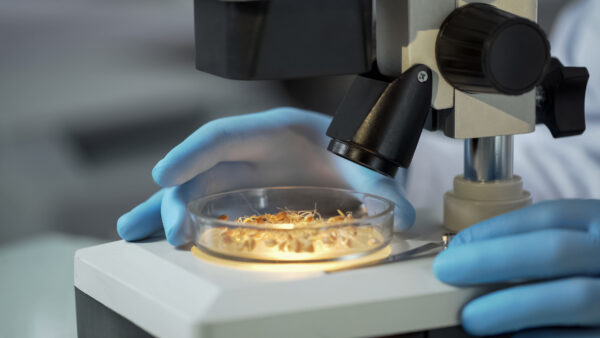
By analyzing 25 genetically diverse maize hybrids, the team identified more than 200,000 genomic regions where natural variation alters regulatory switches. These changes influence vital agronomic traits, including plant height, leaf shape, and resistance to drought and disease, according to a press release.
Although these regulatory switches account for less than 1% of the genome, variations at these sites often explain a substantial share of heritable trait differences — sometimes more than half. The findings open a promising path for plant breeders: harnessing regulatory DNA to fast-track the creation of high-performing, climate-resilient crop varieties.
“Understanding how these regulatory switches operate provides powerful new tools to enhance both crop resilience and yield — laying the foundation for smarter crops in the future,” Hartwig said.
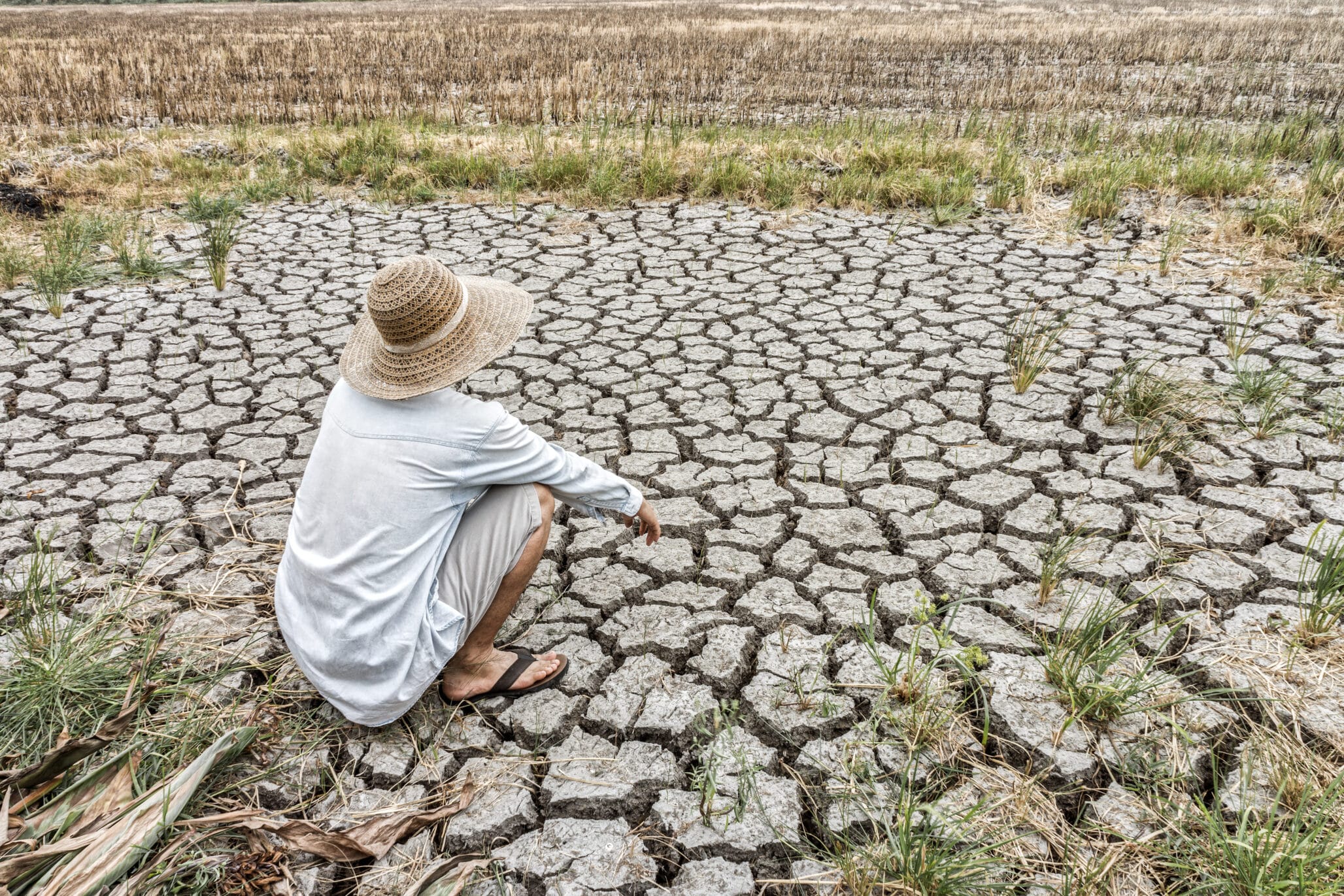
Focusing on drought stress, the team identified more than 3,500 regulatory switches and their associated genes that respond to water-limited conditions. This precise mapping opens the door to targeted manipulation of these switches, paving the way for crops with enhanced drought resilience.
“Our hybrid-based assay allows direct comparison of maternal and paternal regulatory alleles in a single experiment,” Engelhorn said. “We now offer the research community a resource of over 3,500 drought-linked regulatory sites — opening new possibilities to fine-tune gene expression for enhanced robustness.”
Co-author Samantha Snodgrass (University of California, Davis) underscores the shift in perspective: “Despite decades of revolutionary work on genome evolution, much of the non-coding genome remains a black box. This exciting new method pulls back the curtain — providing breeders and biologists with precise targets in regions previously overlooked.”
The study received support from a wide range of funding sources, including the CEPLAS Cluster of Excellence on Plant Sciences at HHU, which focuses on developing “SMART plants in dynamic environments,” and the European Horizon Europe project BOOSTER, aimed at enhancing drought resilience in cereals. Additional funding came from the German Research Foundation (DFG), the Alexander von Humboldt Foundation, the U.S. National Science Foundation, the U.S. Departments of Agriculture and Energy, the EU’s Seventh Framework Programme, and the Helmholtz Association.