Researchers and farmers are working together to better understand how the soil microbiome—the living, microbial component of soil — changes under different management practices. The effort could provide insight into how organic farming systems adapt to drought, pests, and other climate extremes.
Understanding the Soil Microbiome
To explain the complexity of soil life, Cornell University researcher Elias Bloom compares it to the human body. “The human body has more microbiome cells than it does human cells,” Bloom said during a recent eOrganic webinar. Just as a diverse human microbiome supports health, soils also depend on a wide range of microorganisms. A teaspoon of soil can hold more than one billion microbes representing over 10,000 species. These organisms influence water-holding capacity, disease resistance, and nutrient cycling, meaning farming practices can affect both current and future crops.
The soil microbiome is central to nutrient cycling, soil structure, and resilience to climate stress and pests. Microbes also break down pesticides, toxins, and excess nutrients. While high microbial diversity is often associated with pest suppression and resilience, increased diversity can sometimes correlate with higher levels of plant pathogens. Researchers continue to investigate which practices contribute to beneficial outcomes.
Farmer-Driven Research
The Casteel Lab at Cornell is leading the Organic Microbiome Project, one of the largest studies to date on organic soils. More than 80 organic farms are providing soil samples along with details of their management practices. The goal is to document changes in the soil microbiome and how those shifts may influence plant defenses.
“The conservation of soil microbes that promote pest management is a new and potentially groundbreaking area for organic agriculture,” project leaders noted in an Organic Farming Research Foundation news release.
The initiative takes a farmer-led approach by studying practices already in use, rather than imposing experimental treatments. Farmers are encouraged to send comparative samples from fields managed differently, creating a dataset that reflects real-world decisions.
Strip tillage is one of the practices being studied at Four Fold Farm, New York. Farmers select areas of interest for sampling, generating comparisons across management styles.
Connecting Soil and Seed
Another project, “Leveraging Soil Microbiomes to Promote Climate Change Resilience and Adoption of Organic Agriculture,” also funded by USDA/NIFA’s Organic Transitions Program, links soil microbiomes with organic seed breeding. Researchers are partnering with seed breeders to investigate how crops respond when bred under different environmental and soil conditions.
Findings so far suggest:
- Crops bred in local soils may show reduced pest pressure.
- Varieties selected in irrigated or protected environments performed less well during drought compared to those bred outdoors without irrigation.
- Soil microbiomes from certain farms appeared to provide added drought tolerance.
Voices from the Field
Steven Crist, farmer at Four Fold Farm and Hudson Valley Seed Company, participates in the project.
“The more we grow a crop, the better it becomes,” Crist said in the release.
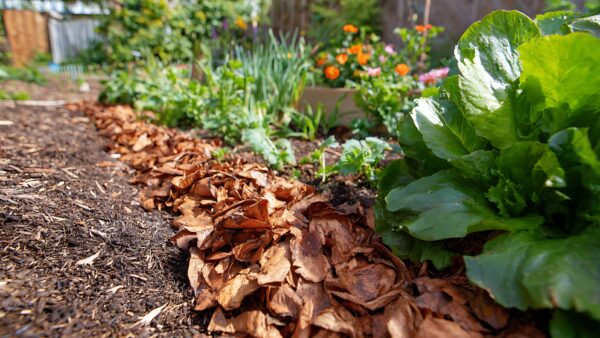
He attributes this to long-term adaptation in both the seed and the soil microbiome. His farm practices include mulching, composting, cover cropping, and crop rotation. Crist is also experimenting with biochar and planting local ecotypes of native plants, supported by a New York Carbon grant.
Lia Babitch of Turtle Tree Seed Initiative emphasizes the social and ecological ties in seed work. “The varieties that we carry have become like our children, and like our friends,” Babitch said. Turtle Tree connects buyers to regional seed origins through its catalog, offering farmers additional context when choosing varieties.
Echinacea at Four Fold Farm provides habitat for native insects and birds. Farmers are exploring whether such plantings also influence soil microbiomes.
Looking Ahead
Research into soil microbiomes and regional seed breeding continues to expand. As projects gather more data, they are expected to clarify which practices build resilience against climate challenges. The farmer-led structure ensures that results remain connected to on-the-ground realities, providing insights that can be shared across the organic farming community.