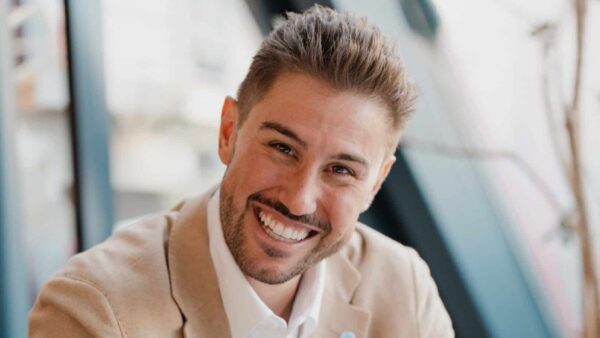
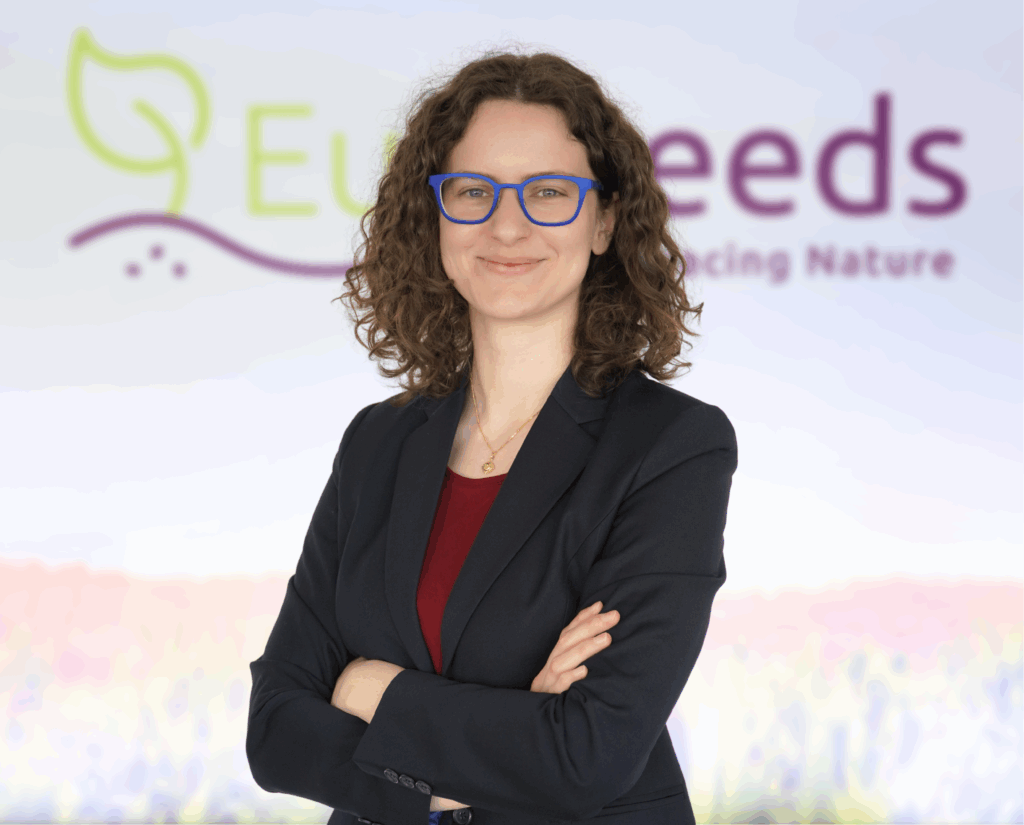
With expertise in food law and sustainability, Ambrogio helps Euroseeds bridge science, regulation and policy.
Seed World Europe (SWE): Given your experience in food law and sustainability, what strategies do you propose to enhance the integration of legal frameworks into research projects?
Yasmine Ambrogio (YA): A crucial approach is to integrate legal expertise at the earliest stages of research planning.Involving legal professionals from the beginning ensures that projects are both scientifically sound and compliant with relevant regulatory frameworks. This early collaboration enables researchers to understand what is currently permitted under EU law and to anticipate potential legal challenges or avenues for innovation.
Moreover, integrating legal analysis allows for a more balanced and interdisciplinary approach, especially in areas like plant science and biotechnology where regulatory considerations can significantly shape the feasibility and impact of research outcomes. Legal experts can help translate complex legislation into actionable guidance for scientists, while also contributing to policy recommendations grounded in real-world research.
Finally, fostering collaboration between legal scholars, scientists, and industry stakeholders, as I experienced in the GeneBEcon project, creates a feedback loop that strengthens both the scientific and regulatory dimensions of innovation. This kind of integration is essential for advancing sustainable and legally sound solutions in the plant and seed sectors.
SWE: Can you share insights on how Euroseeds can effectively contribute to Horizon Europe projects, particularly in terms of stakeholder engagement and policy impact?
YA: Euroseeds plays a vital role as both a bridge and the voice of the seed sector in Horizon Europe projects. Our strength lies in the close collaboration with our members, national associations and seed companies, who bring deep, practical knowledge of the sector. By actively involving them in project discussions, we ensure that their insights, needs, and concerns are reflected in the research agenda.
This bottom-up engagement allows us to provide realistic, industry-grounded input that helps shape project objectives. It also aids the outcomes of Horizon Europe projects, so that they are not only scientifically sound but also relevant and applicable to the seed industry.
Moreover, Euroseeds contributes to the policy impact of these projects by translating technical findings into policy-relevant messages and engaging with EU institutions and regulatory bodies. This helps bridge the gap between research and regulation, ensuring that innovation can move forward within a supportive legal framework.
In short, Euroseeds ensures that Horizon Europe projects are well-connected to the realities of the seed sector, while also amplifying their impact at policy level.
SWE: What sparked your interest in research and policy in the plant sector, and how did that path lead you to the seed sector?
YA: My interest in research and policy in the plant sector and the seed sector developed during my master’s studies in Food Quality and Safety at the University of Bayreuth. The program offered a unique combination of natural sciences and EU food law, which sparked my curiosity about how scientific innovation is translated into policy and practice.
This interest deepened while writing my master’s thesis at the Chair of Food Law at the University of Bayreuth, where I had the opportunity to explore the regulatory landscape of wine more closely. My involvement there led to an invitation to join the GeneBEcon project, where I worked on the regulatory aspects of new genomic techniques.
Through this project, I engaged with various consortium partners, including the Euroseeds team. This experience was eye-opening: it highlighted the crucial role that the seed industry plays in shaping and implementing policy. I came to appreciate how industry perspectives can enrich research projects and ensure that policy frameworks are both scientifically sound and practically viable. This is how I found my path into the seed sector, where science, policy, and innovation converge.
SWE: Here are some Quickfire questions:
- Coffee or tea? Coffee.
- What EU regulation do you secretly find fascinating? Plant reproductive material.
- Books or podcasts for staying informed? Seed World Europe of course!