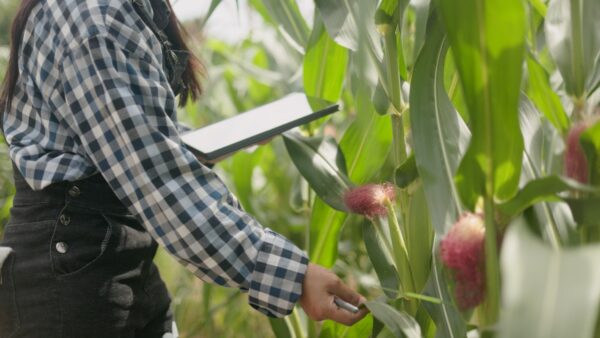
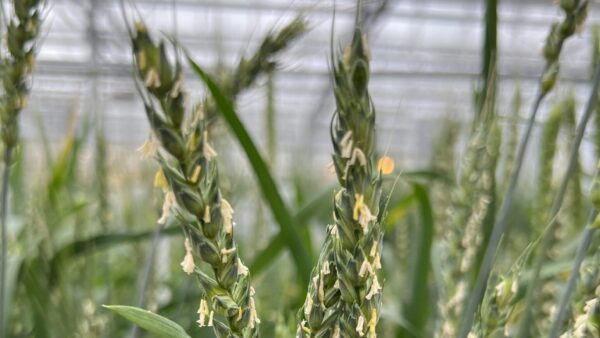
In Entre Ríos, corn cultivation is a key driver of the regional economy. Current production reaches approximately 2.1 million tons, while estimated demand stands at 3.1 million tons, highlighting a significant yield gap. Closing this gap is seen as a strategy to boost local production and enhance competitiveness.
As part of the Federal Innovation Project “Technological Contributions to the Sustainable Reduction of the Corn Production Gap in Entre Ríos”, a team from INTA Paraná, together with stakeholders from the agricultural and agro-industrial sectors, conducted participatory workshops in Gualeguay, La Paz, and General Ramírez. The goal was to estimate the yield gap and identify the main factors limiting production.
According to Paola Eclesia, INTA Paraná researcher and project lead, the approach combined technical analysis with a comprehensive understanding of the local territory, according to a press release.
“We wanted to understand not only the technical problems, but also the social, economic and logistical conditions that are influencing the productive gap.”
The survey results indicate that current average corn yields in Entre Ríos are around 6 tons per hectare, while the potential yield could reach up to 12 tons per hectare. Participants identified low soil fertility, high production costs, and inadequate rural infrastructure as key factors behind this gap.
According to Eclesia, the challenges differ across the province. In the north, soil type is a primary limitation. In the center-south, improving soil structure and fertility is the main focus. Meanwhile, in the Midwest, economic factors — including access to financing and input costs — are the predominant constraints.
“Each area has its particularities, but there are common points that allow us to think about provincial-scale solutions,” Eclesia said. In this sense, the need to renew machinery, optimize logistics and promote a more efficient use of available resources was highlighted.
The participation of the industrial sector provided a complementary view on the quality of the grain, the scarce local supply of corn and the limitations in marketing. Problems associated with the lack of storage capacity were also mentioned, which in some cases favors the sending of production to port before its use at the regional level.
“We detected a disconnection between what can be produced and what the industry needs,” Eclesia said. “Integrating all the actors of the chain was key to visualizing other types of problems, not only the productive ones.”
The study’s findings will provide a foundation for developing intervention strategies at both regional and provincial levels. “These workshops offered a roadmap built from the territory. They represent a first step toward a more efficient, sustainable, and coordinated corn production system with the industry,” said Eclesia.
Recommendations for Progress
Beyond the challenges, the study highlighted several opportunities to boost yields. Key strategies include improving nutrient management and soil care, increasing the adoption of precision agriculture technologies, promoting targeted financing programs for corn, and fostering partnerships between producers and industry to create added local value.
“One of the recommendations to move forward in reducing the corn gap in Entre Ríos has to do with agronomic management, that is, adjusting fertilization according to soil analysis and improving crop rotation. In addition, a key aspect is the infrastructure, which requires investing in rural roads and collection centers to avoid losses and facilitate logistics,” he explained.
On the other hand, Eclesia indicated that the articulation is essential to promote agreements between producers, cooperatives and industries that guarantee greater commercial stability and better use of local corn.
“This joint work opens up new possibilities to transform the corn production system in Entre Ríos, betting on greater efficiency, profitability and sustainable regional development,” Eclesia concluded.