Most Swedish consumers view new crops developed through crossbreeding in a positive light, according to a new survey from the Swedish University of Agricultural Sciences (SLU). The results challenge the common perception that consumers are generally sceptical about plant breeding.
The findings surprised researchers, who have seen in earlier international studies that people often react negatively to genetic modification in crops — an attitude that can give the impression of broad resistance to plant breeding as a whole.
“More Swedish consumers than we expected are positive about using crossbreeding between modern and traditional crop varieties to improve product quality,” says Eva Johansson, professor at SLU and one of the study’s authors.
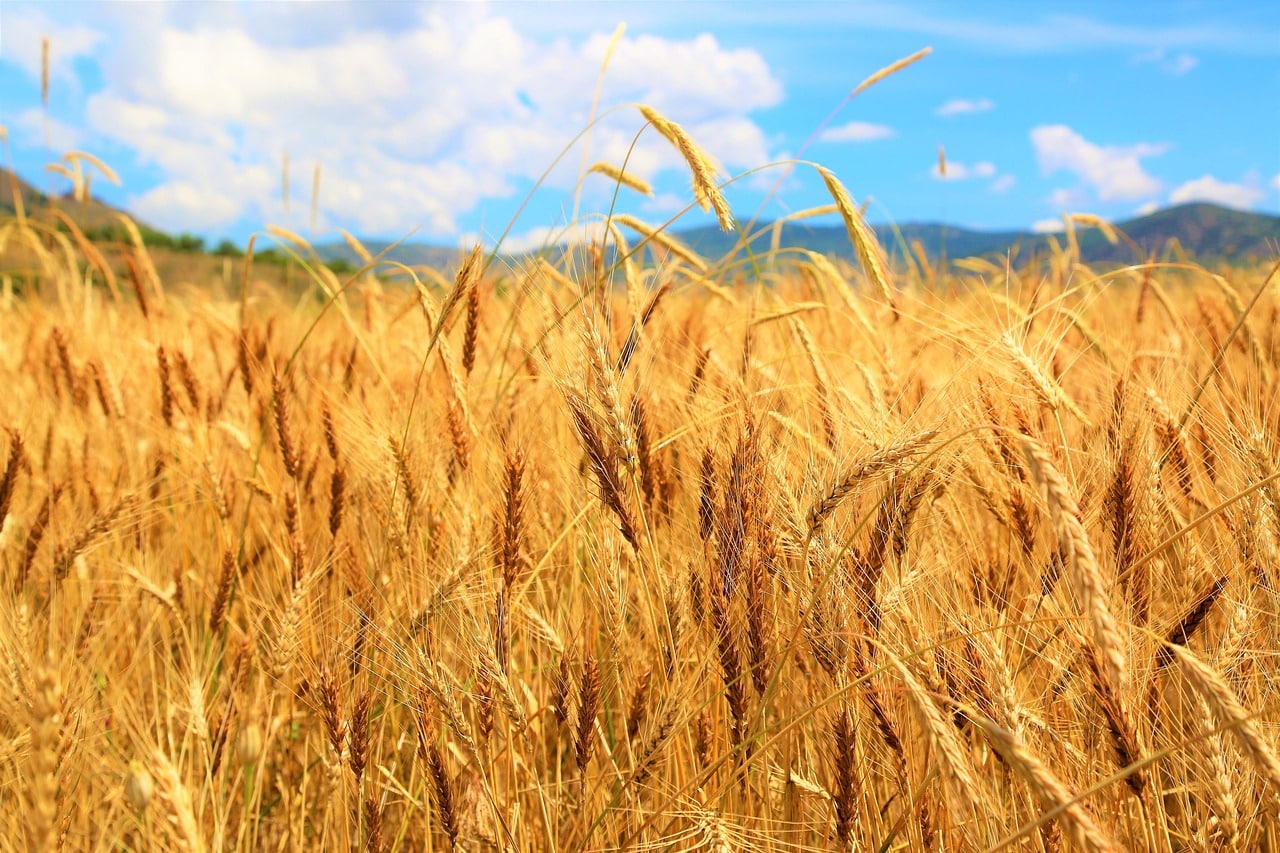
The survey asked 999 participants to share their views on crossbreeding ancient and modern wheat. Respondents rated how they perceived such cereals in terms of taste, health, safety, usefulness, and other traits. Historical cereal varieties often carry associations of naturalness, authenticity, and tradition, which some thought could clash with modern breeding techniques. Instead, respondents felt that combining the two adds value — 88% highlighted at least one positive trait.
The study also found that knowledge of cereal varieties increased with age and education. Negative attitudes toward plant breeding, sometimes linked to neophobia (fear of the new), were more common among women and those with lower levels of education, according to a press release.
Interestingly, most people still associate plant breeding with higher yields, disease resistance, and climate resilience, rather than taste, aroma, or nutrition. Johansson notes that this shows the potential to better communicate the benefits of breeding for quality.
By blending the high yields of modern varieties with the flavour and nutritional diversity of older wheat, researchers believe plant breeding could support both food security and gastronomy. Importantly, the survey suggests consumer attitudes are not a barrier to this development.
The study, conducted within the SLU Grogrund programme, was carried out in collaboration with Kristianstad University and the University of Copenhagen and funded by the Swedish Research Council for Sustainable Development (Formas).