Vertical farming offers a promising solution for securing food production amid climate change — but can it truly replace traditional field crops sustainably? A new study led by the University of Surrey finds that while vertical farms dramatically increase lettuce yields and use far less water, their carbon footprint still exceeds that of field-grown lettuce, highlighting the challenge of balancing food security with environmental responsibility in the UK.
Published in Food and Energy Security, the study is believed to be the first to fully account for soil emissions from field farming while comparing them to crops grown in a commercial vertical farm in the UK. Researchers analysed two UK farms — one on mineral soil and one on peat — and a farm in Spain, then compared these with a vertical farm supplying UK lettuce.
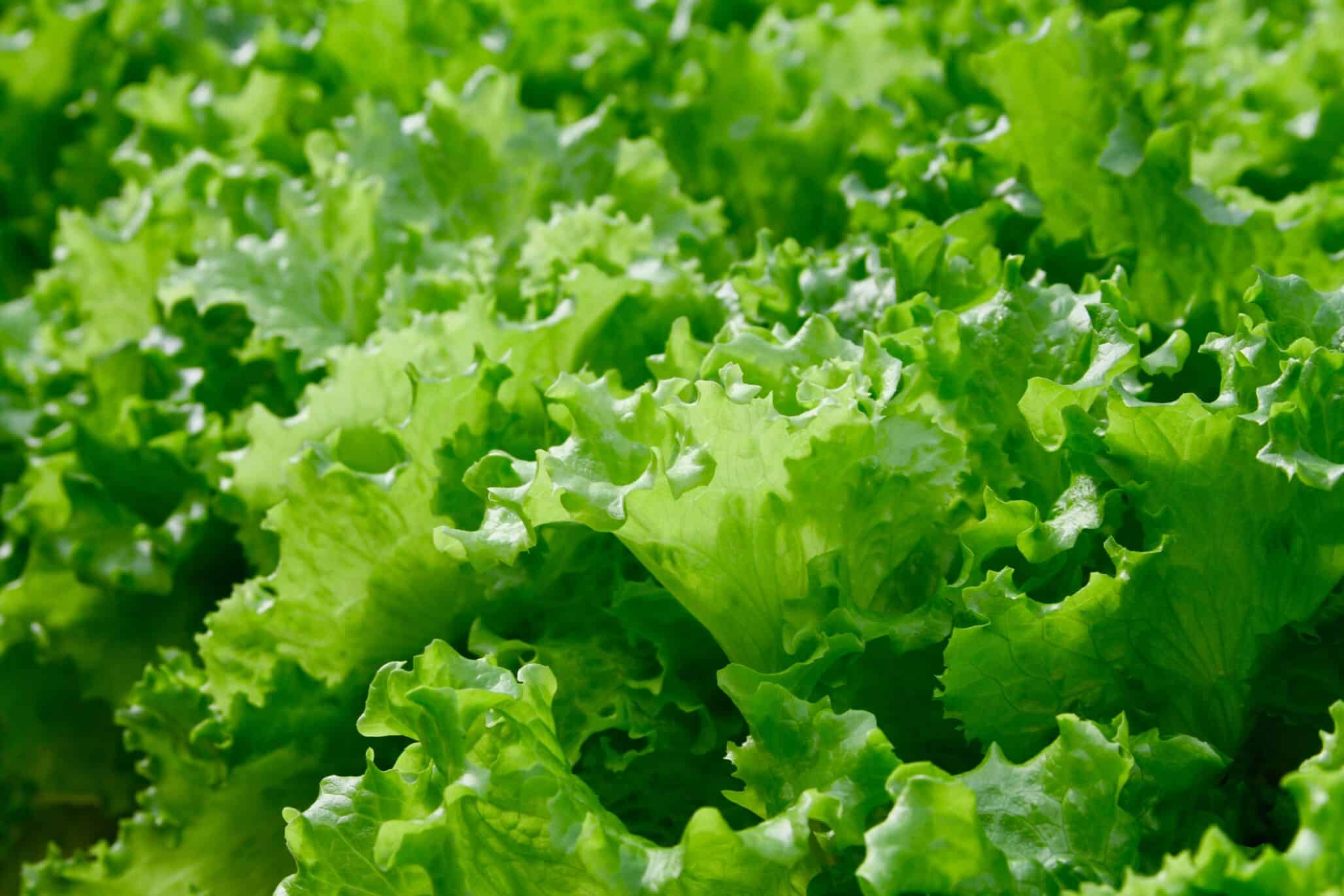
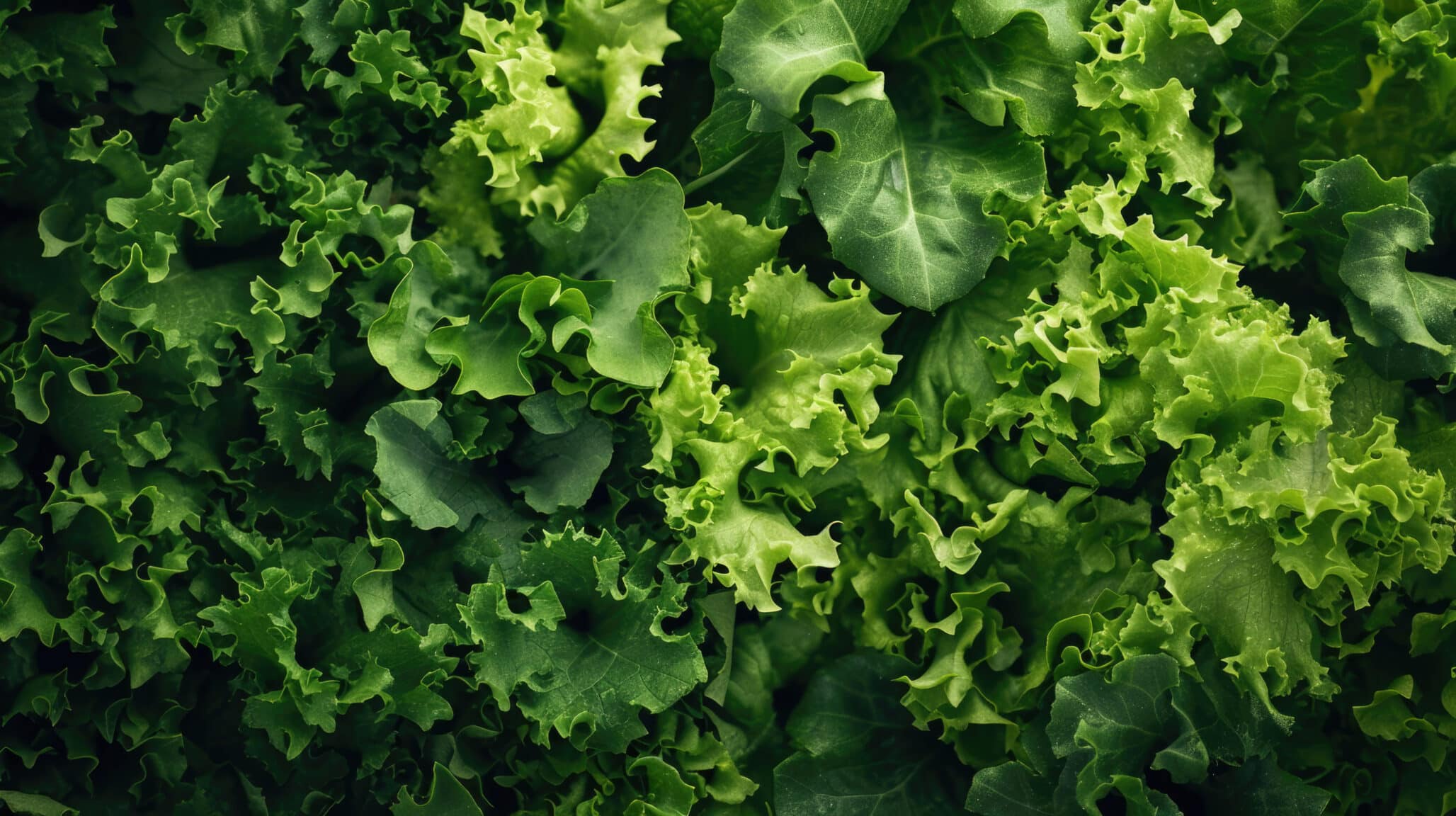
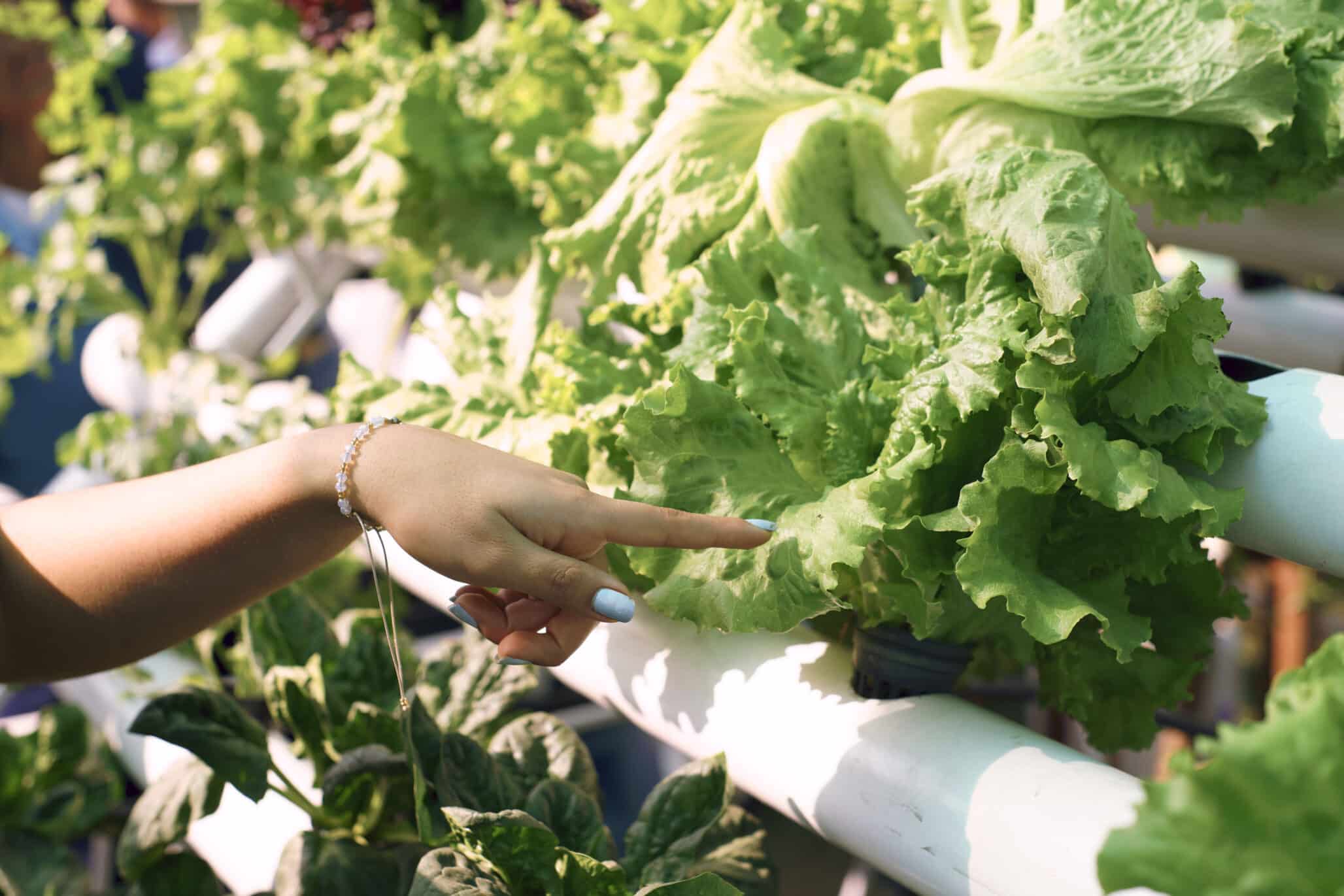
The results were striking. Vertical farms produced more than 20 times the yield of field farms — about 97 kg per square metre versus 3.3 kg. Water use was also significantly lower, around eight times less than Spanish land farms, which face high irrigation demands (0.9 m³/kg lettuce in vertical farms versus up to 7.3 m³/kg in Spain).
Yet greenhouse gas emissions remained higher for vertical farming. Even when powered by renewable electricity, vertically grown lettuce generated roughly 0.93 kg of greenhouse gases per kilogram, compared with 0.57 kg for UK field-grown lettuce, according to a press release.
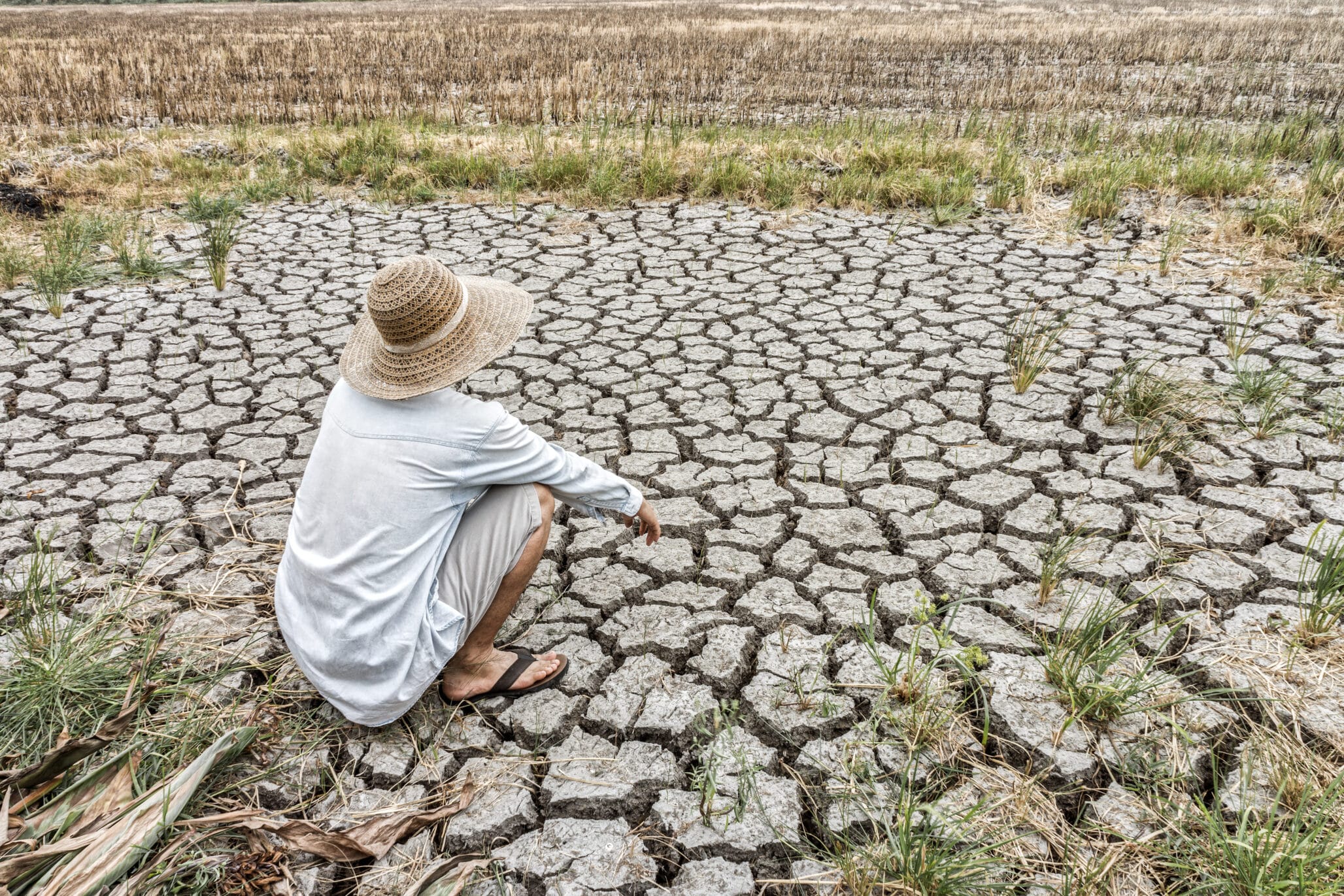
“Vertical farming has the potential to transform food security in the UK, particularly as climate change and seasonal drought place growing pressure on traditional agriculture,” said Michael Gargaro, Postgraduate Researcher at the University of Surrey’s Centre for Environment and Sustainability and lead author of the study.
“Our research shows that while the technology can bring far higher yields and reduce water use, it currently comes with a higher carbon cost. The challenge now is to make vertical farming more energy-efficient and better integrated with renewable systems, so that it can become a truly sustainable solution.”
Much of the carbon footprint comes from the high energy demands of vertical farming and the use of jute fibre plugs — blocks made from jute stems that support plant growth instead of soil. Researchers found that replacing jute with alternative materials like coconut coir could reduce the land footprint of vertical farms by more than 95%, highlighting a clear opportunity to lower their environmental impact.
“With around 95% of lettuce imported from Spain during the winter months, advances in novel vertical farming technology have made it possible to secure a year-round supply of fresh produce while freeing up land for restoration, such as peatland and woodland,” said Dr. Zoe M Harris, Director of the University of Surrey’s Centre for Environment and Sustainability, Co-Director of the Institute for Sustainability and co-author of the study.
“But to viably compete with field farming, vertical farms must cut their energy use and rethink the materials they rely on.”
The research highlights that while vertical farming is not yet the most sustainable option for lettuce production, innovations in energy and materials could make it a crucial part of future food security in the UK, particularly as climate change and water scarcity threaten traditional growing regions like Spain.
The study was funded by the Biotechnology and Biological Sciences Research Council (BBSRC) and the Engineering and Physical Sciences Research Council (EPSRC).