
As harvest winds down, the pace in our Seed Quality Testing Lab ramps up. Every fall, corn and soybean samples flood in as companies and farmers prepare for spring planting. The results we generate influence everything from seed marketing strategies to field performance, which is why accuracy, consistency, and communication are critical this time of year.
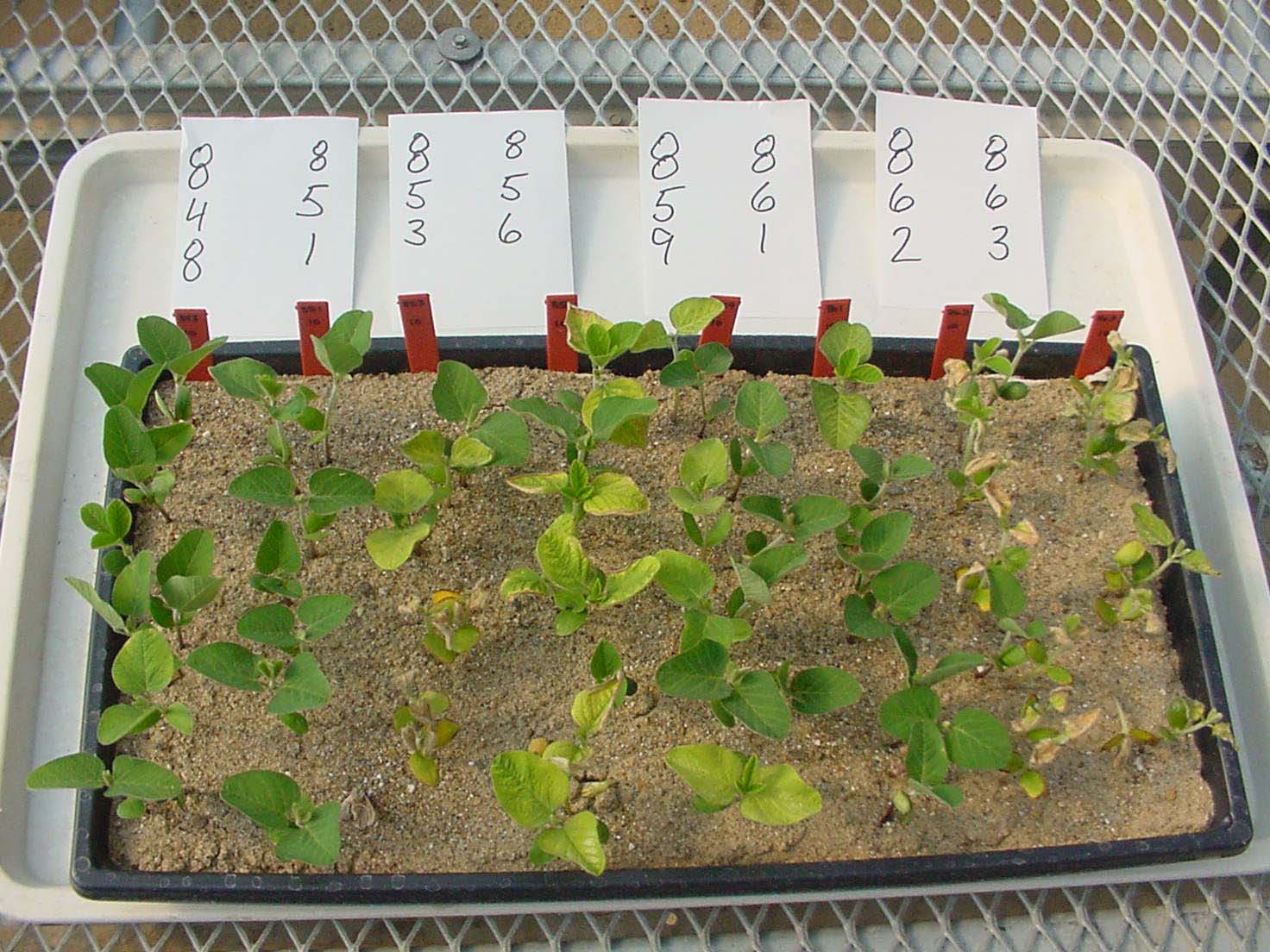
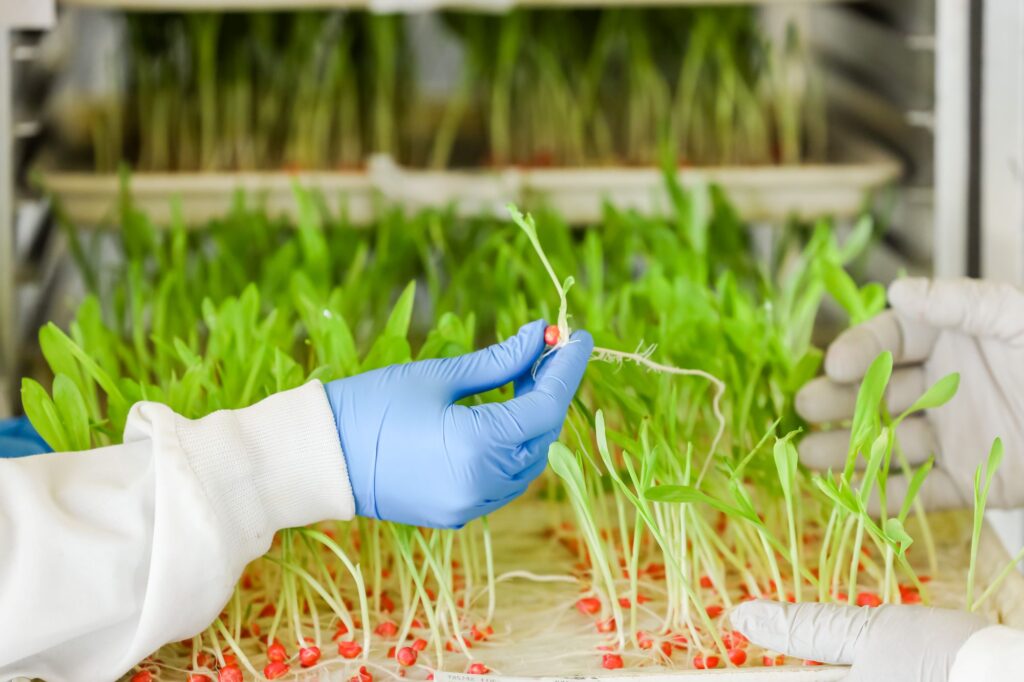
In our lab, we run a range of tests that reflect different aspects of seed quality: germination, physical purity, and trait presence, including GMO detection. For corn and soybeans, purity analysis is usually completed within 24 hours after we receive a sample. Germination and trait tests are planted within 48 hours, and results are typically ready in about a week. Other crops may take longer depending on temperature requirements and workload, but every client has access to CySeed Online, which provides real-time tracking and immediate results before the official report is sent.
The biggest bottleneck isn’t the seed, it’s the paperwork. Handwritten forms and long lot numbers are easy places for errors. That’s why we encourage customers to use our downloadable e-transfer Excel sheet. When data comes in digitally, we can load it directly into our system, saving time and reducing mistakes. Another common issue is not sending enough seed. For corn and soybeans with purity and noxious exams, we need at least 500 grams per test, but sending a kilogram ensures we have enough for proper mixing and dividing.
Timing is equally important. Getting results early gives companies time to make marketing decisions or adjust cleaning and conditioning before sales and planting. Germination tests are valid for nine months under the Federal Seed Act, but many states require fresher data, six months or less for crops like soybeans that deteriorate quickly in storage. Submitting samples late rarely affects accuracy, but it may impact turnaround if smaller germinators reach capacity. In my 15 years here, we’ve never delayed corn or soybeans, but specialty crops are more vulnerable to bottlenecks.
Maintaining consistent results across thousands of samples is no small task. Every analyst in our lab participates in referee and proficiency tests, ensuring our evaluations match national standards. We’ve held ISO 9001 certification since 2007 and are now pursuing ISO 17025 accreditation, building on years of meticulous documentation and quality control.
At peak season, our lab feels like a kitchen during the dinner rush—samples flowing in, everyone hustling to keep pace, and teamwork carrying us through. We’ll even work weekends, fueled by pizza, to ensure results go out on time. What makes it worthwhile are the moments of wonder: a mottled lima bean, a quadruple embryo on a corn seedling, or the chatter of technicians marveling at what they see under the lights. The lab is a place where inert seeds come to life, and that magic never gets old.
Looking ahead, we’re expanding our offerings. Our trait lab is developing PCR-based protocols for non-GMO and trait presence testing, and we welcome input from customers about which new services are most valuable. My advice, whether you’re a first-time or seasoned client, is simple: don’t hesitate to reach out. We believe you can’t overcommunicate. Our job is to ensure that the tiny sample you send represents the full value of your crop, and that you can plant or sell it with confidence.
Follow the ISU Seed Science Center: