The leadership conversation in agriculture has shifted. It’s no longer surprising that executive talent is in short supply — organizations are feeling the impact daily. The real question now is: What comes next
The companies shaping the future of ag aren’t just filling roles. They’re building leadership teams with the right mix of capability, cohesion and vision, and making talent a core part of business strategy. It’s not just about who leads, but how leadership is structured for long-term success.
Why Leadership Belongs in Business Strategy
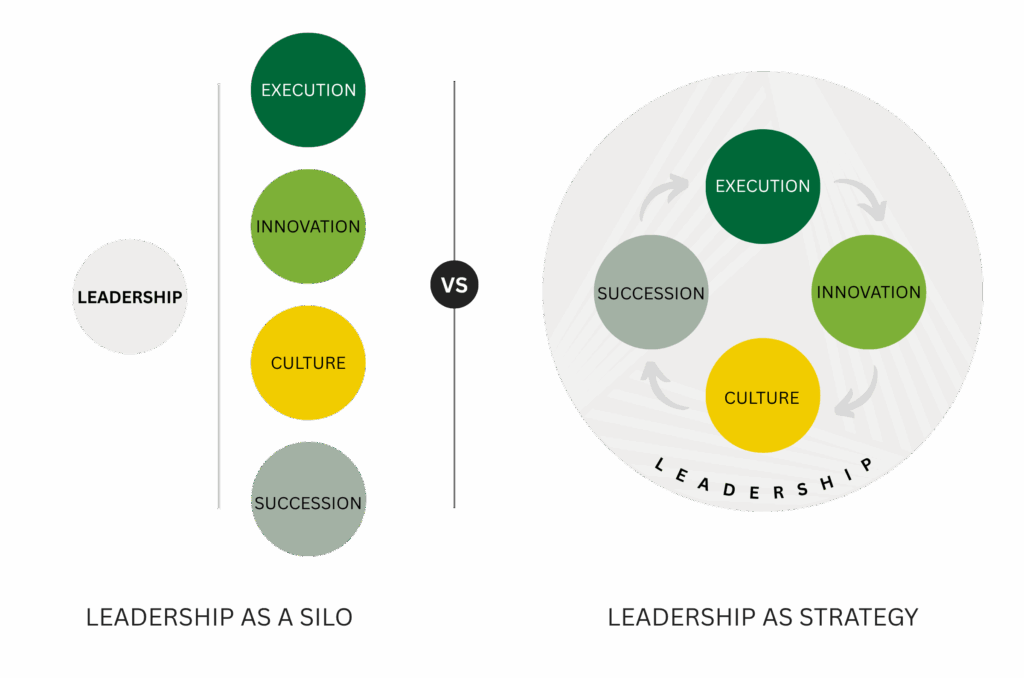
Executive talent drives operational execution, innovation, culture and succession. Yet too often, talent planning remains disconnected from broader strategy, costing companies agility and performance.
Organizations that treat leadership as a strategic asset, integrating it into boardroom conversations and growth plans, consistently outperform their peers. Leadership is too important to leave on autopilot.
Aligned Teams Drive Results
Today’s most effective leadership teams aren’t built around individual stars. They’re built for alignment: collaboration, complementary strengths, and shared priorities.
Even experienced executives can slow progress if their goals or working styles clash. Misalignment at the top leads to poor decisions and lost momentum. The goal isn’t just to hire great leaders, it’s to build teams that lead well together because, like professional sports teams, even the most talented individuals won’t win championships without a shared culture of leadership and cohesion.
The Role of Leadership Assessment
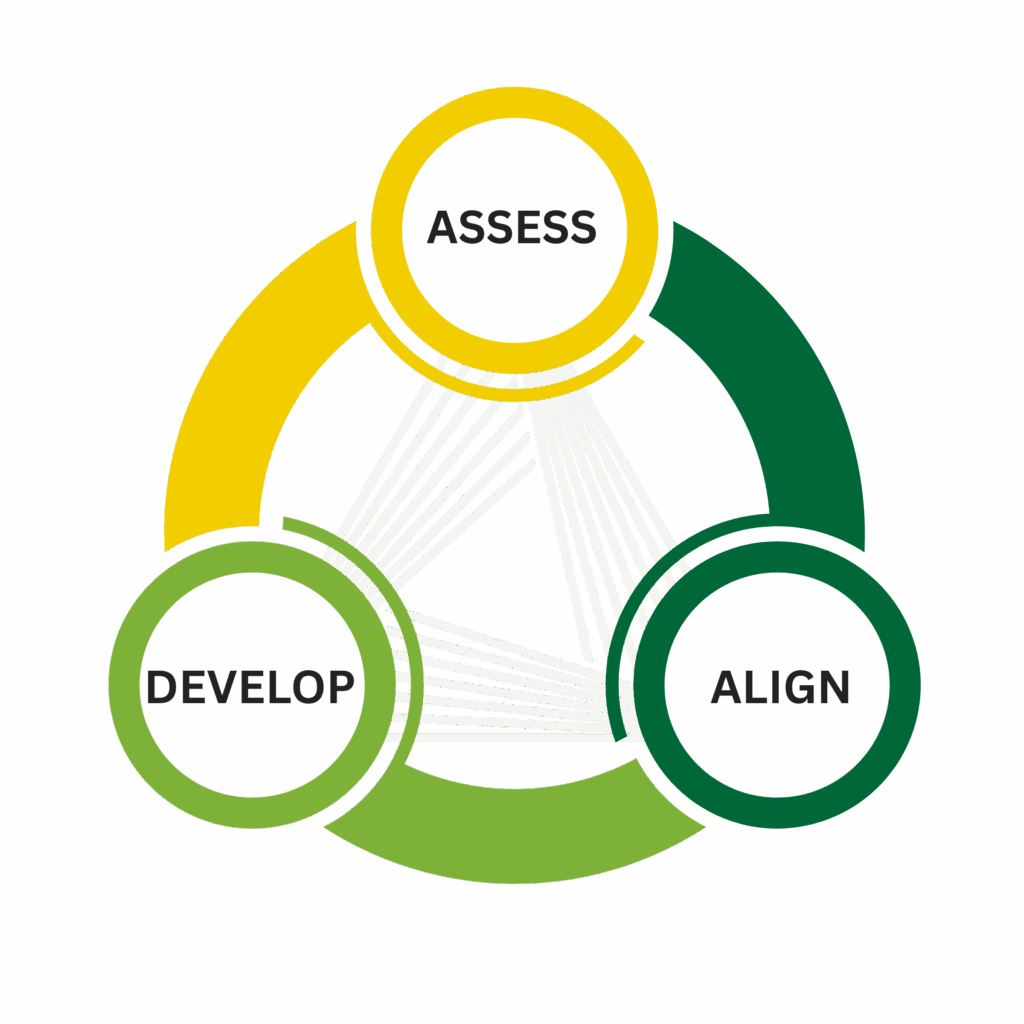
The most successful companies start by assessing what they have and then determine the skill sets needed that align with their vision. Leadership assessments bring clarity. These diagnostic tools uncover team strengths, gaps, and dynamics, helping answer key questions:
- Do we have the right mix of strategy, execution, and influence?
- Where are collaboration or communication breaking down?
- Which behaviors support or undermine team performance?
Armed with this insight, companies can make smarter decisions about succession, development, team structure, and culture.
The Measurable Impact of Leadership Assessments
Major transitions — whether growth, succession, or transformation — are high-stakes. According to McKinsey, 55% of a transformation’s value loss occurs during and after implementation, often due to leadership misalignment or lack of accountability.
Leadership assessments help mitigate this risk by providing clarity around team dynamics, decision-making styles, and leadership gaps. When used strategically, they:
- Align teams before and during major transitions
- Accelerate onboarding and execution
- Improve succession and promotion decisions
- Strengthen communication and cohesion at the top
In short, assessments create the visibility organizations need to protect value and drive performance, especially when it matters most.
A Living, Strategic System
Leadership assessments shouldn’t just happen when a role opens; they’re a strategic tool for building stronger teams, shaping better decisions, and driving sustained success. Like margins or machinery, leadership requires ongoing attention and investment. Closing the leadership gap in agriculture will require intentional strategy and tools that turn insight into action, not reactive hiring.
For over 40 years, Kincannon & Reed has worked exclusively in food and agriculture, helping organizations identify, recruit, and support the leaders who will shape the industry’s future. If you’re thinking about your leadership needs, we welcome the conversation.
Aaron Locker, K&R Managing Director, alocker@krsearch.com | 1-302-354-5709