Beneath our feet lies a complex network of channels and cavities that keeps soil alive and functioning. Researchers at Rothamsted have now developed a simple, field-ready test to show how these pore networks shift under different farming systems — and why those changes matter.
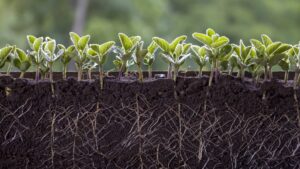
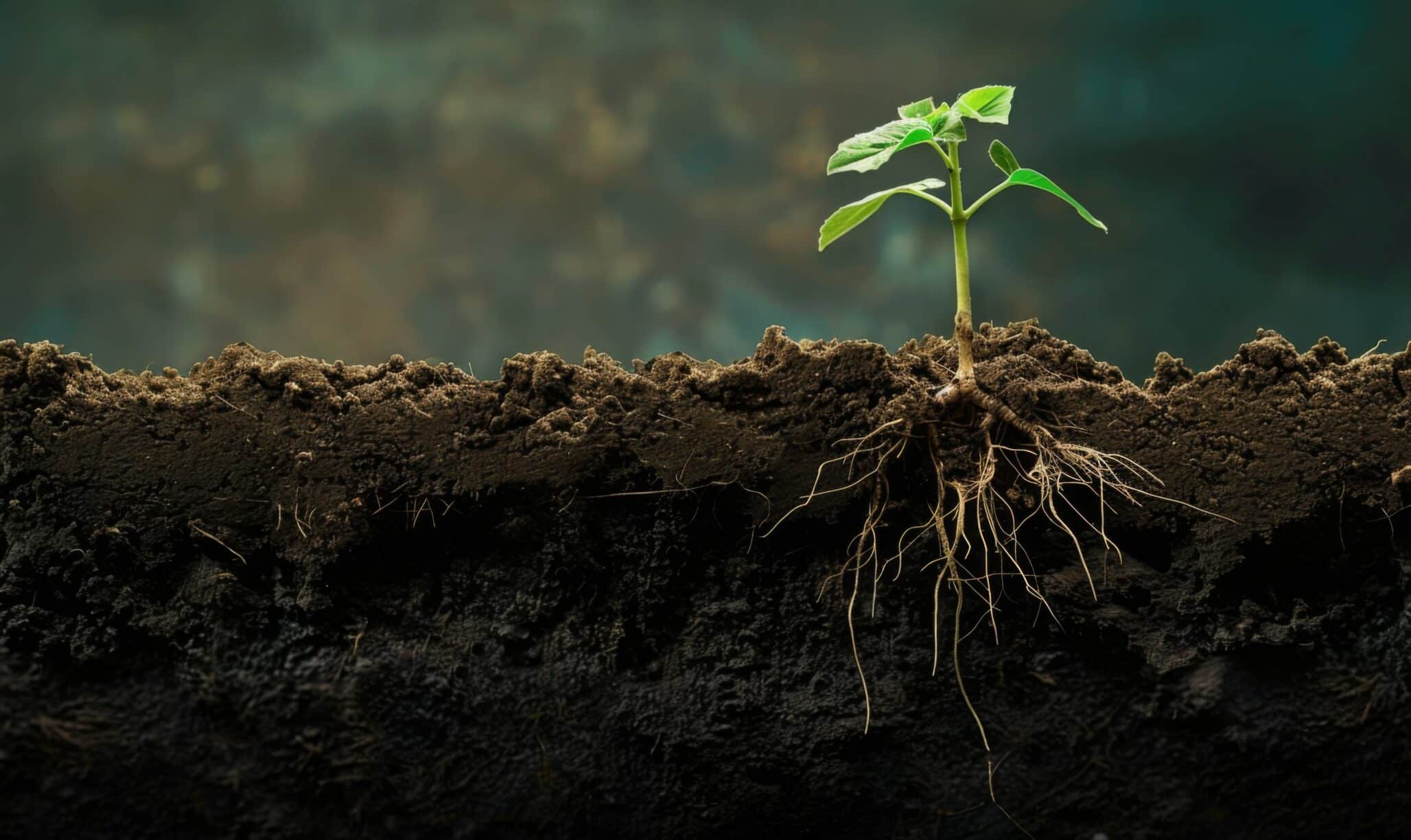
The work focuses on macropores — the larger openings created by roots, worms, and natural cracking. These pores do more than help water drain; they regulate how air and nutrients move through the soil, influencing the microbial activity that underpins soil health.
Until now, detailed study of macropores required expensive lab-based imaging. The Rothamsted team refined an infiltration test to detect the point when the largest pores begin to empty. By comparing field data with high-resolution X-ray scans and direct soil respiration measurements, they demonstrated that the new method accurately captures key differences in soil structure and function.
Findings from the long-running Highfield experiment showed striking differences. Grassland soils, rich in macropores, sustained consistently higher microbial respiration than arable or bare fallow soils — even though all three had a similar overall ability to transmit water, according to a press release.
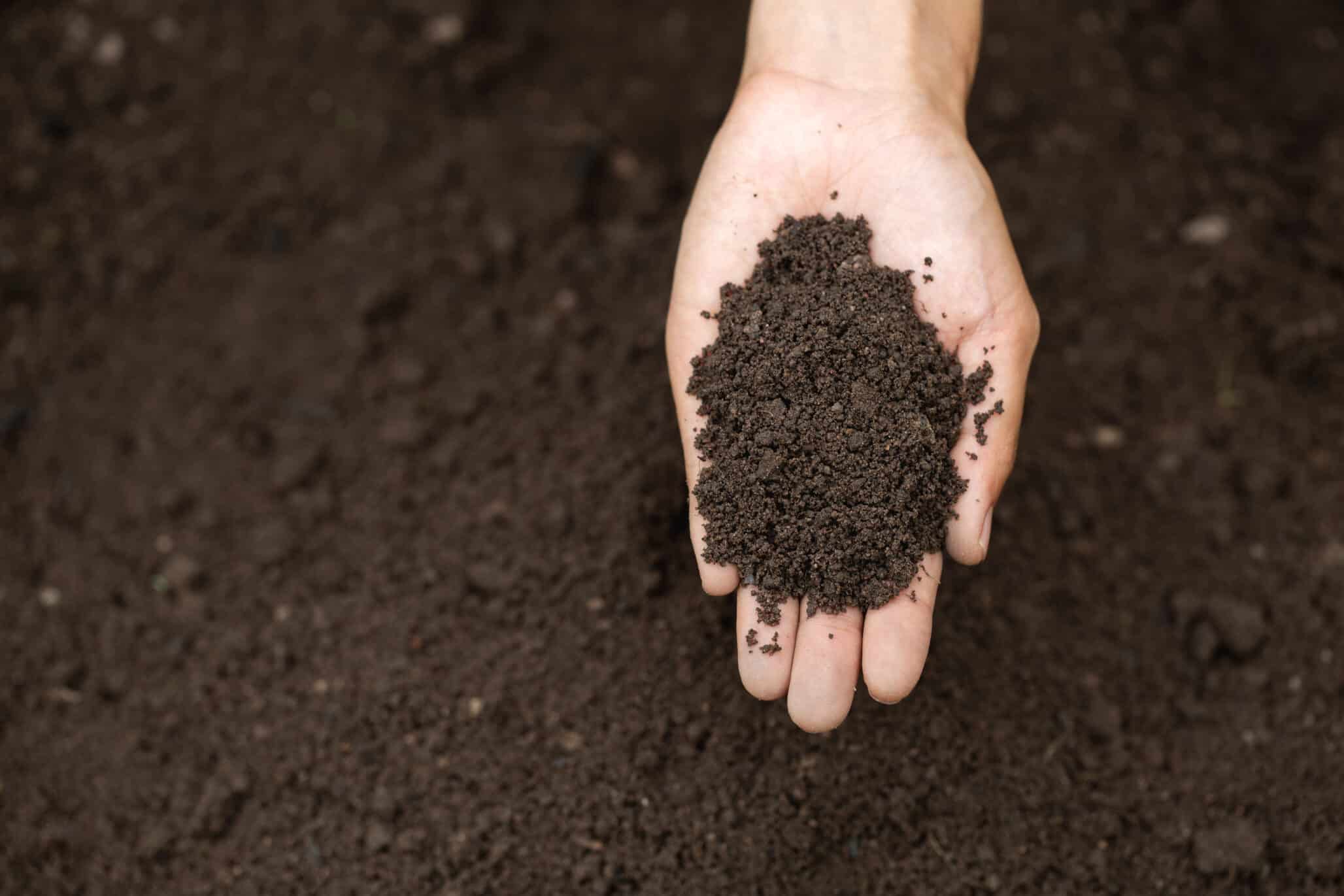
“We often think of soil as solid but in reality, it’s more like a sponge full of passages and chambers,” lead author Dr William Rickard said. “These pores are where roots grow, microbes breathe, and water moves. For the first time, we have a straightforward field method that links this hidden structure directly to how soils function. That means we can track the fingerprints of land management on soil health directly in the field.”
Because the test is simple and easily used in the field, it could complement advanced imaging techniques and help track how farming practices alter soil structure over time. Beyond research, it offers a practical way to view soil not as inert ground beneath us, but as a living system whose architecture supports both food production and environmental resilience.