Scientists have uncovered how one of the world’s most destructive plant diseases evades crop defenses — a breakthrough that could lead to hardier, more resilient plants.
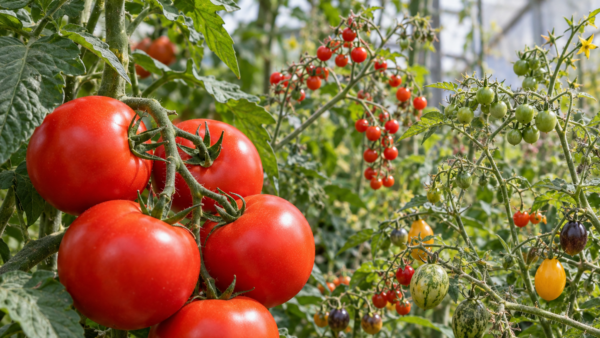
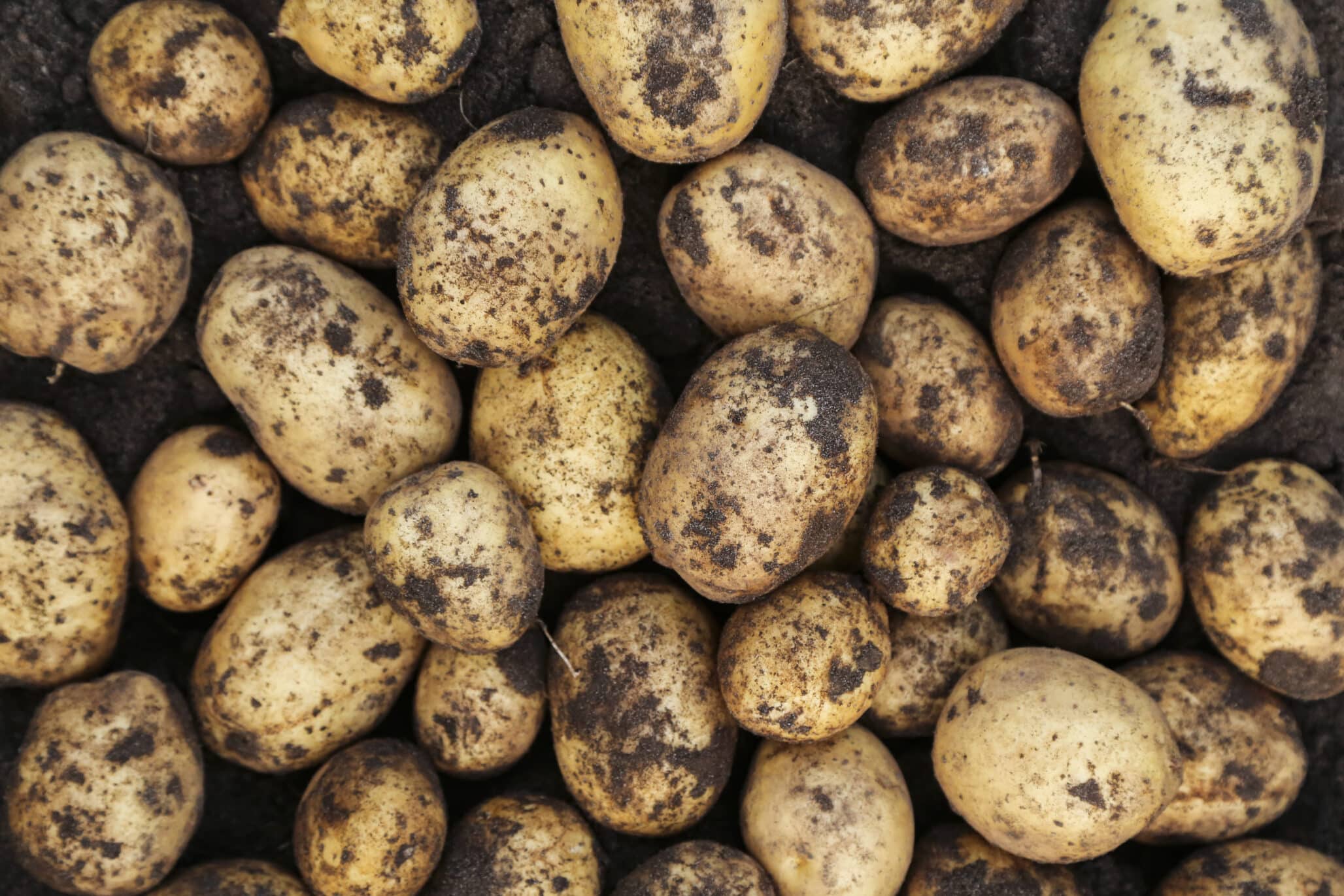
In a study published in Nature Communications, researchers describe a group of enzymes produced by Phytophthora infestans, the notorious microorganism responsible for the Irish potato famine and an ongoing global threat to potato and tomato crops.
The international team — comprising biologists and chemists from the University of York, The James Hutton Institute, and Université Libre de Bruxelles — found that the pathogen uses specialized enzymes known as AA7 oxidases to sabotage plants’ early warning systems, weakening their ability to fight back before the infection takes hold.
Crucially, the scientists demonstrated that disabling the genes responsible for these enzymes completely prevented the pathogen from infecting its host, according to a press release.
“It’s like burglars cutting the wires to your home alarm before breaking in,” Dr Federico Sabbadin, from the Biology Department’s Centre for Novel Agricultural Products (CNAP), said. “The trick is that the pathogen has evolved the same kind of enzyme activity that plants themselves use to keep their alarm signals under control.
“By attacking these alarm molecules, the pathogen switches them off before the plant can react – it’s as if the microbe has learned the plant’s own language and uses it against it. When we disabled the genes for these enzymes, the microbes became much weaker at infecting plants.”
As climate change drives more extreme weather and disrupts agricultural systems, crops are becoming increasingly vulnerable to pests and disease. With global food demand climbing, each failed harvest intensifies the threat of shortages and rising prices.
By revealing this previously unknown microbial tactic, scientists have paved the way for innovative methods to protect crops. Targeting and blocking the AA7 enzymes could help keep plants’ natural defenses active, enabling farmers to preserve yields in an increasingly unpredictable climate.
Dr Stephen Whisson, from The James Hutton Institute, said: “We need better strategies for protecting our food if we are to secure global food supplies in the future, and so this latest discovery is a real step forward in doing that. These enzymes are conserved across major plant pathogens, and their discovery paves the way for powerful new strategies in crop protection.”
The research is part of the project “Berberine bridge enzyme-like proteins as key virulence factors in plant pathogens” running from 2024 to 2027, and is supported with a £870k grant from the Biotechnology and Biological Sciences Research Council, part of UK Research and Innovation (UKRI).