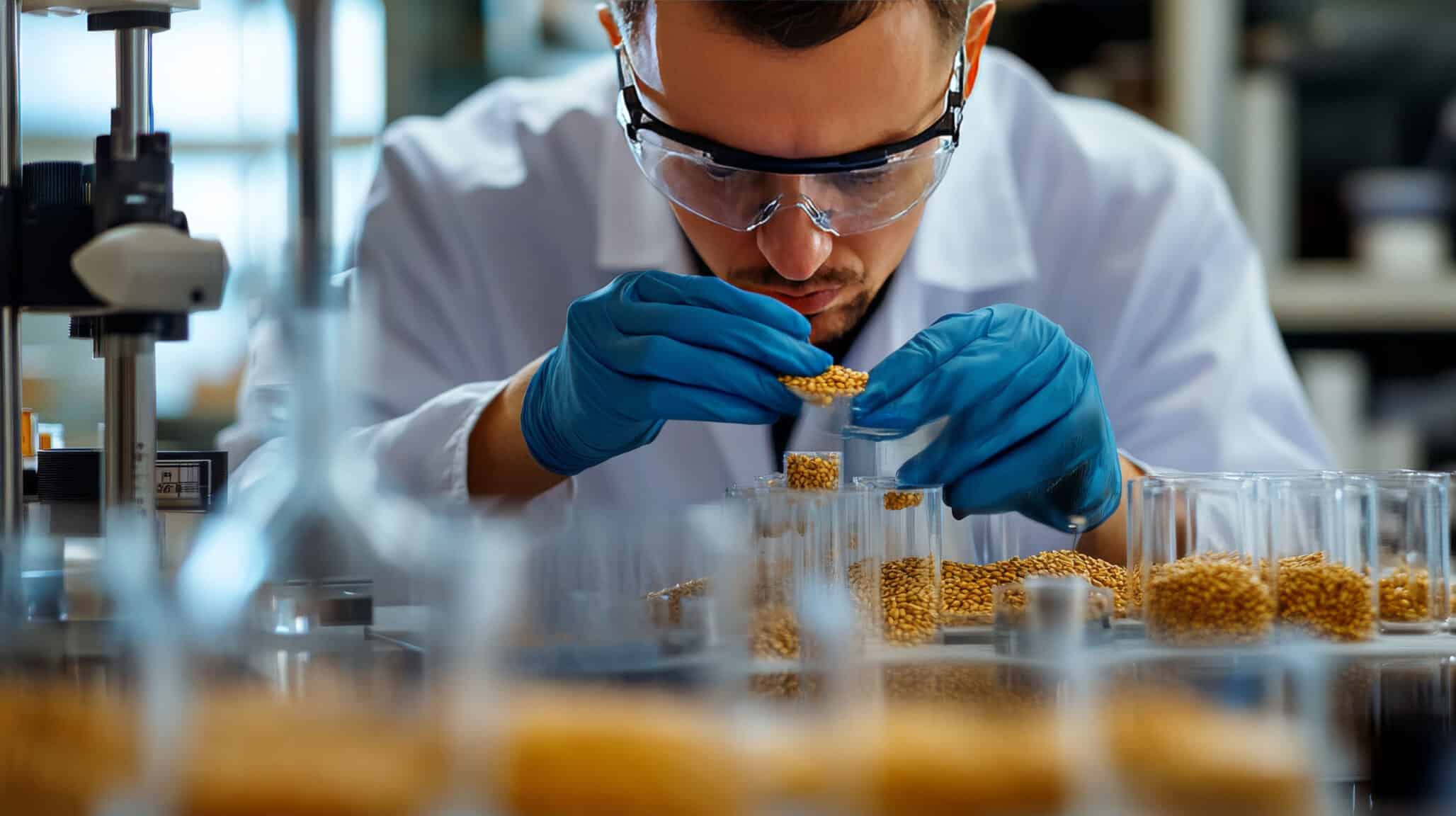
Chile holds a leading position in seed production and export, ranking as the main exporter in the Southern Hemisphere. Its counter-season production — growing crops during the opposite season to the Northern Hemisphere — helps meet global demand, reduces shortages, and accelerates the development of new vegetable varieties.
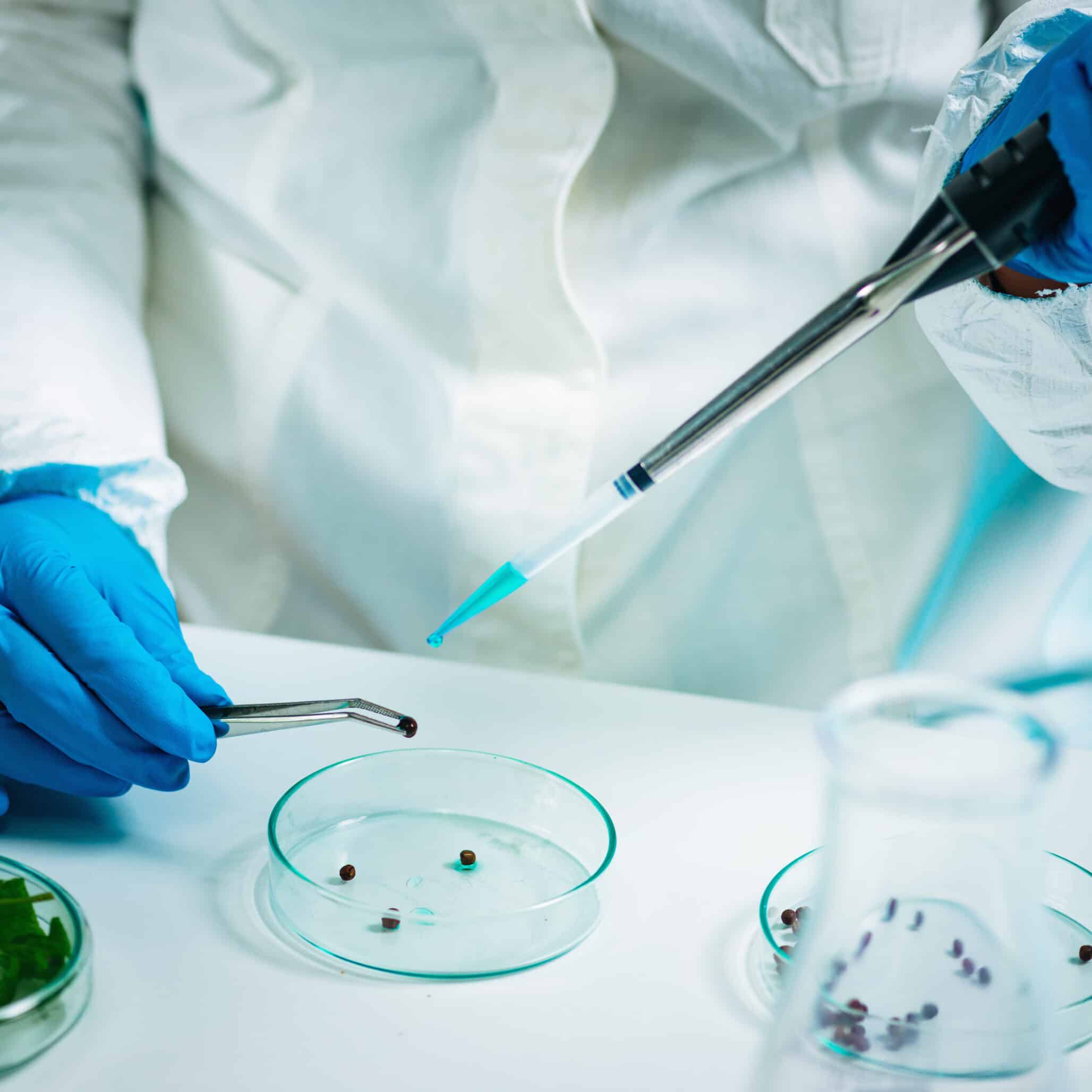
In 2024 alone, Chile exported nearly USD 400 million worth of seeds, totaling around 38,000 tons across crops such as vegetables, corn, canola, soybeans, flowers, and forage species. New varieties developed by geneticists to meet international demand are multiplied locally, often through meticulous manual work. Hundreds of operators handle flower pollination and hybridization with great precision — an intricate process that, while accurate, is still susceptible to human error.
To address this, researchers from the School of Electrical Engineering and the School of Agronomy at the University have launched a joint project to design and develop a portable device for monitoring and tracing high-value seed production, according to a press release.
According to Daniel Yunge, a professor at the School of Electrical Engineering, master’s in engineering sciences with a specialization in Electrical Engineering, and director of the FONDEF IT Project supporting this research, the device is designed to capture images and reflect data in the field. It will also be capable of detecting errors in flower manipulation during hybridization, thereby reducing quality losses in seed production.
“This is a technological solution that, through machine learning, identifies patterns in an image. In this case, images from different moments of the flowers that are worked manually through emasculation and pollination, account for mistakes in the process that can be corrected on time. We are thinking about using a smartphone app since smartphones have the necessary technology for a less costly implementation than a device fabricated especially for monitoring,” Yungue commented.
To achieve this goal, the project involves collaboration with LEM System, a company that provides technological solutions for the agricultural sector, including greenhouse inventory management, irrigation systems, and data services for farmers.
Quality Control
Patricia Peñaloza, professor at the School of Agronomy and the master’s Program in Agronomic and Environmental Sciences, and co-director of the project, explained that Chile’s seed industry is distinguished by its high quality, making it a preferred location for multinational companies conducting hybridization and developing new varieties.
“If we add a technological component to quality control of the work that is performed manually, our position at the international level can be even better and this project aims precisely at that.”
Regarding the types of errors the system may detect, the researcher noted that these are often linked to genetic factors, as well as challenges in handling and hybridization processes. Although such errors are relatively infrequent, their impact is significant because the market demands specific seed varieties with precise genetic identities. Even a minor mistake during the process can result in an unintended variety. Therefore, the main challenge in seed handling lies not in volume, but in achieving precision.
The project will be carried out in the Valparaíso Region, which is home to a large share of Chile’s manual hybrid seed production and employs a high percentage of women in these roles. One of the companies collaborating in this research is Agrícola Las Garzas, which provides seed hybridization services — from crop cultivation to staff recruitment.
Sustainability in the Agri-Food Industry
Sustainable management and production of food are increasingly important issues that continue to shape public policy at both national and international levels.
“The background of seed management is fundamental since we are talking about ensuring nutrition for the future,” Silvia Riquelme, researcher and designer of the University of Concepción project, said. “This is an innovative idea that is completely aligned with what it is sought nationally in agriculture, with the food requirements at the global level and the need to incorporate technological tools to the agricultural industry. Both in Chile and the international level, the goal is to achieve continuous improvement, avoid errors, and create traceability. Data management today is fundamental for the success of any enterprise.”
Yunge highlighted that the project also aims to enhance the productivity and well-being of workers involved in flower manipulation for seed production. While automation is a global trend to boost efficiency, he noted that technology can also play a key role in improving working conditions by simplifying essential tasks in the process.