The closing paragraph in this informative article is an excellent re-cap and look to the future.

As mentioned, variety performance was a criteria to support registration. However, as actual trialing resources diminished, it became difficult to find adequate trial sites to produce the necessary data requirements.
When I joined the seed trade in 1956 there were many trial locations in the public sector; Ag Canada testing and R&D sites, public institutions, and as sites became more scarce, largely due to reductions in public funding, the seed trade was encouraged to establish sites. Cereal crops, forages, hybrid corn and turf grasses were all subject to providing adequate data to meet registration requirements.
One difficulty with the system was the proliferation of “lookalike” varieties, especially in the forage crop sector, largely due to “reselection” in and from existing varieties. This situation is still worrisome. As research funding cutbacks continue, it is not unexpected that establishing adequate data to meet registration requirements will continue to be more and more difficult. With the important changes in agriculture more and more growers will be encouraged to run their own initial testing before committing to new varieties they haven’t tested. With hybrid corn this practice is well underway.
From my own observations re: forage crop testing for registration, I would suggest the system is impractical.
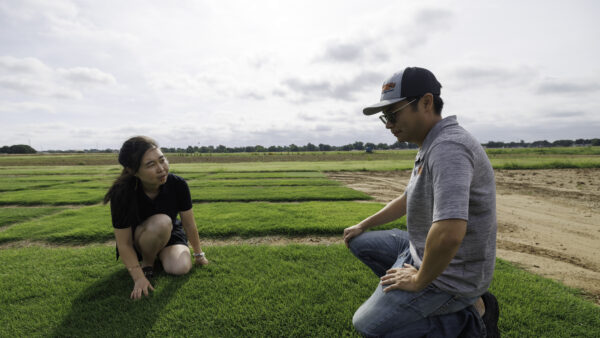
Observing trial sites in May and again in mid-August, it’s difficult to believe that there is adequate uniformity over the required four replicates. As your writers suggest, better to work on improving the system rather than its abandonment, and in the end on-farm testing sites operated and evaluated by the principal player in making choices seems to be a positive choice.
Editor’s Note: Seed World Canada loves letters to the editor and other feedback. Is there something you’d like to share? We’d love to hear it! Email mzienkiewicz@seedworldgroup.com