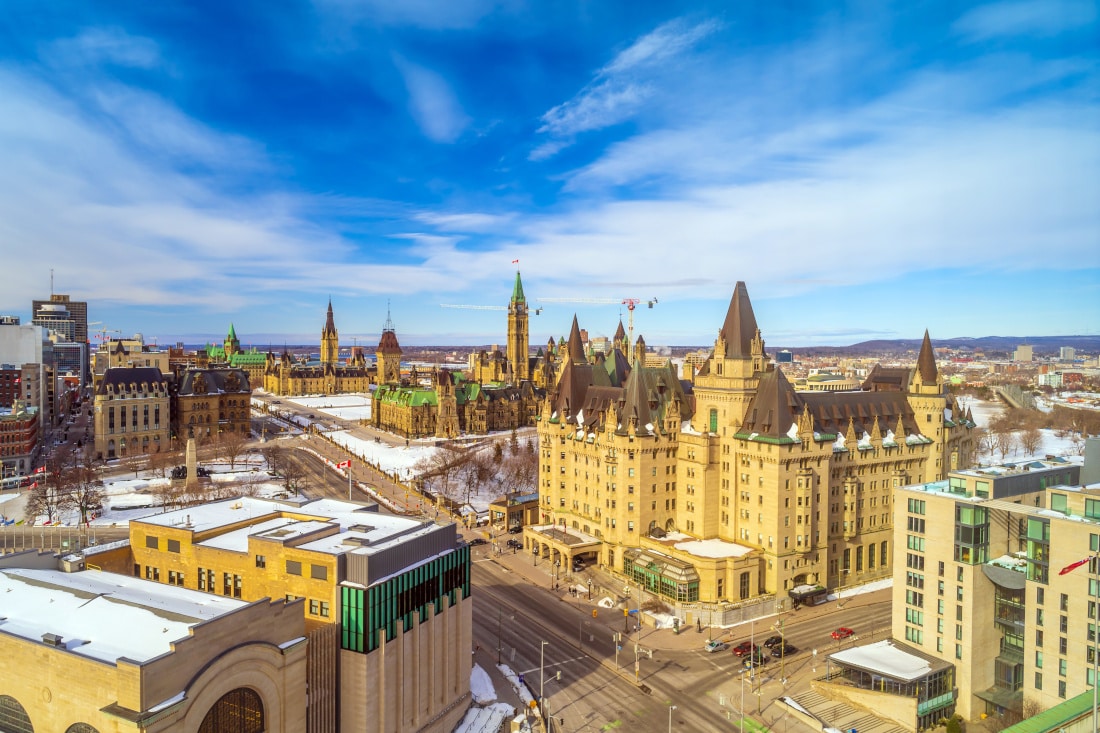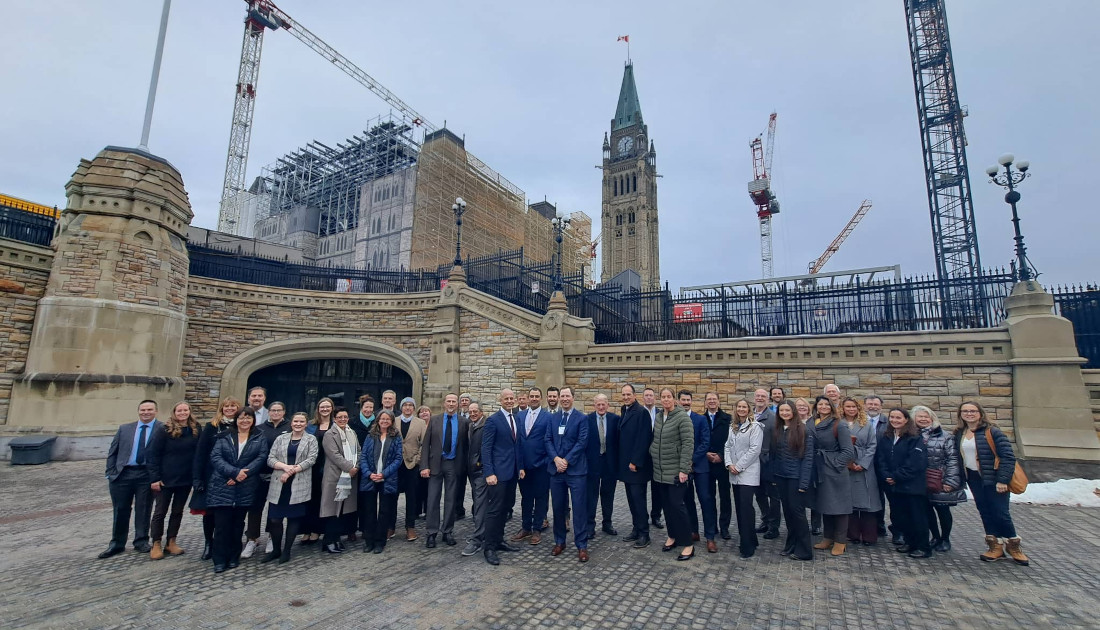
Yesterday I had the chance to sit in on Question Period as part of the Interprovincial Seed Growers Meeting in Ottawa. I’ve followed politics for most of my life, but seeing it unfold from the gallery offers a perspective you can’t get through a screen. What struck me most was how ordinary it all was — and I mean that in the best possible way.

For all the theatrics, the barbs, the scripted lines and counterpunches, Question Period is ultimately the visible heartbeat of a democratic system that countless people around the world would love to have. There’s something humbling in the simplicity of it: we vote, we count seats, and whoever wins governs the country. That collective agreement — that trust — is the quiet foundation of everything else.
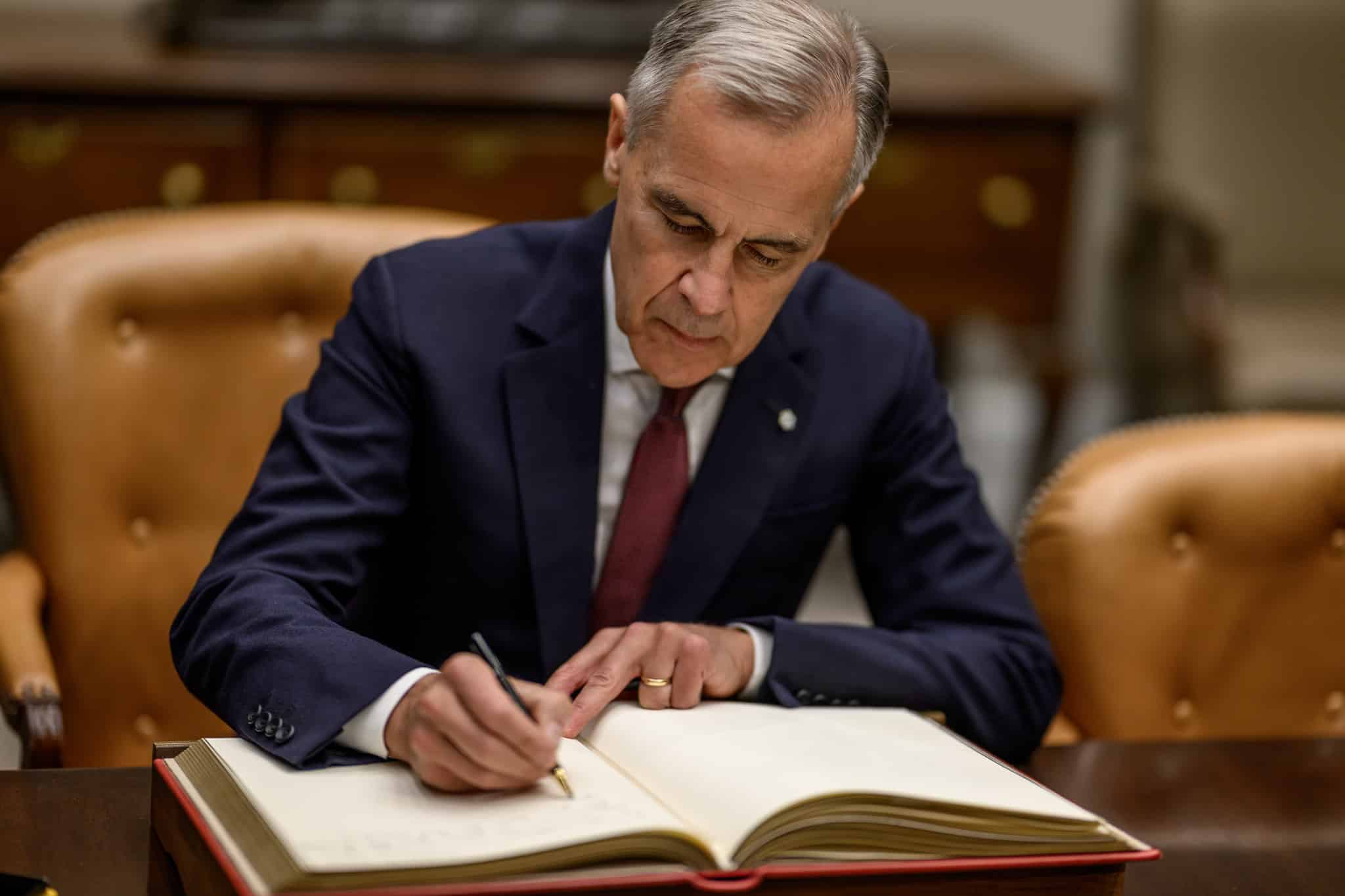
Agriculture had its moments on the floor, mostly framed around food prices and affordability. It’s always fascinating to hear our sector invoked in the political arena, even if it’s often in broad strokes. But the real substance of the day came later, during an evening reception with MPs and senators. There, in a room full of people who shape federal policy, the long-standing relationship between Ottawa and the agricultural community was unmistakable. The conversations were genuine, the interest real, the commitment visible.
Earlier in the day, Carla Ventin of Mile26 Strategy provided a masterclass on how to navigate that very ecosystem — and why this moment matters so much. She laid out the political context with refreshing clarity: a minority government intent on producing quick, tangible results; a federal budget that places agriculture as a strategic sector; and a rare alignment between government priorities and the work CSGA is doing on Seed Regulatory Modernization.
In short, we showed up in Ottawa at exactly the right time.
Ventin explained that the government is hungry for regulatory reform, digital transformation and cost efficiencies — all areas where SRM fits hand-in-glove. But she also cautioned that AAFC and CFIA are facing 15% budget cuts. That puts the onus on growers to highlight not just what needs fixing, but what already works and must be protected. In a time of restraint, good systems don’t stay intact unless the people who rely on them speak up.
She also offered a practical primer for the reception to come. Ottawa’s agricultural community, she noted, is surprisingly tight-knit and unusually influential for its size. Relationships matter here — not performatively, but genuinely. Her message was simple: tell your story.
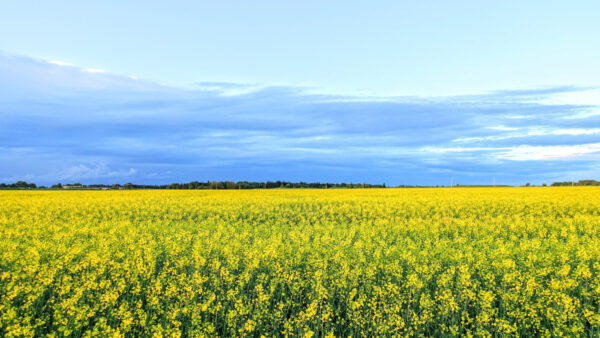
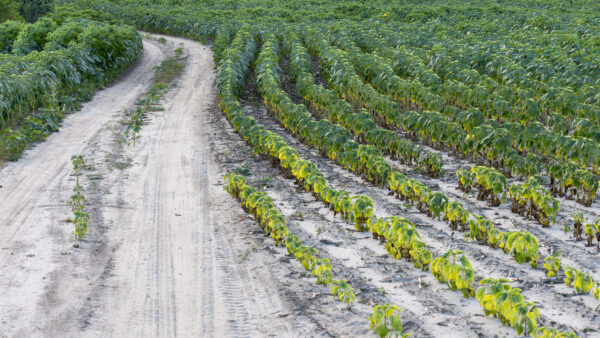
A line from her presentation kept coming back to me throughout the day: “Nine out of 10 bites of food start with seed.” In a city where food security, regulatory efficiency and economic resilience are top of mind, that message lands with force.
Democracy may be noisy, imperfect and often theatrical — but it’s also responsive when we choose to engage. And for Canada’s seed growers, this is one of those moments when showing up really does make a difference.