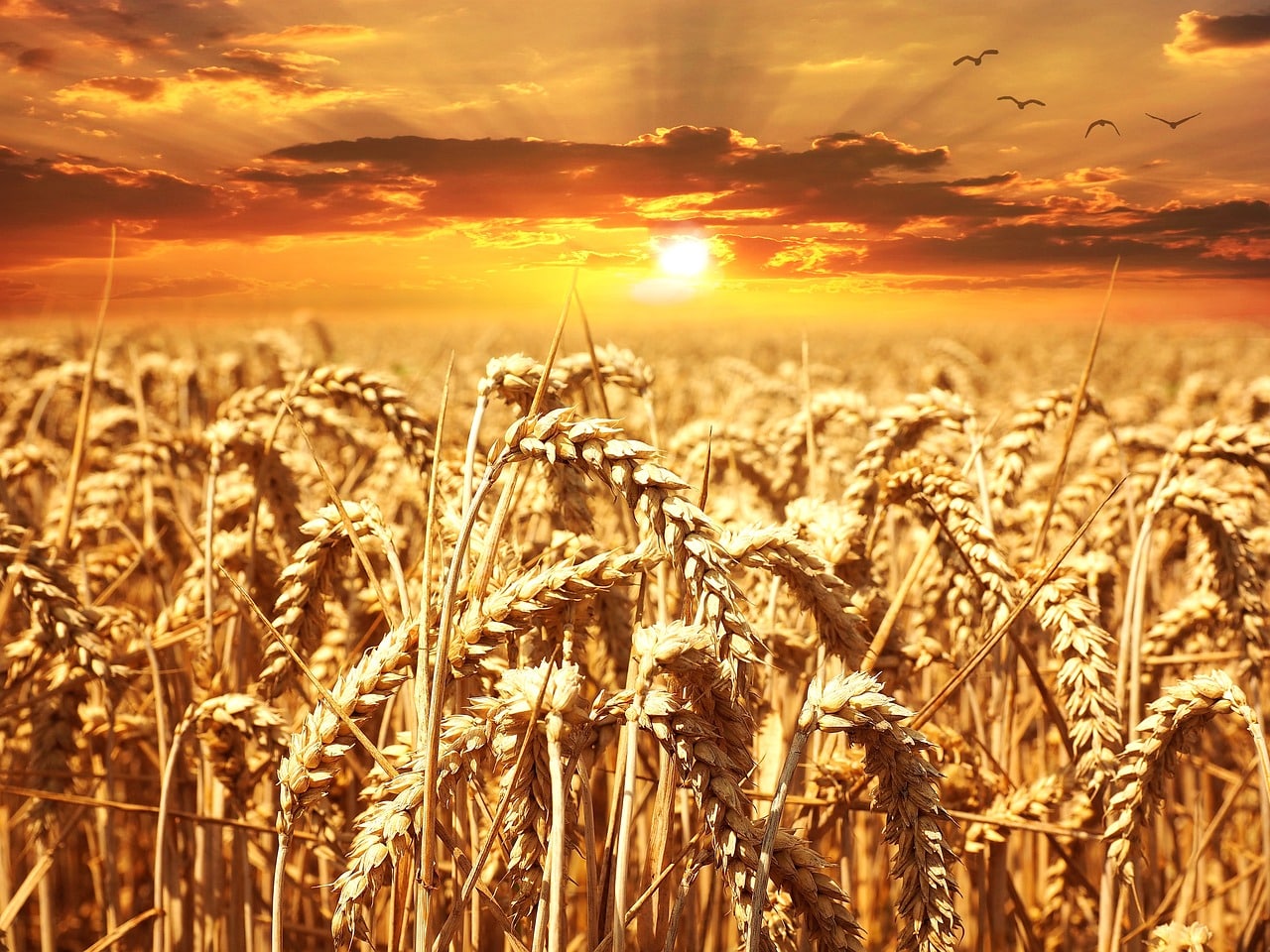
A pioneering study by Embrapa Cerrados (DF) has shown that strategic irrigation management in wheat can cut greenhouse gas (GHG) emissions by up to 50% without compromising productivity. By identifying a balance between yield and environmental sustainability, the research offers important advances for cereal management in tropical regions under climate change conditions.
The researchers liken soil to a giant sponge that stores water for plants. Their findings indicate that the optimal moment to irrigate wheat is when about 40% of this stored water has already been used.
To reach this conclusion, the team evaluated four irrigation management strategies, allowing the soil to deplete 20%, 40%, 60%, and 80% of its available water before re-irrigation. The objective was to identify the best compromise among crop productivity, water-use efficiency, and environmental impact, according to a press release.
The study’s results were published in the article “Sustainable irrigation management of winter wheat and effects on soil gas emissions (N₂O and CH₄) and enzymatic activity in the Brazilian savannah,” in the journal Sustainability (MDPI).
The 40% balance point
After two years of field experiments, the Embrapa Cerrados team concluded that irrigating wheat when 40% of the soil’s water reserve has been depleted represents the optimal balance between yield and sustainability.
“This is the ideal point, with a favorable result between productivity and greenhouse gas emission intensity, reaching the best Global Warming Potential index,” reveals researcher Alexsandra Oliveira, one of those responsible for the study. This potential refers to nitrous oxide (N2O) and methane (CH4) emissions.
When irrigation was applied after 40% of the soil’s available water capacity (AWC) had been depleted, wheat achieved its highest yield—6.8 tons per hectare—while also recording the lowest nitrous oxide emissions, averaging less than 3.0 kg per hectare. Nitrous oxide is nearly 300 times more potent than carbon dioxide (CO₂) in terms of greenhouse effect.
“What we prove with this study is that a simple adjustment at the time of irrigation can radically change the emission of greenhouse gases and its effects on climate change,” explains Oliveira.
“When the soil was irrigated late, with the depletion of 60% or 80% of the soil water, emissions increased considerably. Overall, maintaining an intermediate soil humidity, around 40%, provided the best balance between productivity and environmental sustainability. This is a climate-smart and efficient strategy in relation to the use of natural resources for the production of irrigated wheat in tropical systems.”
According to the study, repeated soil rewetting cycles drive greenhouse gas emissions. Allowing the soil to dry excessively and then re-irrigating it—causing sharp fluctuations in moisture—stimulates microbial activity responsible for producing these gases.
Less Emission, More Efficiency
The consolidated data showed that it is possible to produce the same amount of food with greater efficiency, considering the emission/product ratio. “It’s not just about irrigating more or less – but about irrigating accurately. These findings show that it is possible to produce wheat in the Cerrado with high yield and low climate impact. Just respect the soil limit and know the right time to irrigate. Tropical agriculture needs to work with water precision to be productive and sustainable,” summarizes researcher Jorge Antonini.
Therefore, maintaining irrigation with the CAD use index at 40% is an efficient strategy for Cerrado producers: “Thus, productivity remains high, with almost 7 tons per hectare, and the environmental impact is as small as possible,” he emphasizes.
Based on the study’s findings, farmers can use irrigation water more efficiently without sacrificing crop profitability, while also minimizing impacts on the planet’s climate.
Methane becomes an ally
Another important discovery involved the behavior of methane (CH₄).
“Instead of releasing this gas, in ideal irrigation conditions, the Cerrado soil acted as a drain, absorbing methane from the atmosphere, a find in irrigated agricultural systems,” Oliveira points out.
The explanation lies in the traits of tropical soils—good drainage, strong aeration, and the absence of waterlogging. These conditions favor microorganisms that consume methane, turning a climate “villain” into an ally.
The Cerrado Field Trial
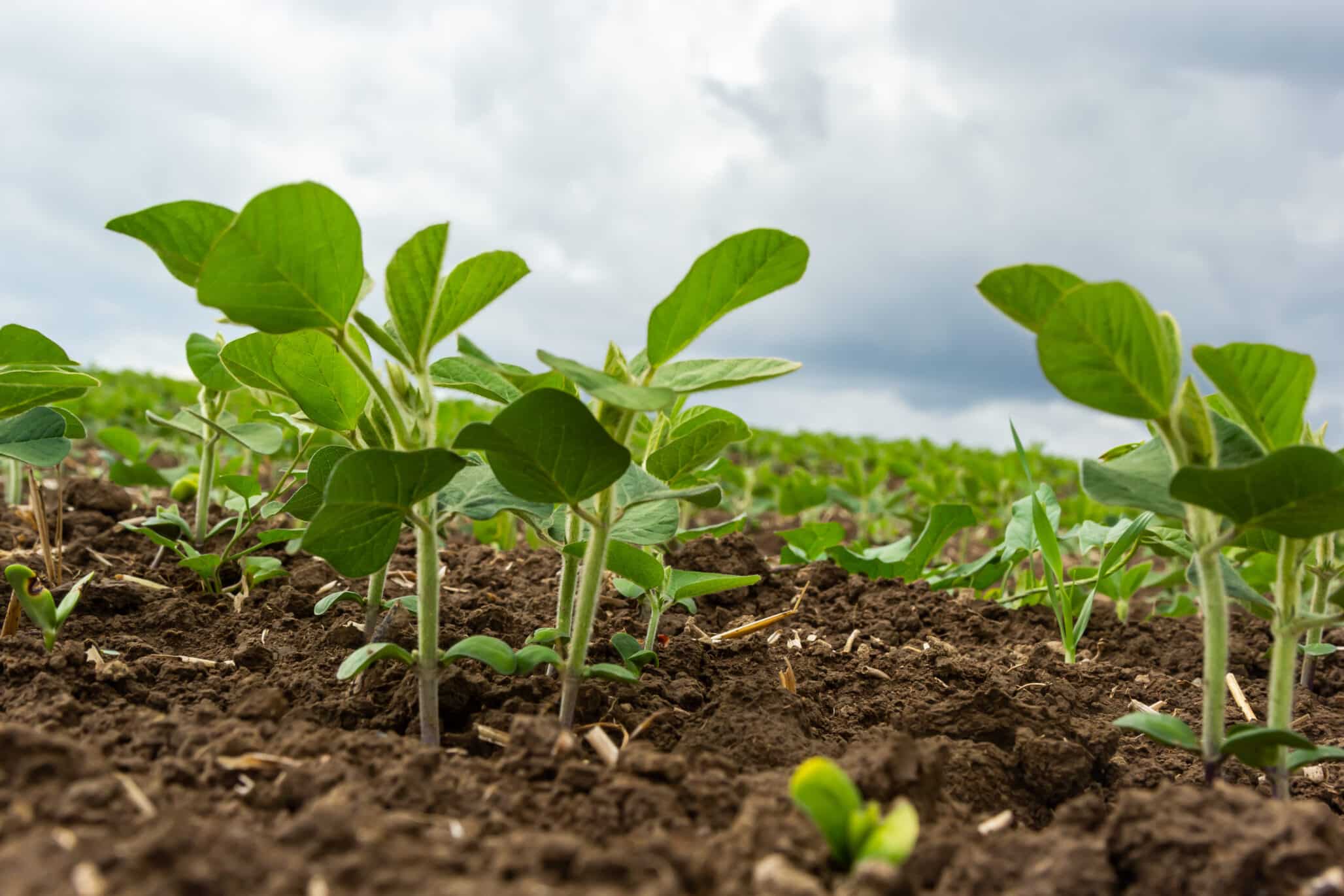
The study was conducted from 2022 to 2024 at Embrapa Cerrados in Planaltina, Federal District. The experimental plots were managed under no-till, with a soybean–wheat rotation. The cultivars used were BRS 4782 RR (soybean) and BRS 264 (wheat). Planting wheat in winter after the soybean harvest is a widely adopted practice among producers in the region.
“To monitor soil moisture in real time, probes were installed 70 centimeters deep, the height where the wheat roots are concentrated,” explains Artur Müller, also a researcher and member of the team.
To measure greenhouse gas emissions, the researchers used closed static chambers—a method recognized by the United Nations Intergovernmental Panel on Climate Change (IPCC).
Beyond yield and emissions of nitrous oxide and methane, the team also evaluated soil enzymatic activity as an indicator of biological health. The analyses showed no significant differences in enzyme activity among treatments, suggesting there may be no direct link between enzymatic responses and irrigation timing in soybean–wheat succession.
According to Oliveira, one possible explanation is the absence of excess moisture, since irrigation in the study replenished water only up to field capacity, without oversaturation. Another contributing factor may be the no-till system, which keeps crop residue on the soil surface throughout the rotation, helping reduce moisture loss.