Canadian Wheat Research Coalition warns federal job reductions could weaken public plant breeding.
The Canadian Wheat Research Coalition (CWRC) is expressing serious concern following the announcement that Agriculture and Agri-Food Canada (AAFC) will eliminate 665 staff positions nationwide as part of a plan to reduce the department’s budget by 15 per cent over the next three years.
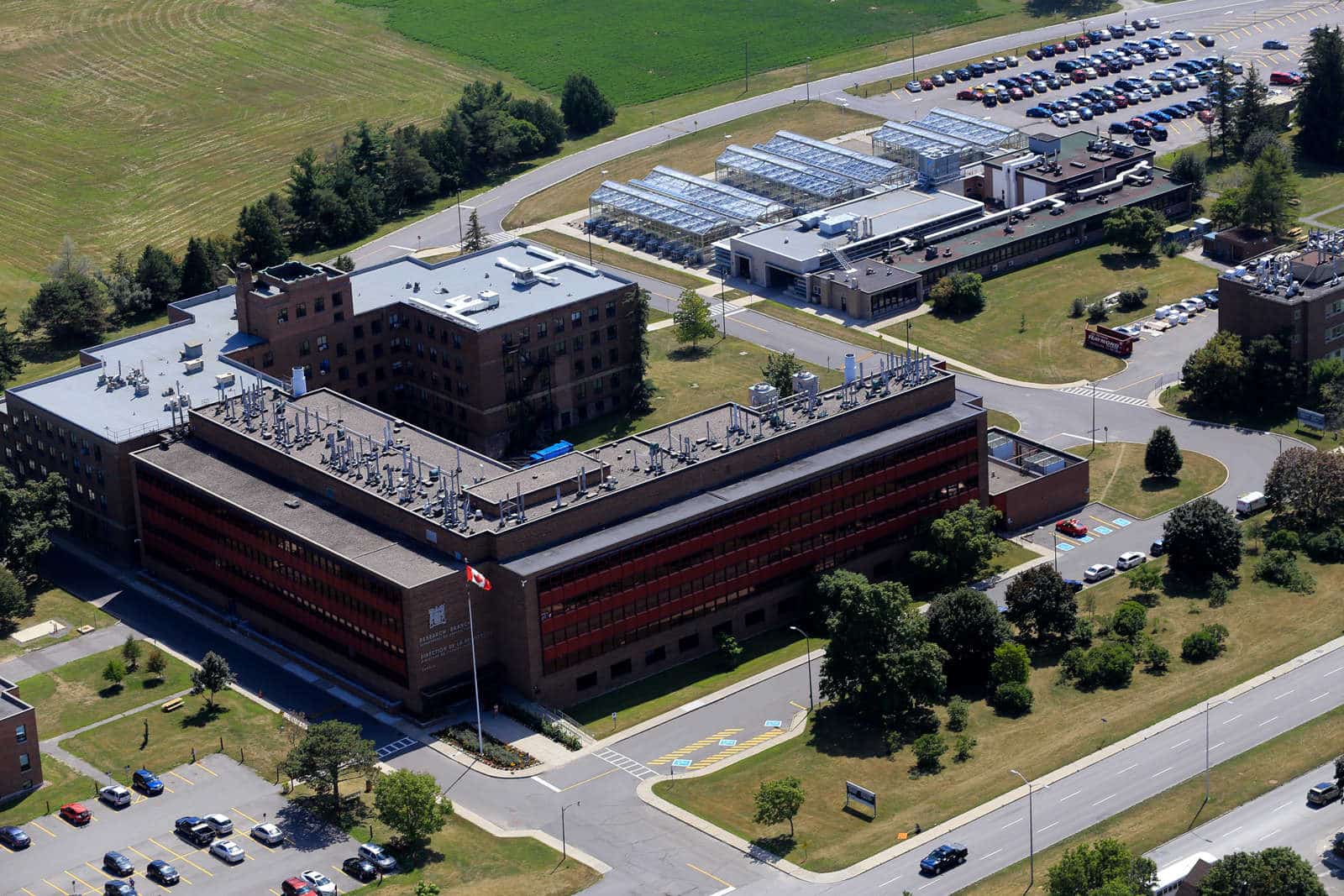
The coalition says the AAFC staffing cuts could have far-reaching consequences for Canada’s seed industry, particularly for public plant breeding programs that underpin varietal development, genetic gain and long-term innovation.
“These staffing cuts, and related impacts at AAFC research stations, represent a tremendous loss for Canadian agriculture,” said CWRC chair Jocelyn Velestuk in a press release.
“It is a loss of not only expertise and people who have contributed to farmers’ success, but also of agricultural research capacity that is crucial to fuelling innovation and maintaining progress throughout the industry.”
AAFC a cornerstone of public plant breeding in Canada
AAFC plays a central role in Canada’s public plant breeding ecosystem, working alongside universities and industry partners to develop new wheat varieties for both domestic and export markets. Through its current core breeding agreement (CBA) with AAFC, the CWRC has invested $19.9 million over three years on behalf of western Canadian farmers.
The CWRC notes that Canada’s seed sector relies on a strong public research network to maintain genetic diversity, advance breeding pipelines and support commercialization. Any erosion of AAFC research capacity could slow varietal advancement and weaken Canada’s competitive position in global seed and grain markets.
Uncertainty around impact on AAFC research stations
Details on how the 665 AAFC job cuts will be allocated across research centres and breeding programs have not yet been released. The CWRC says it is closely monitoring the situation and remains in ongoing communication with AAFC leadership.
The coalition has indicated it will continue discussions with the department as more information becomes available on program-level impacts.
Seed industry benefits from coordinated public investment
In addition to AAFC, the CWRC maintains CBAs with the University of Saskatchewan Crop Development Centre, the University of Manitoba and the University of Alberta. Together, these partnerships represent more than $9.5 million per year in investment in public wheat breeding.
The CWRC says these coordinated investments in plant breeding have delivered strong returns by supporting varietal turnover, improving agronomic performance and strengthening the value chain for the seed industry, growers and end users alike.
In light of the staffing cuts at AAFC, the CWRC says its ongoing review of Canada’s wheat breeding innovation system is increasingly critical. The goal is to ensure the system continues to produce elite, competitive varieties that meet the evolving needs of the seed sector and downstream markets.