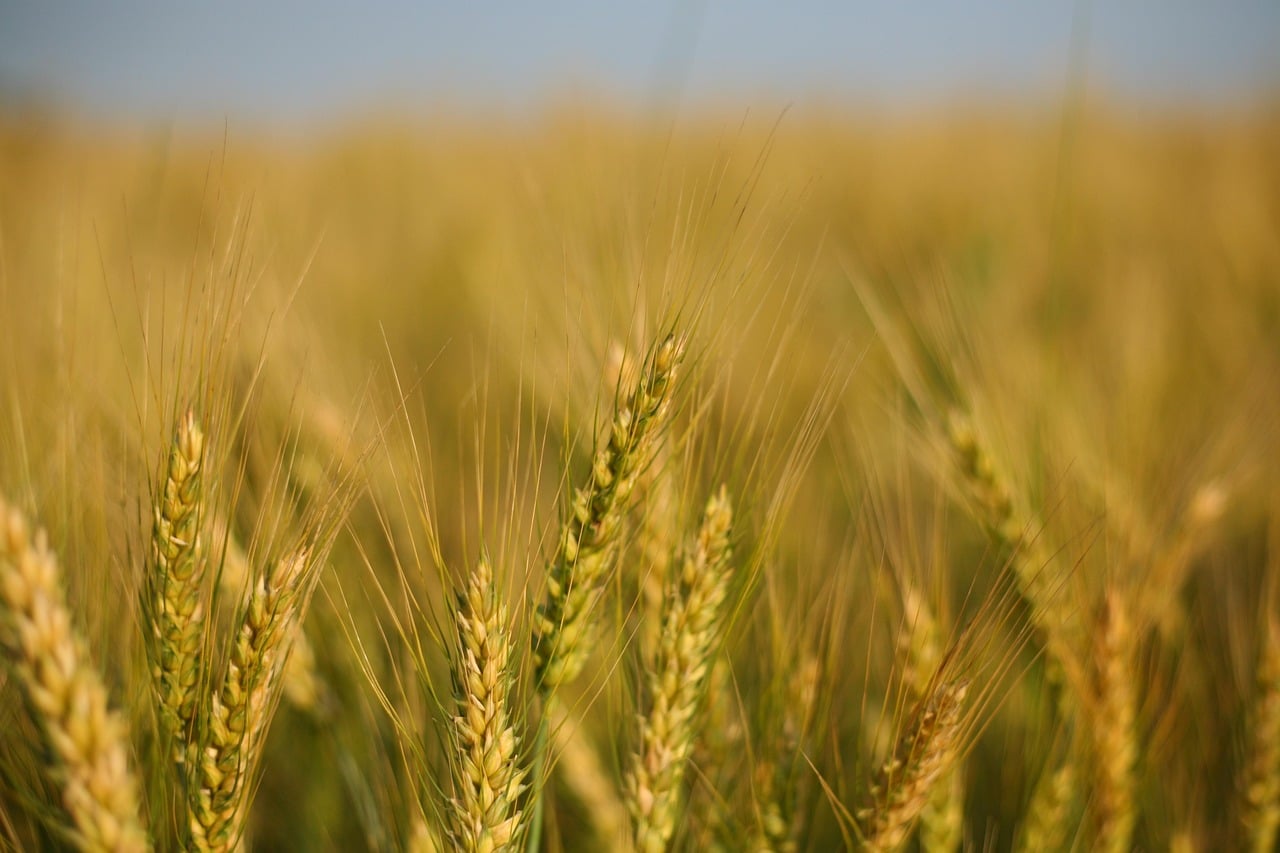
Scientists at The James Hutton Institute have identified a gene — named HvST1 — that could prove important for securing the future of barley. With the barley sector under growing pressure from climate change, soil degradation, and pests, breeders are seeking varieties that are tougher, higher-yielding, and better adapted to a wider range of conditions.
HvST1 (“Sticky Telomeres 1”) affects how chromosomes behave during meiosis, the reproductive stage when genetic recombination occurs. The researchers found that HvST1 influences how strongly chromosomes remain connected at specific sites. By modifying the gene, they were able to reduce that “stickiness,” potentially enabling a greater diversity of genetic combinations to arise during reproduction.
The James Hutton Institute hosts the International Barley Hub (IBH), a major centre for barley research and collaboration supported through a £62 million investment via the Tay Cities Region Deal. The Hub brings together scientific, industry, and commercial partners to drive discovery and translate advances into practical outcomes — helping protect barley production for food, drink, and animal feed markets worldwide, according to a press release.
Dr Isabelle Colas, plant molecular geneticist and deputy director of the IBH, shared further insight into the findings.
“Barley is one of the world’s most important crops, used in everything from food and animal feed to beer production. At the IBH we are constantly driving innovation to keep this vital crop resilient and sustainable.
“By shuffling genes and selecting beneficial traits, breeders can enhance certain qualities, like drought resistance or disease tolerance, but the genetic toolbox isn’t limitless, and in barley, it’s been especially challenging to create the right combinations.
“Genetic recombination is the natural process that mixes up DNA during sexual reproduction, creating new gene combinations that can give rise to new traits. For breeders, this genetic reshuffling is crucial in achieving desirable traits in crops. However, in barley, recombination is limited to certain regions of the chromosomes. This ‘recombination bias’ means that only a portion of barley’s genome actively participates in the reshuffling, making it difficult to separate good traits from undesirable ones. Our recent discoveries about HvST1 may help break down this barrier, providing breeders with more flexibility and helping in their search for ideal trait combinations.”
By studying barley lines with natural variation in HvST1, researchers found that plants carrying a mutated version of the gene showed higher recombination across a much broader stretch of their chromosomes, rather than being concentrated in the usual limited regions. The shift was large enough to make previously “locked” parts of the genome available for reshuffling, giving breeders better access to traits that were difficult to separate using conventional approaches.
These insights could significantly strengthen barley breeding. If breeders work with plants carrying the HvST1 mutation, they may be able to combine desirable traits more easily and speed up the development of varieties that match current agricultural needs—supporting faster, more efficient breeding for resilience and performance.
The implications may extend beyond barley. The discovery could prompt similar research in other crops with comparable recombination constraints. Researchers also suggest that pairing HvST1-type changes with modern genetic tools, such as CRISPR-based gene editing, could further expand how precisely traits can be combined.
More broadly, increasing recombination and genetic diversity could support a shift toward more sustainable agriculture. Crops with greater built-in resilience to disease and extreme weather may reduce reliance on pesticides and other inputs, helping farming systems adapt to future climate pressures.