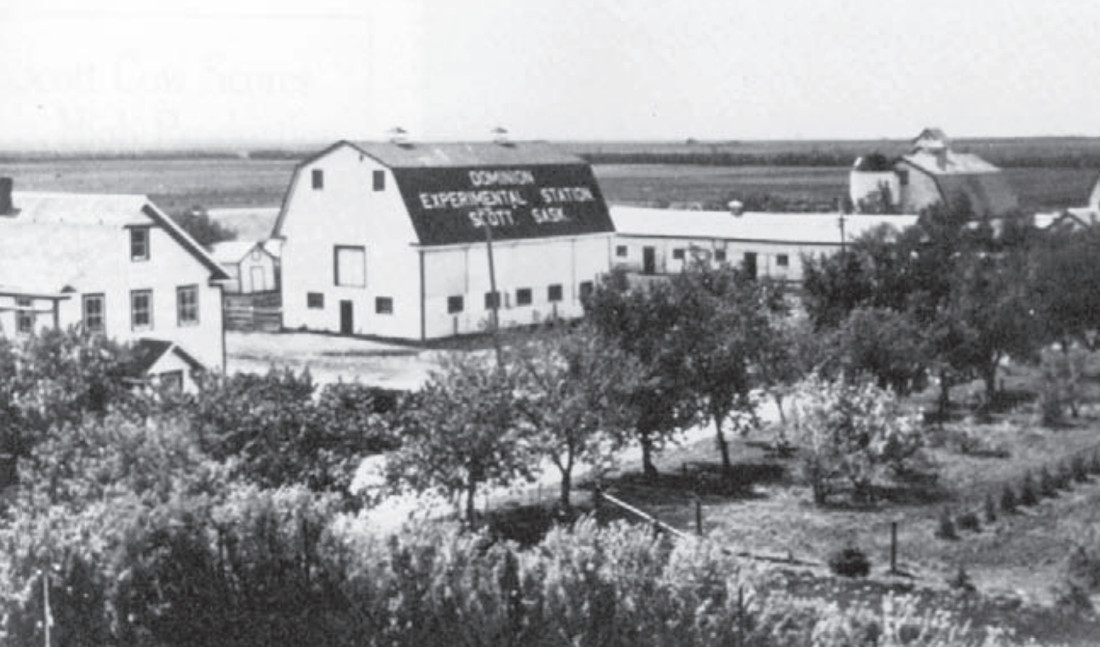
Grain Growers of Canada is urging the federal government to provide immediate, program-level clarity on the impacts of recent staffing reductions and announced closures or consolidations at Agriculture and Agri-Food Canada (AAFC) research facilities, warning that the sector cannot assess downstream consequences without transparent information.
“Transparency is essential when decisions affect the foundation of Canada’s agricultural research system,” said Scott Hepworth, chair of Grain Growers of Canada and a Saskatchewan grain farmer.
The organization said the pace and scale of the announced changes have sparked serious concern across the grain sector, particularly around the long-term erosion of research capacity, regional expertise, and innovation pipelines. Grain Growers argues that decisions of this magnitude require detailed impact assessments explaining how key components of the research system — such as applied breeding programs, agronomic research, long-term datasets, and region-specific expertise — were evaluated before reductions were made.
“Without clear disclosure of what research capacity is being reduced or eliminated, the sector cannot understand the long-term risks to production and competitiveness”, Hepworth added. “It must be clear what capacity is being lost, where, and with what consequences.”
AAFC has cited personnel confidentiality as a reason for limiting details on the announced changes. However, Grain Growers of Canada said confidentiality should not prevent disclosure of which research programs and capacities are being reduced.
“Personnel confidentiality is not a barrier to clarity on program impacts,” Hepworth said. “Clarity of affected programs, facilities, and research capacity is both possible and necessary.”
Grain Growers warned that without timely disclosure, the risk of disruption shifts directly onto producers and research partners, particularly if cuts result in the loss of institutional knowledge, interruption of long-term datasets, or elimination of regional expertise that supports crop production across the country.
“The absence of clear information shifts risk directly onto the sector,” Hepworth said. “When institutional knowledge is lost, long-term datasets are broken, or regional research expertise disappears, those losses cannot simply be reversed, and the consequences will be felt long after these decisions are made.”
The organization said early certainty around affected facilities, programs, and timelines would allow research partners and producer organizations to respond, mitigate disruption, and protect the integrity of ongoing research and production cycles.
Grain Growers of Canada is calling for immediate disclosure of affected programs, facilities, and research capacity, and says it will continue engaging with the federal government to ensure changes to Canada’s agricultural research system do not undermine the sector’s global competitiveness, long-term viability, or farmers’ livelihoods.