
Greenleaf Seeds in Saskatchewan uses colour sorting technology to improve seed quality, reduce risk, and unlock new opportunities across oats, wheat, lentils, and more.
When you’re producing pedigreed seed, cleaning isn’t just a final step. It’s what protects quality, reputation, and value.
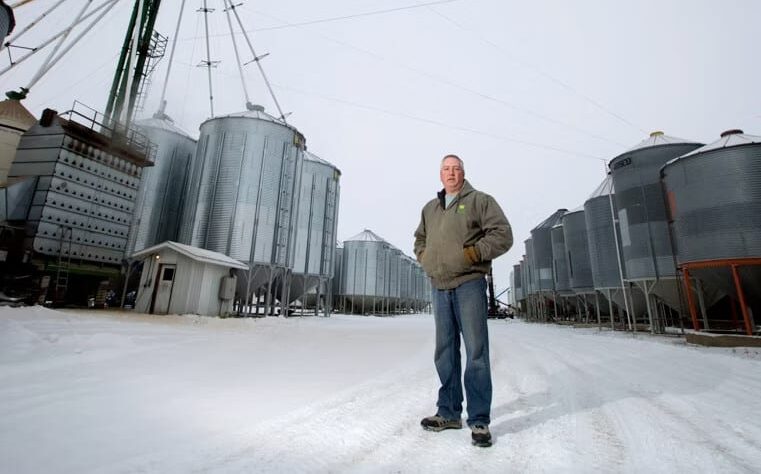
We have our own on-farm seed cleaning plant near Tisdale, Sask., and roughly 95% of the equipment in that facility comes from Nexeed. Their technology is deeply integrated into how we process seed.
The biggest shift for us came in 2018, when we added a colour sorter. Before that, wild oats were one of the most difficult contaminants to remove from seed oats. Once wild oats showed up, it was challenging to clean them out completely. With the colour sorter, that changed.
Today, we can clean wild oats out 100%. Depending on the pedigree level, some contamination may be allowed, but we now have the mechanical ability to deliver perfectly clean seed. That capability has allowed us to grow significantly more seed oats with far less risk.
The benefits go well beyond oats. We use colour sorting to remove red wheat contamination, manage fusarium-affected seed, and clean a wide range of crops including canola, lentils, peas, and faba beans. In some cases, it has allowed us to upgrade commercial grain that otherwise wouldn’t have met grade. And on top of it all, adding a colour sorter has added capacity to our plant – we can run product through faster with the extra tool at work.
When I look back 20 years, the difference is remarkable. Back then, the only guaranteed way to remove wild oats from a seed field was roguing. Today, advanced seed cleaning technology, including air screens, gravity tables, and colour sorters, allows us to do that work mechanically and far more efficiently.
For me, colour sorting is both quality assurance and risk management. It ensures I’m delivering exactly what my customers expect, and it protects our business if questions ever arise later.
Nexeed’s support has been a big part of that success. They helped design our system, train our staff, and provide ongoing remote support. If we’re dialing in a new recipe for a crop, they can log in remotely and help us optimize settings quickly. That kind of service keeps us efficient — and keeps our standards high.