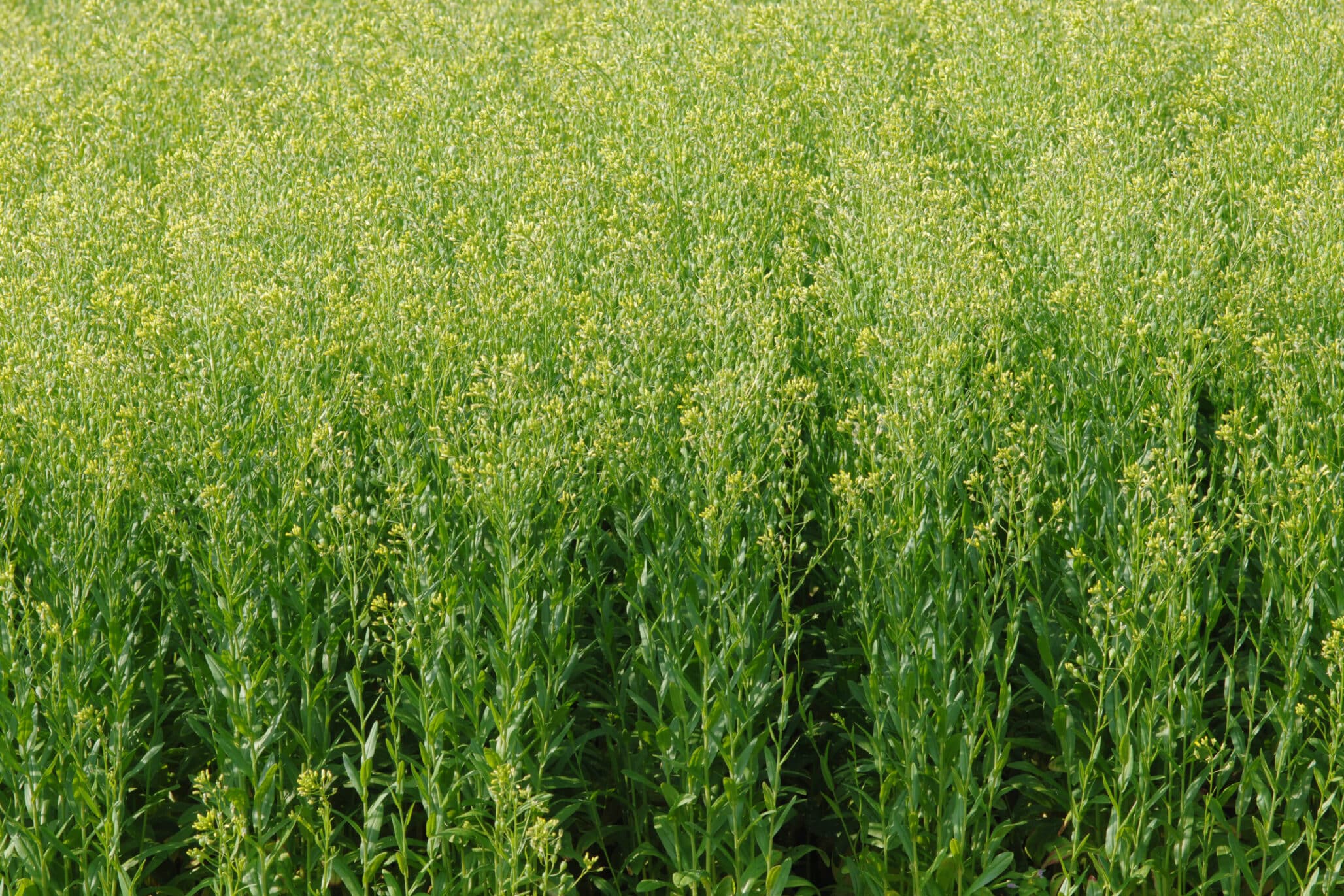
As climate change drives more frequent heatwaves and droughts, scientists are searching for crops that can thrive under harsher growing conditions. New research points to camelina (Camelina sativa) — a traditional oilseed used for food, animal feed, and biofuels — as a strong example of both plant resilience and how insights from stress adaptation could support future farming.
Through the EU-funded UNTWIST project, researchers and partners across Europe assessed 54 diverse camelina lines for their responses to heat and drought. Trials were carried out in controlled settings and in farmers’ fields across Europe. Despite camelina’s relatively limited genetic diversity, the study found striking variation in how individual lines reacted to stress. This flexibility suggests camelina can withstand climate pressures, and that different varieties may offer region-specific options for farmers facing distinct climate risks.
Analyses inside the plants showed that heat and drought triggered clear shifts in chemistry and function. Some lines responded with major metabolic adjustments, while others leaned more on physical and physiological changes. At the molecular level, camelina altered sugars, amino acids, antioxidants, and lipids, and reshaped leaf fatty acids to help maintain cellular performance. Researchers also identified several metabolites and fatty acids that consistently tracked stress responses, offering potential markers for future crop improvement. Overall, the results highlight camelina’s high plasticity — its ability to draw on multiple strategies to cope with challenging conditions, according to a press release.
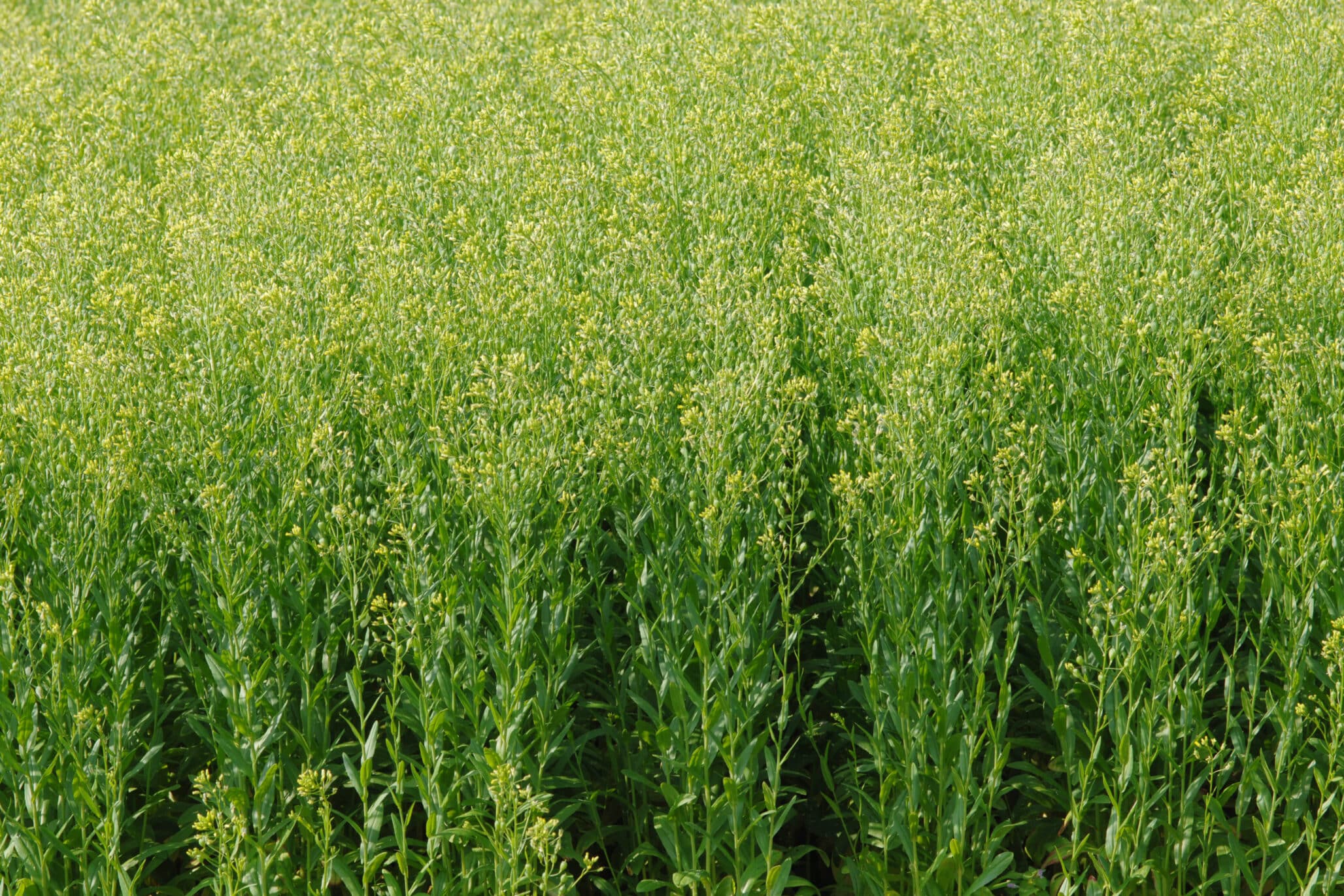
Field trials reinforced these findings. Lines that showed greater metabolic flexibility as seedlings in controlled environments often went on to perform better in the field, even when conditions were difficult. By combining controlled studies with real-world testing, the project not only clarified how camelina manages stress, but also helped translate practical “know-how” more quickly to growers.
“By linking early plant responses measured in the lab with performance in the field, this research provides a practical framework for breeding more climate-resilient crops,” said Dr. Susana Silvestre, lead author on the study. “While camelina is a niche crop, the lessons learned could support wider efforts to diversify farming systems and make agriculture more robust in the face of climate change.”
This research shows that resilience is not defined by a single “stress-tolerant” trait. Instead, crops that can adjust their biology in multiple ways are better equipped to handle unpredictable weather. The findings also underline that genetics alone cannot fully explain performance under stress: growing conditions, farm management, and the plant’s own responses all play a major role.
To deepen understanding of how Camelina sativa adapts to drought and heat, the UNTWIST project—a collaboration among European research organisations—has launched the UNTWIST Plant Adaptation Hub. This public, web-based platform makes the team’s results accessible to anyone, offers background on camelina, and provides a space to share research on how oilseeds respond to environmental stress. The hub includes curated datasets, analytical tools, and visualisation features designed to support efforts to improve crop resilience and yield stability, helping advance more sustainable agriculture across the UK and Europe as climates change.
Further discussion will continue at the International Camelina Conference in Málaga on 10–11 July, where researchers, stakeholders, and experts will review UNTWIST results alongside the latest developments in the field.
This research was supported by the UNTWIST project, funded by the European Union’s Horizon 2020 research and innovation programme under grant agreement no. 862524.