Giant Numbers
 9 — Number of seedsmen that started Canterra Seeds 16 years ago. “Canterra Seeds is a very young company in comparison to some other seed companies,” says David Hansen of Canterra Seeds. “We were established by a group of seed growers in Western Canada that were looking to exploit new opportunities for their own businesses and for their respective customers. The business has grown from those nine seedsmen to over 175 seed growers that are now part of our shareholder base. Over the years we have also seen growth in interest from independent ag retail companies who are appreciating our seed product offering for their retail customers. From Canterra Seeds’ perspective, our shareholder base will continue to grow from both the retail side as well as the seed grower segment.”
 50 – Mile radius that new wheat varieties will need to be grown and distributed in the future. “I think going forward the introduction of new traits and genetics will change the landscape somewhat but maybe not as much as people think,” says Jeff Reid of SeCan. “You always hear the saying that ‘wheat is grown, processed and distributed 50 miles at a time.’ And that’s really what sets the cereal industry apart from canola—where canola can be centrally produced, and really needs to be because of the costs associated with hybrid seed production, cereals really lend themselves well to localized production, processing and distribution.”
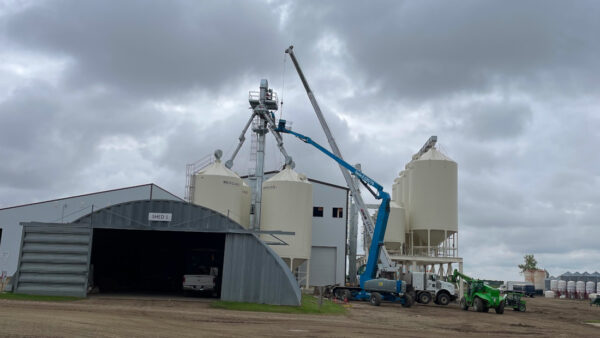
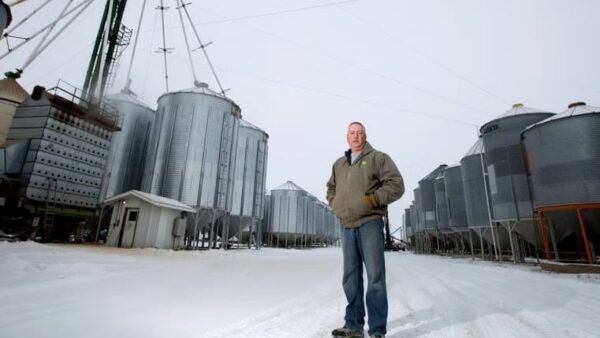
 1,100 – Total number of seed establishments in Canada, says Roy van Wyk of the Canadian Seed Institute. “There are about 650 that are approved conditioners and another 850 are bulk storage facilities, so when you combine those, and some are both, it’s about 1,100 in Canada.”
9 Million — Dollars spent on a global effort to sequence some of the chromosomes of the wheat genome. “We are leading the sequencing of some of the chromosomes of the wheat genome,” says Kofi Agblor of the Crop Development Centre. “It is a $9-million global effort that includes breeders from the United States and Europe, and it could really change the way we look at wheat. Once we are able to do sequencing, we can translate that information and gain a lot of knowledge and insight into wheat genetics, which leads to improved varieties on a timelier basis.”

100-120 – Number of casual staff members employed each fall by the Canadian Food Inspection Agency to help carry out crop inspections. “CFIA has now made it very clear that they are stepping back from the direct delivery of crop inspection,” says van Wyk. “CFIA is still going to stay involved in oversight of the program—certainly in the short term—and when I say that I think for five years, maybe 10. CSTA, the Canadian Seed Growers’ Association and CSI are all providing feedback and working with CFIA to see what can be done and what kind of solutions can be implemented to replace approximately 100 to 120 casual staff, who are hired annually by CFIA to conduct crop inspections. It’s a big challenge to try and picture what a privatized delivery model will look like moving forward—we really need feedback from industry right now and should have a much better idea of the level of interest as we approach the new year.”
60 – Percentage of funding for the Crop Development Centre that comes from the private sector. “While the public provides long-term strategic and operational dollars to the CDC, it isn’t the major funder to CDC research programs, so we have always [had partnerships] and in some crops, such as pulses, at a much higher rate,” says Kofi Agblor of the Crop Development Centre.