With looming tariffs and a fast-approaching trade agreement review, AAFC is retooling its approach to trade. A new negotiating team is leading the charge.
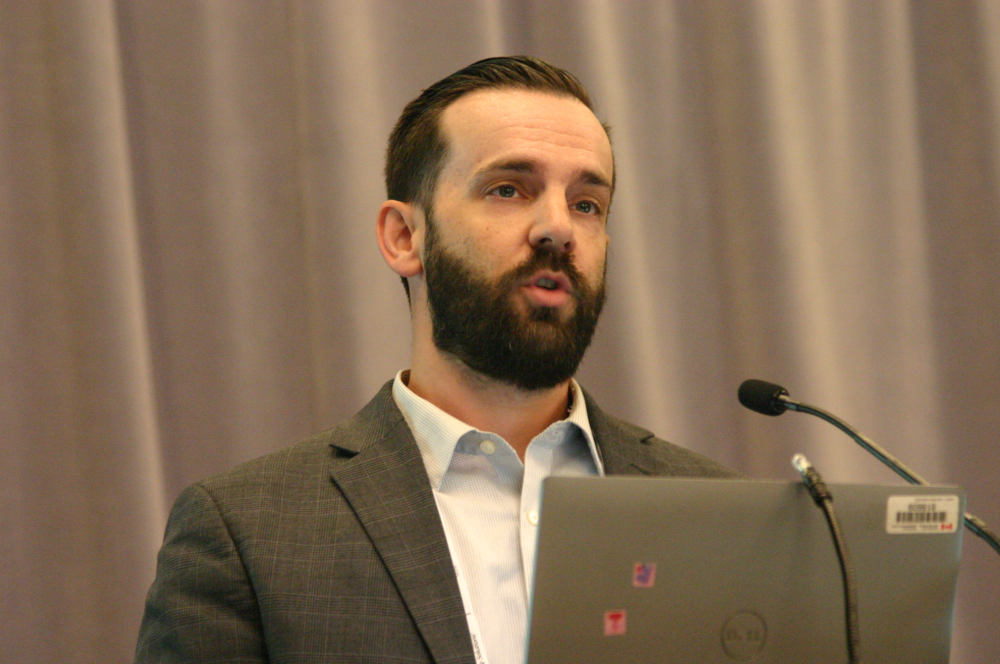
In a bold step to address growing uncertainty in international trade — particularly with its largest partner, the United States — Canada has assembled a new negotiating unit under Agriculture and Agri-Food Canada (AAFC). Led by Mathieu Boucher, a seasoned trade policy expert with nearly two decades at AAFC, the CUSMA (Canada-U.S.-Mexico Agreement) negotiating team is tasked with navigating what may be one of the most unpredictable trade environments in modern history.
The team was created just three months ago, Boucher explains. “We’re facing increasing pressures from the U.S., and we know a new round of negotiations may be coming sooner than expected. It was time for Canada to act.”
A Trade Boom — With Caveats
Canada’s agri-food exports have seen impressive gains in recent years, with 2024 marking a new milestone: over $100 billion in export value, a 63% jump since 2015. But while export value has surged, the actual volume has only grown about 15% — a signal that price gains and value-added goods are driving growth, not just quantity.
Yet the elephant in the room remains: 62% of those exports go straight to the U.S., a figure that continues to rise despite years of diversification rhetoric.
“The U.S. remains our easiest and most integrated market. Diversification is progressing, but it’s hard to compete with proximity and deep-rooted relationships,” Boucher says.
Trump’s Tariff Hammer Looms Again
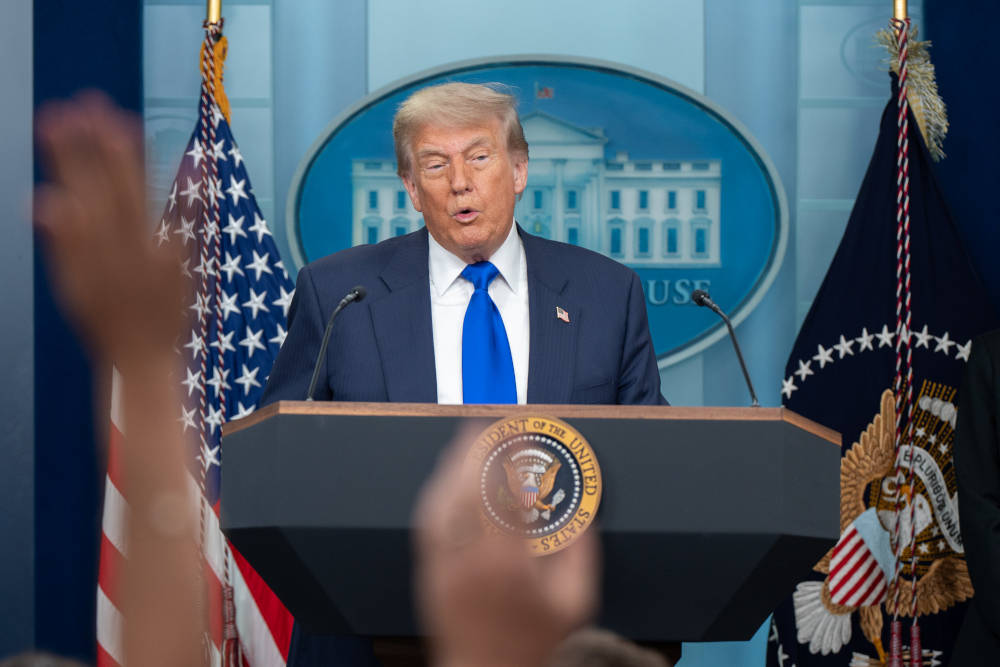
With the return of Donald Trump to the White House, Canada’s trade environment has entered a new phase of instability. The former and current president has once again leaned on aggressive tariff policies, reviving fears of a repeat of 2018’s steel and aluminum standoff.
Just hours before Boucher took the stage in Quebec City, Trump announced new tariffs — up to 50% on copper — and rolled out a National Farm Security Action Plan. In typical Trump fashion, these moves were shared without warning, underscoring the precarious nature of Canada’s trade ties with the U.S.
“We’re refreshing social media and news feeds constantly, trying to stay ahead of the next announcement,” said Boucher.
In total, 14 countries have received identical letters from the U.S. administration detailing upcoming tariffs on “any and all products.” The kicker? If any of these countries retaliate, Trump promises to double down with further tariff hikes.
CUSMA in the Crosshairs
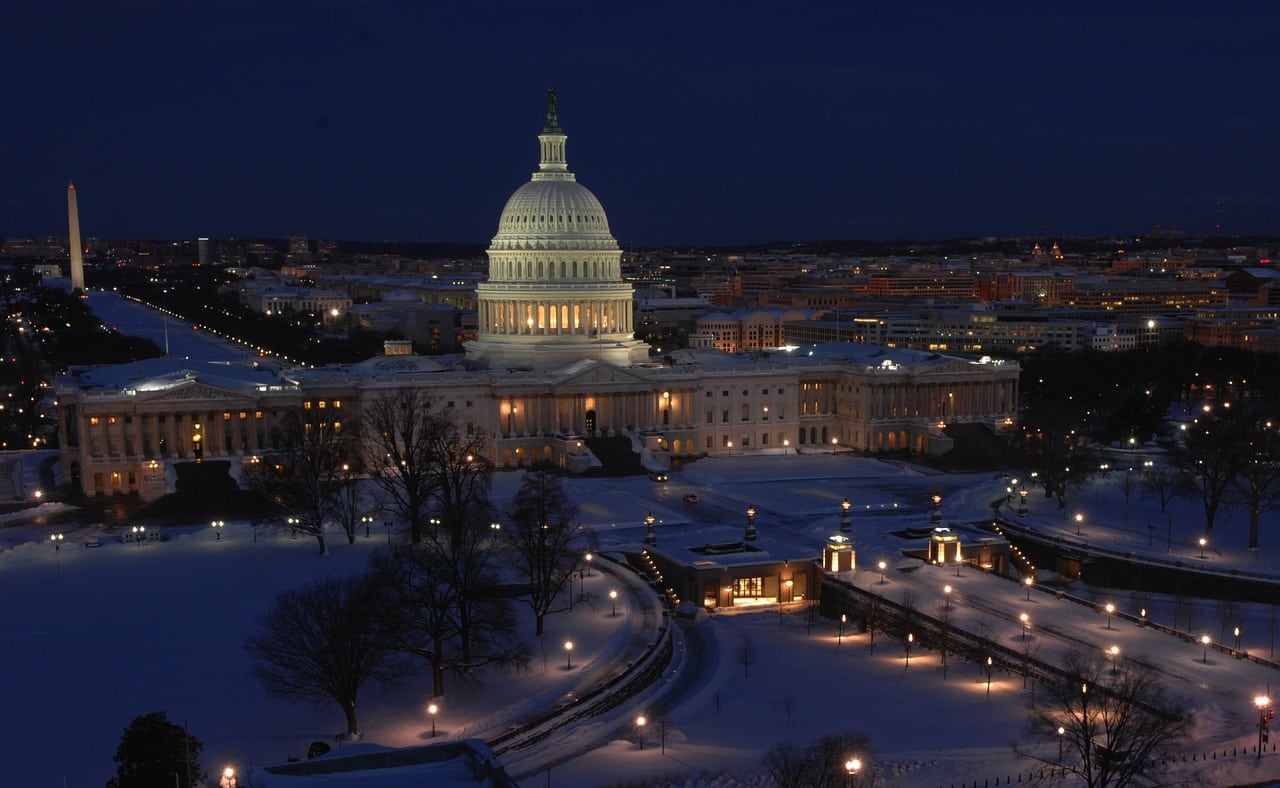
The CUSMA agreement, known in the U.S. as USMCA, is due for a joint review in 2026 — but insiders say it may happen sooner. The U.S. Trade Representative (USTR) has already launched preparatory steps including stakeholder consultations and Federal Register notices. Canada is watching closely.
“Our preference is to keep the review narrow,” said Boucher. “But we’re preparing for all scenarios, including the possibility of a full renegotiation.”
Boucher’s team is also working to address existing tariffs imposed under U.S. national security claims — specifically Section 232 duties on steel and aluminum. Although Prime Minister Trudeau and President Trump recently agreed to a 30-day negotiation window, that deal expires July 21.
In the meantime, Canada has launched consultations under both CUSMA and the WTO dispute resolution frameworks. The U.S., for its part, maintains that the tariffs fall outside the purview of these agreements due to national security exceptions — a legal stance Canada disputes.
China Adds to the Headache
While all eyes are on Washington, China has also ramped up its pressure. In response to Canadian trade measures on Chinese steel and electric vehicles, Beijing slapped 100% tariffs on Canadian oilseed and pulse exports, plus an extra 25% on seafood.
Consultations through the WTO have produced little progress. Still, Canadian officials continue to pursue high-level talks to reopen channels and resolve longstanding market access issues.
Canada has 15 free trade agreements covering 51 countries, and that number will soon rise to 53 with deals in Ecuador and Indonesia. AAFC sees regions like Southeast Asia and the Indo-Pacific as key growth areas, with the agri-food trade commissioner service and Indo-Pacific Agriculture Office leading engagement.
Still, Boucher acknowledges the uphill battle. “The reality is, no market is as frictionless for us as the U.S.,” he says.
Programs like the AgriMarketing initiative and the Canada Brand platform are supporting diversification efforts, and over $63 million in projects have been funded in 2025 alone. Yet nearly half of that funding is still focused on the U.S., China, and Japan.
—This article is based on a live presentation delivered at this week’s meeting of Seeds Canada in Quebec City.