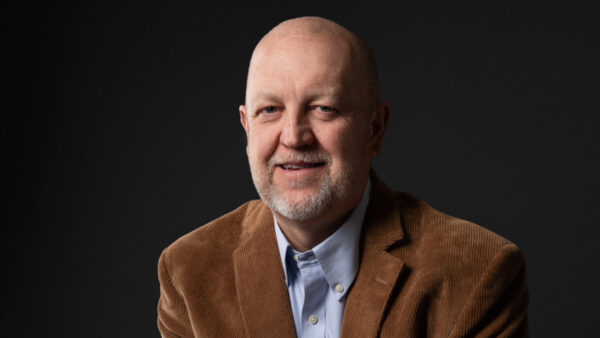
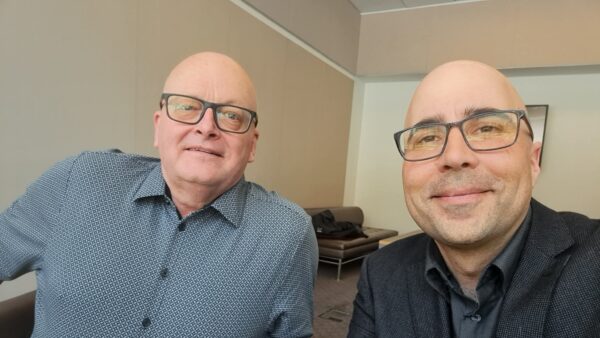
He helped modernize corn from pencil and paper to drones and genomics — now Klaus Koehler is retiring with one message: don’t forget the people.
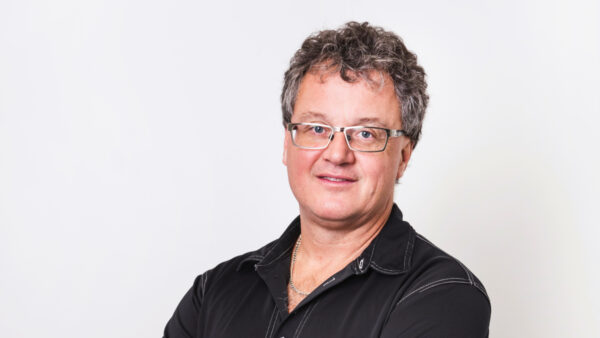
After decades spent reshaping the future of corn, Klaus Koehler is finally stepping back — but not stepping away.
The longtime Corteva Agriscience plant breeder and global talent development lead is something of a legend in the crop science world, though he’d never call himself that. With a soft-spoken demeanor and an unquenchable curiosity, Koehler helped steer corn breeding through some of its most transformative years—from the days of handwritten planting lists to drone-powered phenotyping and genomic prediction. Now, as he enters retirement, Koehler is taking a breath, looking back — and planning what’s next.
“It’s a strange feeling,” he admits. “You make so many connections with people. There’s real passion in this work, and suddenly, you’re not part of it in the same way anymore.”
But don’t expect him to disappear. “I still have plans,” he says with a smile. “I want to stay active, just in ways that give me more freedom to do what I really enjoy.”
A Career Measured in Patience — and Breakthroughs
Koehler built his career largely in corn, a crop he’s seen change dramatically. When he started, he was jotting planting lists by hand — no tablets, no software, no high-tech analytics. Today’s breeders, he says, work in tight-knit teams, navigating complex technology stacks and multi-layered datasets.
“Back then, there was more art to it. You had more independence as a breeder,” he reflects. “Now it’s deeply collaborative. More science. More systems. And honestly, in some ways, more fun.”
When asked if the younger version of himself could survive in today’s plant breeding landscape, he doesn’t hesitate: “No,” he laughs. “Definitely not.”
That’s not self-deprecation — it’s a testament to how much the field has changed. From doubled haploids to genomic selection to drone-enabled field scouting, Koehler says the evolution hasn’t just been scientific, it’s been cultural.
“There’s this myth that you can implement big change overnight. You can’t,” he says. “Introducing something like genomic selection isn’t just flipping a switch. You need years to build the lab systems, get the data flowing, develop breeder trust, and train people to use it right. And at every step, there’s resistance. You have to be patient.”
The Skill That Changed Everything
When pressed to name the one skill that defines success today, Koehler doesn’t reach for a technical term or flashy buzzword. Instead, he talks about people.
“You have to collaborate. You can’t do everything yourself anymore. You need to work constructively with people who specialize in things you once did alone — and trust that they’ll help you get to a better result.”
It’s that ability, he says, to shift from soloist to ensemble player that separates the good from the great in modern breeding programs.
Still, for all the changes in technology and teamwork, Koehler says one trait has stayed essential: belief.
“You need to believe in your capability. In the process. In the idea that, yes, it will take years. Yes, there will be setbacks. But you’ll get there.”
Reinventing What Comes Next
Now that he’s closing one chapter, Koehler says he’s excited to write the next—with fewer meetings and more space to pursue passion projects. He hasn’t shared specifics yet, but it’s clear he’s not done making an impact.
And if there’s a final word for the next generation of breeders?
“Remember the people,” he says. “At the end of the day, it’s not just about the genes or the yields. It’s about helping others succeed. That’s what really lasts.”