Researchers are reimagining everyday staples to withstand extreme weather while keeping flavour and quality intact.
In Nova Scotia, rows of strawberry plants are being put to the test. Each one could hold the secret to thriving in a future where weather is harsher, less predictable, and increasingly unforgiving. Across Canada, researchers are working to reimagine crops so they can survive — and even flourish — under the pressures of climate change.
Berries Built for Tomorrow
At Agriculture and Agri-Food Canada, berry breeder Béatrice Amyotte is leading large-scale trials of 288 strawberry varieties, part of a network that also includes blueberries, raspberries, and Canada’s first hardy blackberry. These aren’t just experiments in flavour; they are attempts to create fruit that can resist disease, yield reliably, and adapt to Canada’s diverse climates. The goal is simple but profound: berries that are as tough as they are tasty.
Digital Potatoes
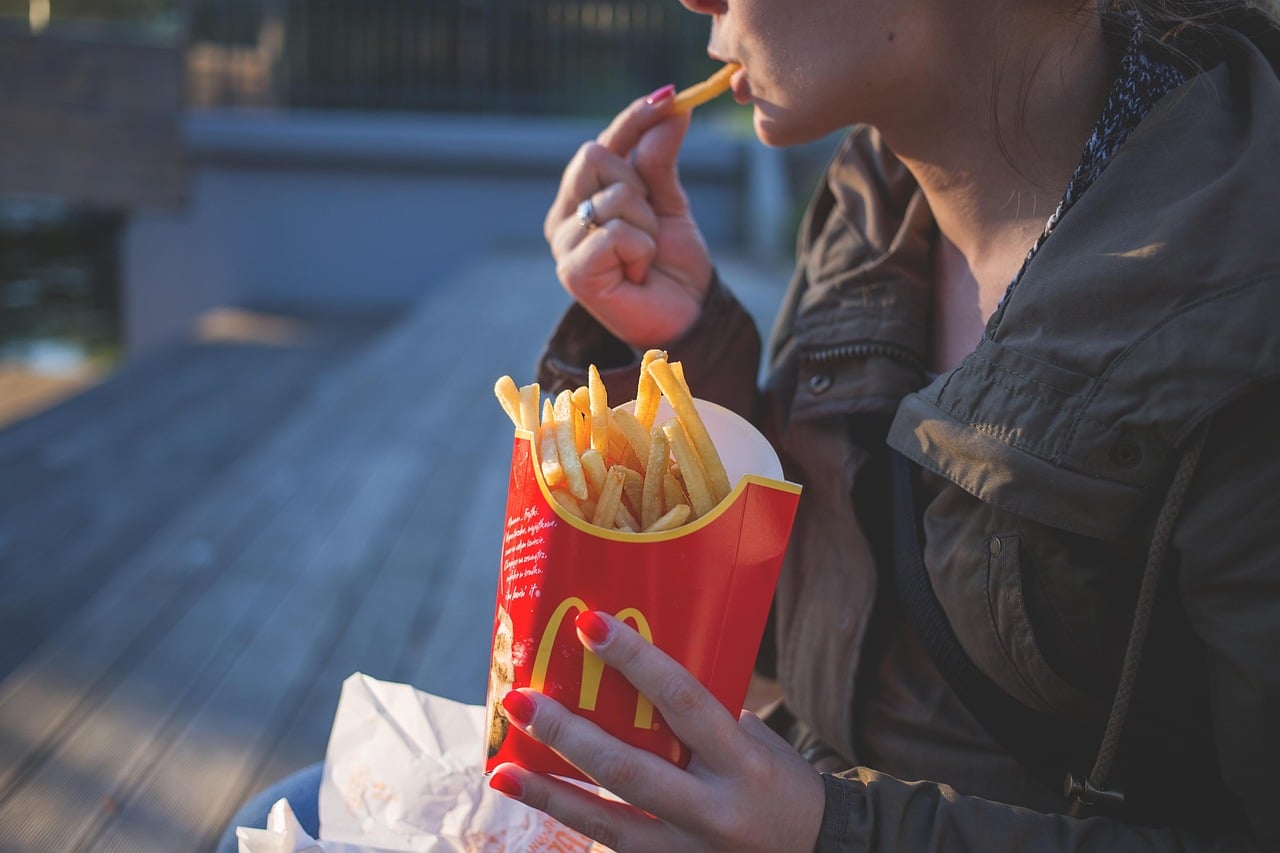
In Alberta, potato scientist Jonathan Neilson is developing a “digital French fry plant” — a model that simulates how potatoes respond to environmental stress. Since most Canadian potatoes are grown for processing, every detail matters: shape, size, fry colour. By analyzing data from seedlings to harvest, Neilson’s team is building tools to spot problems early, helping farmers protect both yield and quality in an unpredictable climate.
Forage for Acidic Soils
Meanwhile, in Nova Scotia, forage breeder Yousef Papadopoulos has created an alfalfa variety that can thrive in acidic soils—where conventional varieties fail. With successful trials across the Maritimes and Ontario, the work is now expanding west. Because alfalfa not only feeds livestock but also improves soil and reduces the need for fertilizers, the breakthrough could make farms more resilient and sustainable in regions previously unsuitable for the crop.
Cultivating Resilience
Together, these projects point to a common theme: resilience. Whether it’s berries bred for bold flavour, potatoes designed to withstand heat waves, or forage crops adapted to tough soils, Canadian researchers are building tools for a climate-smart food future. From farm fields to kitchen tables, the innovations taking root today could define how Canada feeds itself tomorrow.