In a country known for exporting raw ingredients, five new projects are flipping the script — keeping more value, innovation, and protein right here at home.
Last week, Protein Industries Canada announced a wave of investments aimed squarely at expanding the use of Canadian-grown and -processed ingredients. It’s part of the organization’s Strengthening the Canadian Supply Chain program — a plan that sounds bureaucratic but could change what ends up in your grocery cart. The goal: help Canadian brands swap imported inputs for domestic ones, fortifying food security and accelerating the shift to a more resilient, plant-based economy.
“By harnessing the potential of Canadian crops and ingredients through innovation, Protein Industries Canada is helping to overcome trade-related challenges while ensuring access to high-quality, locally sourced food,” said Industry Minister Mélanie Joly.
It’s a pragmatic response to the realities of global trade: tariffs, shipping costs, and geopolitical shocks. The program’s message is clear — if you want a secure food system, build it close to home.
From Field to Fridge, Closer Than Ever
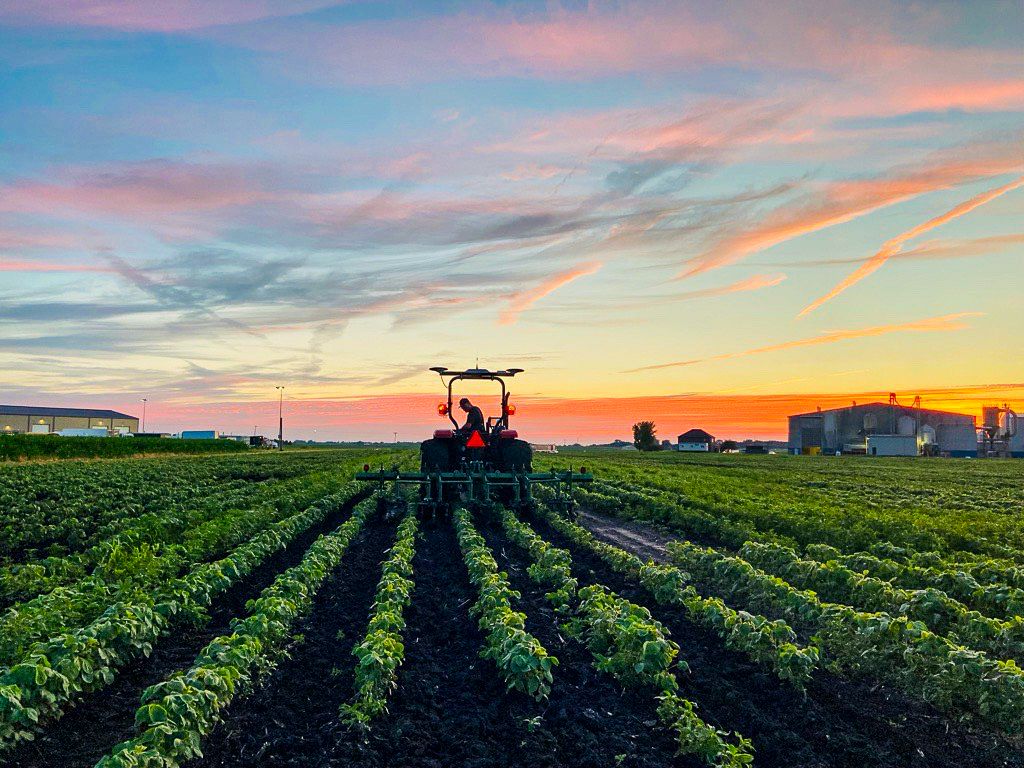
The projects span Canada’s agrifood ecosystem, from ingredient manufacturing to food processing, linking farmers directly to the brands consumers know. The results will be tangible — new foods, drinks, and snacks built from Canadian protein crops instead of imported ones.
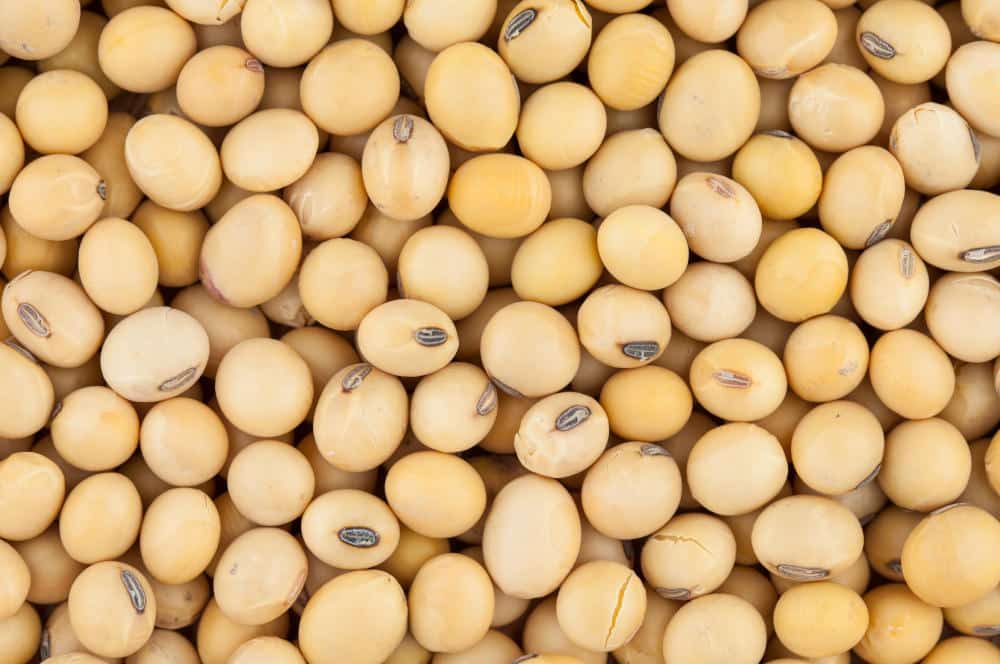
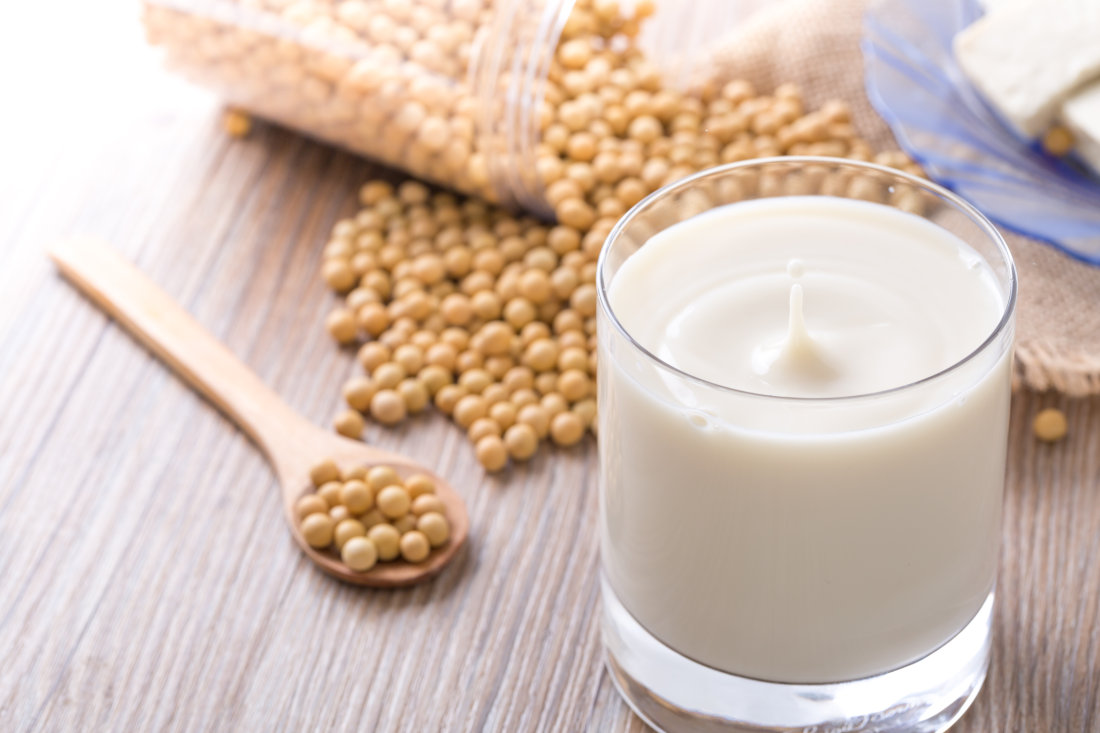
Earth’s Own Foods will transition its soy supply from U.S. farms to Canadian ones, creating the country’s first fully Canadian-made soy beverage.
Oat & Mill is ditching U.S.-sourced pea protein in favour of new Canadian ingredients, boosting sustainability and farmer income.
Cedar Valley Selections is reformulating its pita chips with Canadian pulses — cutting oil use, improving nutrition, and supporting local growers.
These shifts may seem small, but they represent a deeper transformation: replacing dependency with design.
Building the “Road to $25 Billion”
Protein Industries Canada — one of the country’s five Global Innovation Clusters — has invested $615,000 toward the $1.3 million total project value. The move fits into a larger, ambitious roadmap dubbed The Road to $25 Billion — a vision to make Canada the world leader in plant-based food, feed, and ingredients.
“Supporting Canadian companies to find innovative solutions to tariffs and other trade challenges isn’t just about resilience — it’s about competitiveness,” said Tyler Groenveld, Protein Industries Canada board chair. “This is how we turn Canadian crops into Canadian opportunity.”
The impact goes beyond grocery shelves. By keeping more ingredient processing and product formulation within Canada, these projects cut carbon-intensive shipping, create rural jobs, and tighten the loop between farm and fork.
“Our farmers and producers work tirelessly to produce reliable, high-quality food,” added Agriculture and Agri-Food Minister Heath MacDonald. “By including more homegrown ingredients in the products Canadians buy every day, these projects will support farmers and strengthen our economy.”