Why reliable diagnostics matter for everyone — from breeders and seed growers to global testing networks.
I recently had the opportunity to lead the creation of a new global resource: an online database designed to help seed testing labs correctly identify Fusarium.
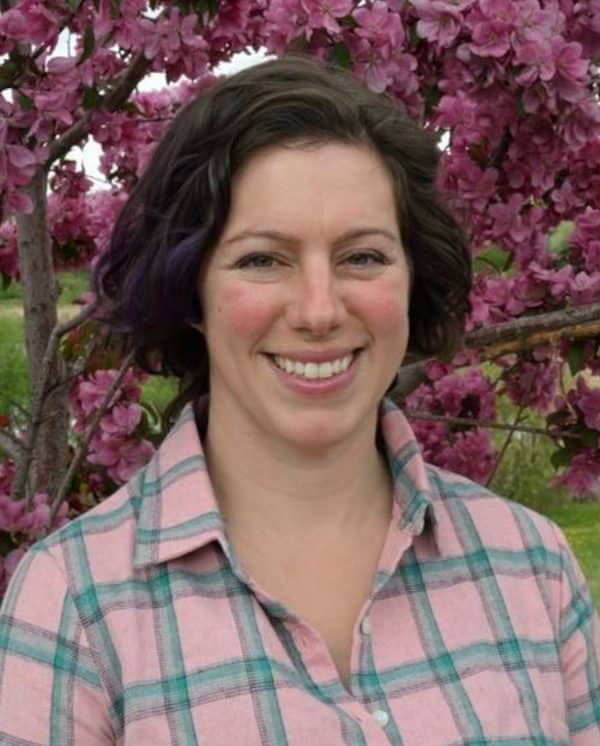
Developed through the International Seed Testing Association (ISTA), the project is the first of its kind — a shared, detailed image and training tool that ensures labs around the world can diagnose Fusarium consistently. As someone who has worked in seed health diagnostics for more than a decade at SGS, I knew how much a resource like this was really needed.
For me, the importance of this work comes down to one word: confidence. Whether you’re a seed grower, breeder, or industry professional, you should be able to trust that when you submit seed for testing, the results will be the same no matter which lab you choose. That consistency hasn’t always been there with Fusarium diagnostics, and this project aims to change that.
Fusarium is a deceptively complex pathogen. There are multiple species, each producing slightly different colours, shapes, and growth patterns depending on the type — and even the brand — of agar used. What looks pink in one lab might appear salmon in another. Early in my career, I realized how confusing this could be, so I started building my own binders of photos and notes to train new technicians. That resource worked well within our lab, but nothing like it existed on a global scale.
The ISTA project builds on that same idea, but at a much larger level. The database documents every detail that can influence appearance: top and bottom views of plates, spore images under the microscope, the brand of agar used, the type of lighting, and the number of days the colony has been growing. Every variable is tracked, so a lab technician in Canada, Germany, or India can arrive at the same identification with confidence.
The global collaboration behind this project is something I’m especially proud to be a part of. Experts from across continents contributed their time, expertise, and samples to ensure the resource reflects the true diversity of Fusarium. For many labs, especially those in developing regions, this database fills a gap that limited both training opportunities and diagnostic consistency. Now, anyone with internet access can consult the site and align their observations with internationally recognized standards.
Getting here wasn’t easy, but today, the website is live, free to use, and continually expanding with verified contributions from global labs. As more images and species are added, its accuracy and value will only increase, helping to elevate diagnostic standards everywhere.
Why does this matter? Because Fusarium isn’t just a lab concern. It reduces germination, produces toxins that threaten food and feed safety, and even causes quality problems in brewing. By giving labs the tools to diagnose it consistently, we’re strengthening the reliability of testing, protecting grower investments, and safeguarding the seed supply chain.
For me, that’s the real reward: fixing something that was broken and building a resource that makes our entire community stronger.