In the ever-evolving landscape of the seed industry, ensuring the quality and viability of seed products is paramount.
I’m participating in a CFIA-led committee regarding Chapter Four, Germination section amendments to Canada’s Methods and Procedures (M&P) for seed testing. These discussions highlight the pressing need for more accurate assessments of seed viability and the vital role industry stakeholders play in the review process.

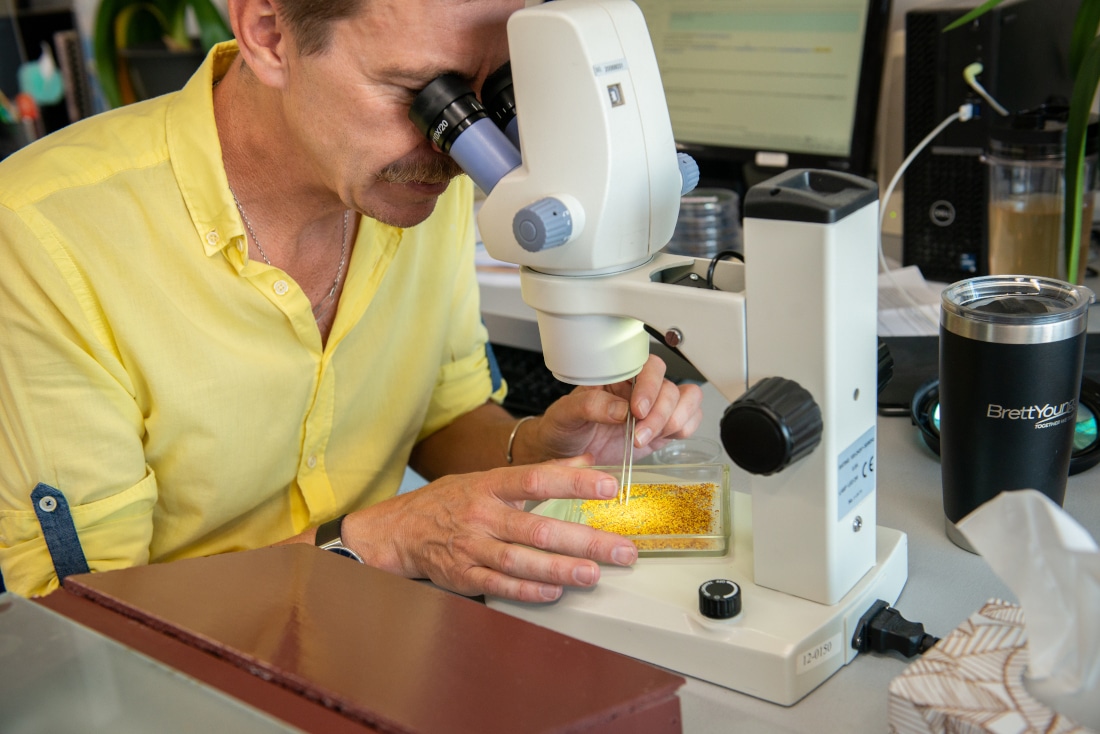
Currently, Canadian laboratories typically test only 200 seeds for germination, while many international standards necessitate testing of 400 seeds to ensure reliable results. This discrepancy presents significant implications for growers, especially those producing crops that hover near grade standards. If a crop is close to the threshold — be it 80% germination or any other metric — testing a larger sample size is crucial to ensuring that those figures accurately reflect potential market readiness. In an industry reliant on precise data, measuring 400 seeds can provide the clarity needed to make informed decisions.
While the prospect of increased testing costs may raise eyebrows, it’s important to weigh this against the long-term benefits. Investing in enhanced germination testing methods offers a robust solution for supporting precision agriculture. Having reliable data allows farmers to optimize their seeding rates and crop management strategies, which can lead to healthier plants and improved yields in the long run.
The work of our committee is multifaceted, as we aim to refine not just the seed testing parameters, but the entire framework surrounding seed quality in Canada.
The proposal for these changes stems from an increasing recognition that existing methods may not be adequately preparing our growers for the demands of the market. Our discussions emphasize the importance of improving definitions and methodologies within the M&P. This includes clarifying how to handle new crop varieties that may not be included in current testing guidelines. As we look to modernize and adapt to changing agricultural trends, having a clear, consistent process is essential for all stakeholders involved.
The benefits of enhancing germination testing standards extend beyond just ensuring quality seeds for producers. They also significantly impact farmers who depend on these seeds to achieve optimal yields. Providing growers with access to reliable data fosters an environment where they can make informed planting decisions. This, in turn, leads to higher quality products entering the market, benefiting consumers and the agricultural community alike.
The issue of transparency in the seed industry is becoming increasingly important. Consumers and stakeholders demand to know that the seed they’re purchasing is of the highest calibre. We must strive to establish standards that not only maintain but elevate our reputation in the global market. Enhancing our testing methods signals our commitment to quality and accountability, shifting the narrative back toward consumer trust and industry integrity.
The conversation around germination testing also includes broader implications for the industry as a whole. With advances in technology and farming practices, we have a responsibility to re-evaluate existing standards to ensure they reflect current needs. For instance, precision agriculture relies heavily on accurate seed data to inform decisions around planting and resource allocation. By aligning our germination testing processes with these modern agricultural practices, we can position ourselves as leaders in sustainable farming.
As we move forward, collaboration will be key. The Chapter Four amendment committee is committed to gathering insights from all facets of the seed industry. Your experiences and perspectives are invaluable in shaping effective testing practices and driving positive change. Whether you’re a grower, researcher, or member of the agricultural community, I encourage you to participate in this dialogue.
Engaging in these discussions is not merely about adhering to regulations; it’s about empowering our growers with the information needed to thrive. By refining our testing standards and protocols, we can build confidence in our agricultural products and secure a prosperous future for the seed industry in Canada.
As we embark on this journey of improvement, I look forward to collaborating with all stakeholders to ensure that we don’t just meet standards, but exceed them. Together, we can unlock the full potential of our agricultural industry and foster a robust environment that benefits everyone involved.