Why harmonizing seed science across borders is now the key to protecting seed quality and global supply.
Seed quality testing today means operating in an environment where borders matter, but consistency matters more. With responsibilities for business development across both Canada and the United States, we’ve come to see how essential it is that our services and quality flow seamlessly from one country to another.
Our customers don’t think in terms of separate markets; they think in terms of production, movement to market, and performance, often across multiple regulatory systems. Our commitment is to ensure the science follows that same path with uniformity.
What Effective Cross-Border Collaboration Looks Like Today
A large portion of the seed moving through North America has connections to both the United States and Canada. Many companies produce, clean, source, treat, and test seed on both sides of the border, and they expect results that speak the same scientific language, whether the testing follows Canadian regulations (CFIA), Association of Official Seed Analyst rules (AOSA) or international standards (ISTA).
To meet that expectation, we work as one team delivering the same service, regardless of which laboratory the sample lands within North America. That’s particularly important right now, as many of our forage, grass seed, and cover crop clients are in peak trading and export seasons.
And movement has become more challenging. We’ve seen adverse conditions for both physical seed shipments and seed sample transfers to our laboratories. Being able to operate as one integrated system helps us become the solution by removing obstacles instead of adding to them.
Ensuring Scientific Consistency Across Regulations and Distance
Scientific alignment between multiple laboratory sites is our focus at SGS and is never something to take for granted. Consistency takes deliberate effort. Our seed analyst teams perform validation studies, matching procedures and harmonizing evaluation criteria.
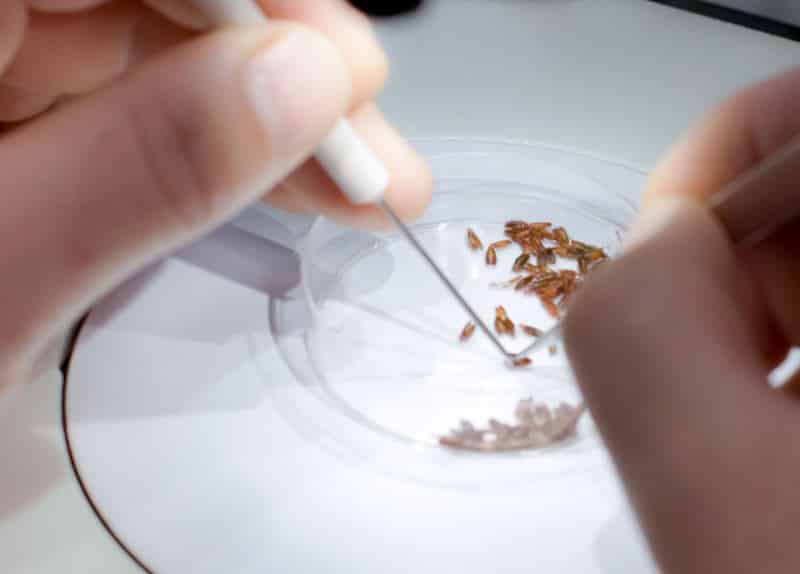
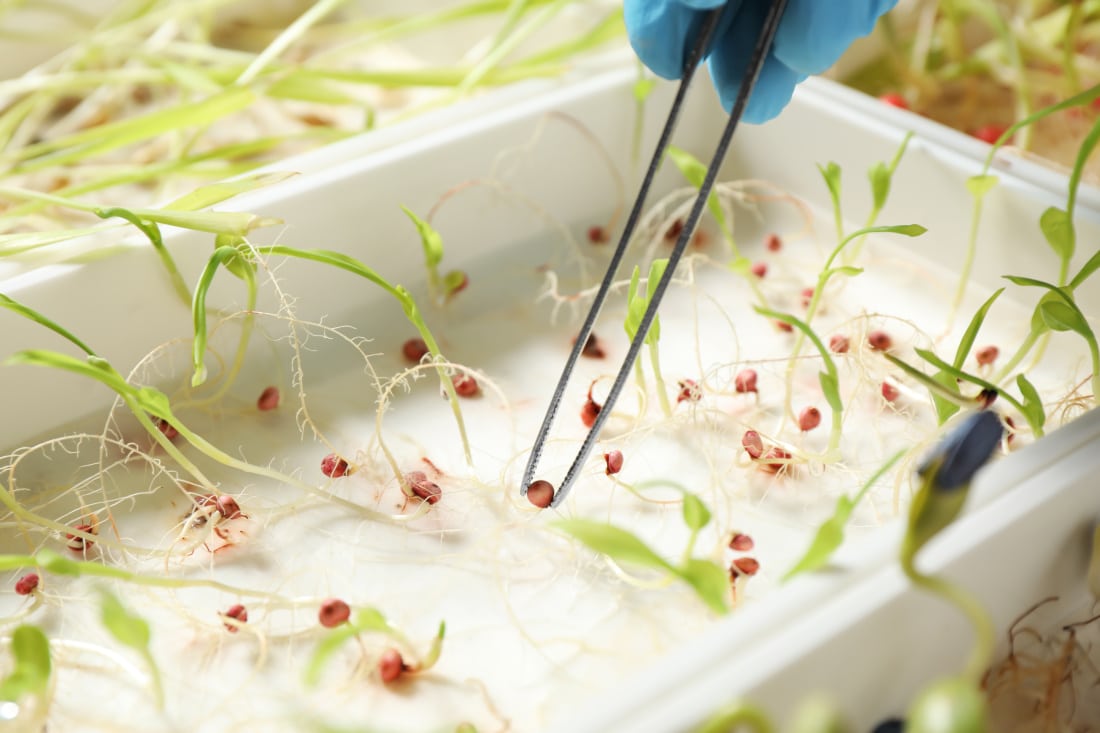
Technology has made this simple. Instead of sending static photos back and forth, we now compare germination tests and grow-outs through real-time video. As example, a seedling tray in the US (SGS Brookings, South Dakota) is compared directly to the same seed lot germinating in one of our Canadian accredited laboratories (SGS Sherwood Park or SGS Grande Prairie), confirming interpretations match. We’re thousands of kilometres apart — yet side by side in the data.
A Recent Example: Testing Treated Seed Across Borders
One recent case involved a client struggling to move treated seed across the border. They needed the exact same vigor method applied in both countries.
To execute, we exchanged methodologies, ran comparison tests, and evaluated seedlings collaboratively via video. We then conducted a full validation study to build client confidence: testing thoroughly mixed and split samples in each lab, independently, to ensure the outcomes aligned.
It reminded us how crucial the human element still is. Even as we explore AI-based evaluation tools, which hold tremendous future potential, there is still no substitute for trained seed analysts evaluating subtle nuances from crop year to crop year.
A Global Perspective Strengthened by Shared Expertise
Our North American structure gives us a unique advantage. We operate under unified quality goals, reinforced by national regulations and international standards. We also participate directly in global rule development through ISTA committees, which ensures new test methods arrive at all our labs simultaneously.
Seed lots move back and forth across the border year-round, and our labs support that movement with import conformity assessments, APHIS documentation, federal noxious weed examinations and ISTA Orange International Certificates (OIC). With such comprehensive technical competencies, we help customers send seed one direction and back again, all with confidence in the reliability of the data supporting those shipments.
Leadership in a Technical, Fast-Moving Industry
Leading in this environment requires one skill above all: listening. Before we talk about quality, methods, or innovation, we need to understand customer goals: what risks they desire to be measured, what brand promise they’re trying to uphold, what market requirements exist.
Relationships in this industry are built over years. Staying connected means continuing the conversation every time clients add crops to their portfolio; add staffing, updates equipment or when a client takes on a new mandate. The seed industry is dynamic, and those personal connections are what keep us aligned with our evolution.
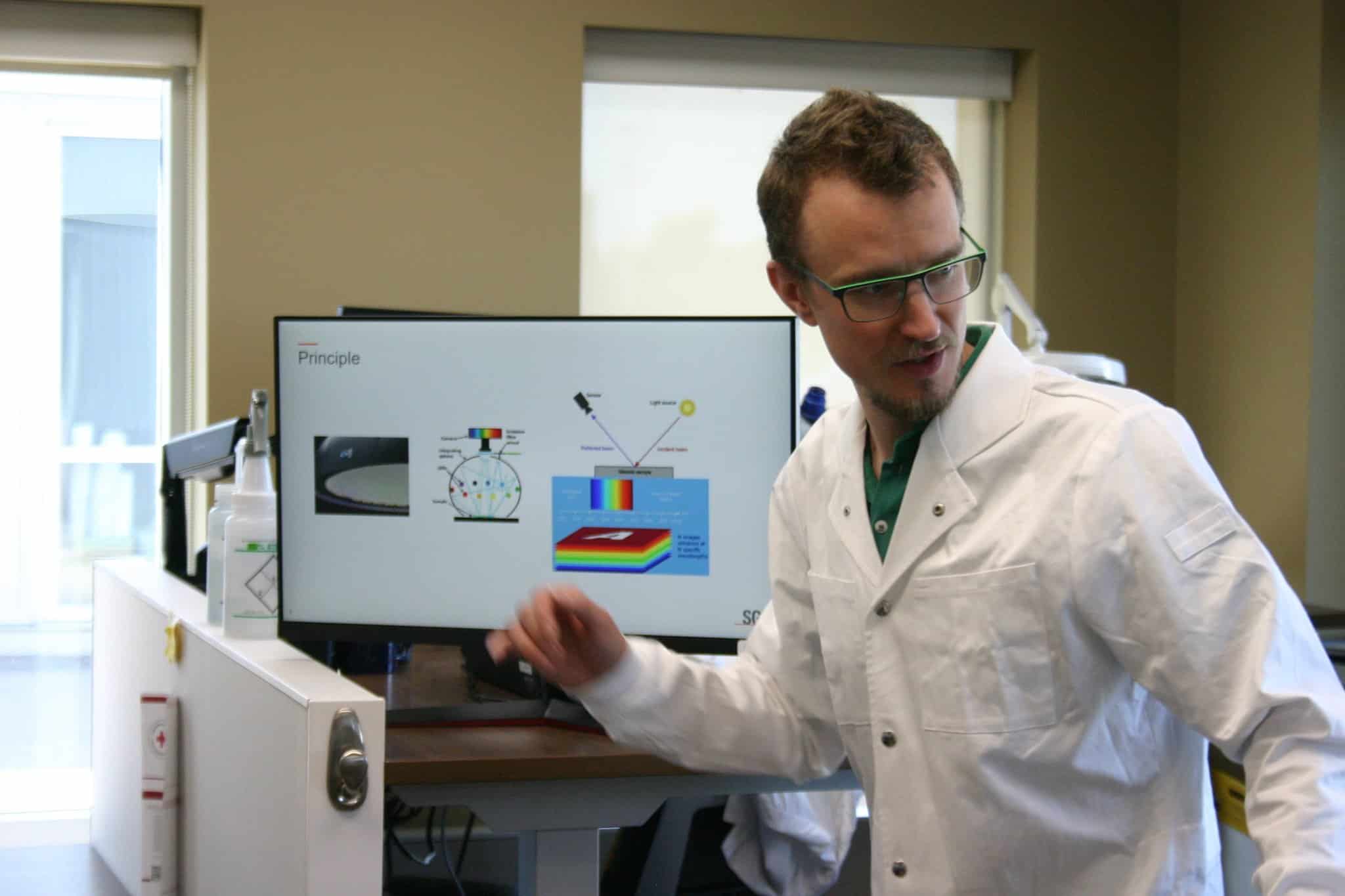
Innovation plays a major role, too. Many of the new testing tools emerging today aren’t regulated, but they offer valuable supplemental data for customers who want to benchmark seed lots beyond traditional certification requirements. That’s where things get exciting and where we can bring entirely new ways of analyzing seed quality to the table.
Looking Ahead: A Future Full of Challenges — and Opportunity
The future demands adaptability. Regulatory pressures are increasing, such as the removal of the U.S. $800 de minimis threshold for shipments, global phytosanitary expectations are adding friction, and countries are sourcing grain from new partners.
But one thing remains clear: maintaining the free movement of seed is critical, not just for trade, but for food security.
Cross-border collaboration isn’t just a strategy. It’s the foundation that keeps innovation moving, trade flowing, and the seed industry growing stronger — no matter what challenges come our way.
To learn more about our seed quality control solutions, visit our website.
—Holly Gelech serves as SGS Canada Senior Business Development Manager and Amanda Patin is SGS USA Business Development Director