Real influence empowers others — and we could all use more of that.
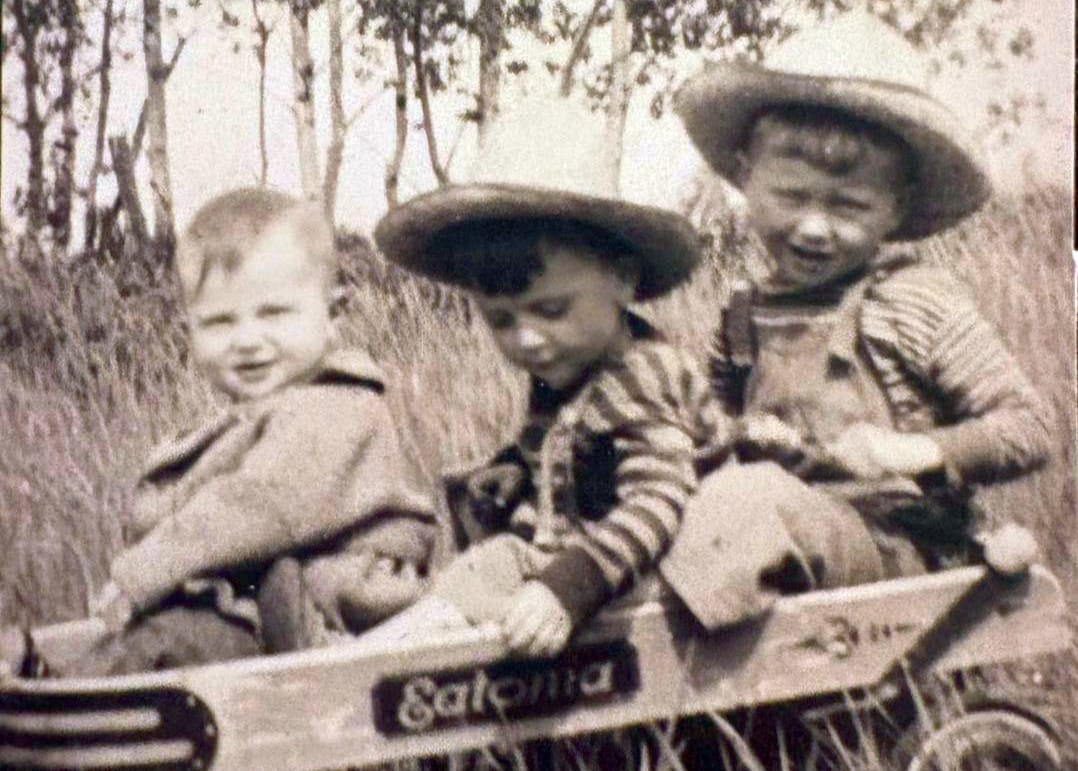
Back in the early 1980s in a small town east of Winnipeg, Man., I learned some of my first lessons about influence. It wasn’t the loud kind that fills rooms or makes headlines; it was the ‘leading by doing’ kind that changes people, industries, and — for me, at least — whole directions in life.

I didn’t know it at the time, but I was growing up inside a story I’d spend decades trying to find the right words to tell. The story centres on one family — the Andersons — which became my second family.
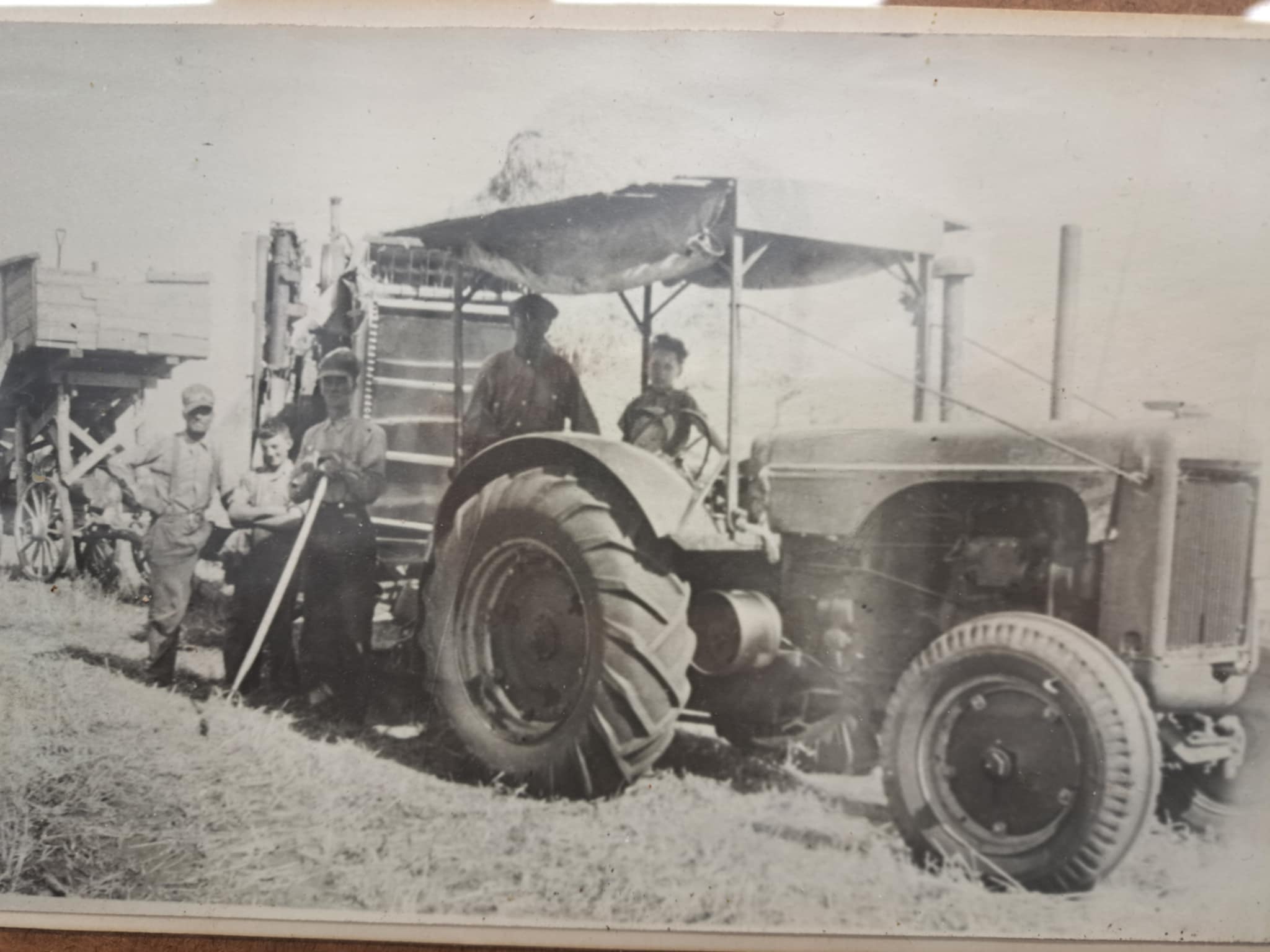
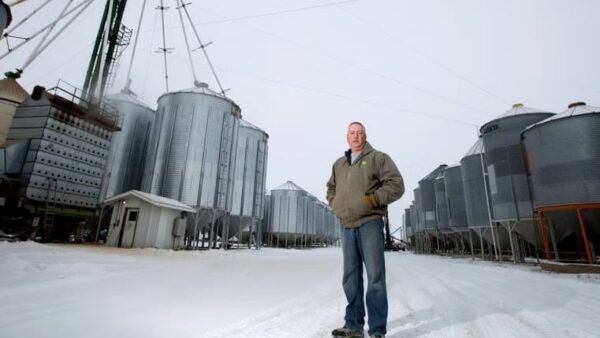
This was in Dugald, Man., population maybe 300 at the time. There was patriarch Bob Anderson, an earnest farmer whose handshake, I learned early, held more commitment than most contracts. Working alongside Bob, I heard some great stories and learned some valuable life lessons.
There was Joan Anderson, the matriarch, who ran their household with the kind of quiet authority that would make you think England hadn’t lost its queen after all. If confidence had a voice, it would have sounded like hers. She was my mentor before I even understood what a mentor was.
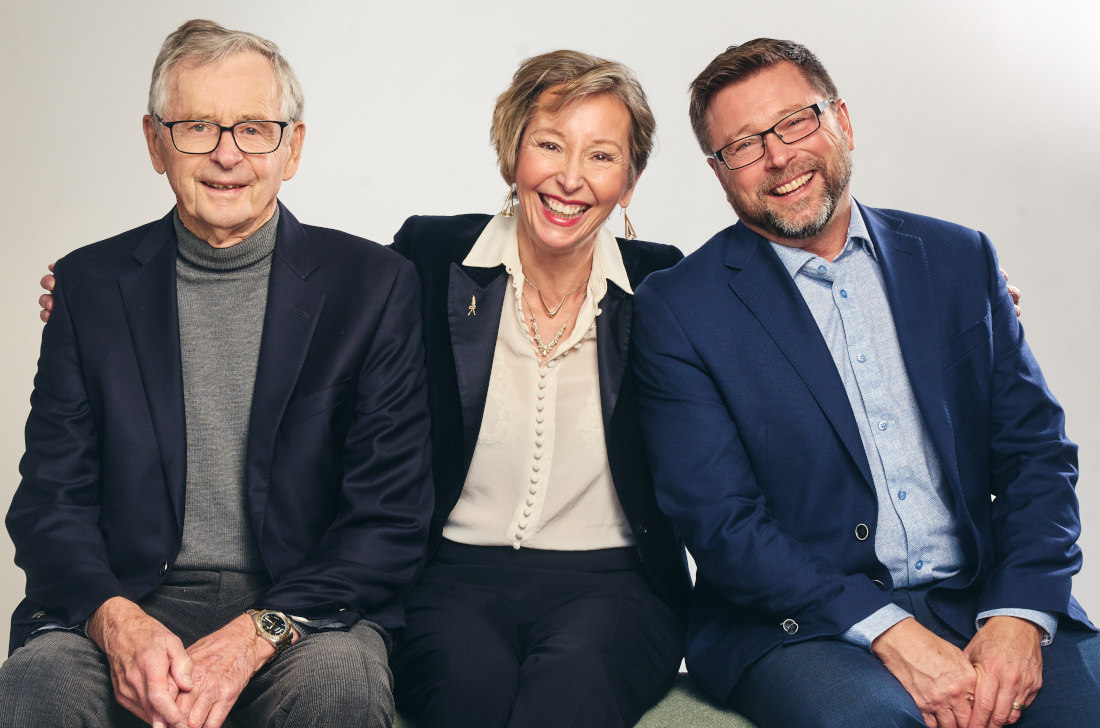
From that somewhat unlikely pairing came Robynne and Chris Anderson: two of the sharpest minds in our industry. Robynne is the type who can literally walk into the United Nations and get them to stop and listen. Chris is a talented CEO and can move seamlessly from the lab to the boardroom to the field, making him one of agriculture’s rare ‘three-tool players’ who earns respect in every arena.
Together, the Anderson family had a remarkable balance: enough confidence to speak, enough humility to listen, and enough courage to act. That combination builds something far more powerful than expertise. It builds credibility: the kind that quietly shaped a young man like me and today shapes Canada’s seed sector.
They may have grown up in a tiny Manitoba town, but they’ve always moved through life as if the whole world were just another part of their community. When I look back, what I really learned from the Andersons wasn’t how to succeed.
It was how to hold space: for ideas, for people, for evolution. The Andersons would hate being called heroes, which, of course, is partly why I know they ARE.
They never set out to be the heroes of anyone’s story. If anything, they saw the seed industry itself as the thing worth lifting up — the real protagonist they were working to strengthen. I think that’s exactly the point: their influence wasn’t about spotlight; it was about shaping something bigger than themselves.
Industries, like people, need a guiding light. They need examples of how influence can be earned without volume, how leadership can grow quietly, how credibility is built not by being right all the time, but by being willing to say what you think — and equally willing to adjust when you’re wrong.
What the Andersons give us — through mentorship, through founding companies, through scientific leadership, through everyday conversations — is space: to learn, to think, to grow. When people have the confidence to put their ideas into the world and the humility to let those ideas be shaped by others, entire industries evolve.
In a time when being loud is often mistaken for having impact, I keep circling back to the lessons I learned in that small town just east of Winnipeg.
The Andersons show that leadership can be quiet, steady, and deeply credible. That’s exactly why the real story here isn’t a tribute or a list of achievements — it’s a reminder: Real influence isn’t about demanding attention.
It’s about enabling others to do more than they thought they could.
We could all stand to be a bit more like the Andersons.