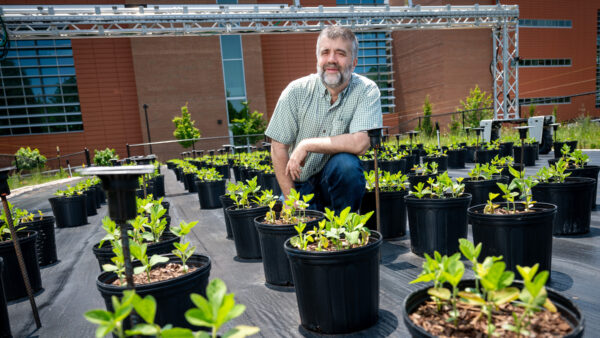
Certified seed, improved genetics and proven practices show how agriculture is delivering sustainability today. Listen to our latest podcast episode recorded live at the recent Interprovincial Seed Growers Meeting in Ottawa, Ont.
When many people hear the word sustainability, they picture rules, red tape and rising costs.
But in modern agriculture, sustainability is becoming something very different — a business strategy that helps protect margins, manage risk and ensure long-term food security.
Across Canada’s seed sector, growers, retailers and exporters are quietly proving that sustainability isn’t about adding complexity. It’s about doing what agriculture has always done best: producing more with fewer resources while strengthening resilience.
What Does Sustainability in Agriculture Really Mean?
“Sustainability” is one of the most talked-about — and least clearly defined — terms in agriculture.
The challenge isn’t a lack of sustainable practices. Canadian farmers already lead globally in soil conservation, efficient fertilizer use, reduced tillage and responsible land stewardship. The real issue is how sustainability is defined, measured and communicated.
For many in the seed industry, sustainability is best understood as continuous improvement:
- Increasing productivity without increasing inputs
- Strengthening resilience against weather, pests and disease
- Protecting both environmental and economic viability
In other words, sustainability only works if farms remain profitable. A system that undermines farm economics is not sustainable at all.
Why Sustainability Matters to Consumers
Consumers increasingly want to know where their food comes from — and how it’s produced.
Seed retailers and growers sit at the very beginning of the food system, making them critical to that story. From plant genetics to agronomic advice, decisions made early in the supply chain ripple all the way to grocery store shelves.
When agriculture clearly defines sustainability on its own terms, it builds trust. When it doesn’t, others define it instead — often without understanding how farms actually operate.
Certified Seed: A Foundation of Sustainable Farming
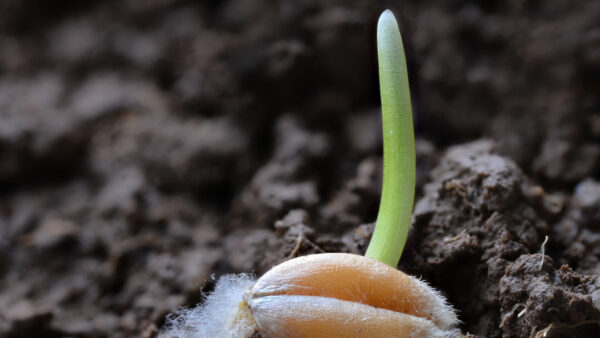
One of the most overlooked sustainability tools in agriculture is certified seed.
Certified seed:
- Ensures genetic purity and traceability
- Supports local production and reduces transportation emissions
- Improves yields, disease resistance and crop uniformity
- Lowers risk for growers, exporters and end users
Advanced genetics — such as insect-tolerant corn or disease-resistant wheat — reduce the need for additional inputs while increasing reliability. These gains often go unrecognized in sustainability scoring systems, despite delivering measurable environmental and economic benefits.
For consumers, certified seed supports a more transparent, resilient food system from the ground up.
Sustainability is Already Happening on Canadian Farms
Across Canada, sustainability is embedded in everyday farming practices:
- Crop rotation to protect soil health
- Conservation tillage and no-till systems
- Precision fertilizer placement
- Responsible crop protection use
- Safe handling and storage systems
Independent audits consistently place Canadian farms among the lowest environmental footprints globally, often ranking Silver or Gold in international sustainability benchmarks.
The challenge isn’t changing how farmers farm — it’s proving what’s already being done without drowning growers and retailers in paperwork.
Moving Beyond Checklists and Audits
One of the biggest barriers to sustainability adoption is “checklist overload.”
Successful frameworks work because they align with existing regulations rather than duplicating them. When sustainability programs recognize national standards and proven practices, they reduce audit fatigue while maintaining credibility.
The goal isn’t more forms — it’s clear, consistent language that reflects real-world agriculture.
How Retailers Bridge the Gap
Seed retailers are uniquely positioned at the center of the value chain. They connect:
- Plant breeders and genetics
- Seed growers and conditioners
- Farmers and end markets
- Policy, certification and consumer expectations
By using shared, practical sustainability language, retailers can:
- Help farmers demonstrate responsible practices
- Support market access and traceability
- Communicate agriculture’s sustainability story clearly to consumers
Most importantly, they can show that sustainability isn’t a trend — it’s already part of Canadian agriculture’s DNA.
Sustainability That Works for the Future
The future of sustainable agriculture doesn’t depend on reinventing farming. It depends on:
- Simple, shared definitions
- Aligned, light-touch frameworks
- Recognition of certified seed and genetics
- Honest communication rooted in real practices
Canadian agriculture already has a strong sustainability story. By telling it clearly and credibly, the seed sector can strengthen consumer trust, protect farm profitability and ensure a resilient food system for generations to come.