
After 25 years designing seed plants, here are the hard-earned lessons that only come after building a third facility — and how to design smarter the first time.
Most people don’t start with their third seed plant. They start with their first. If they’re lucky (or stubborn enough), they get to build a second. By the time they’re thinking about number three, something shifts. The question is no longer What do we need today? It becomes What do we wish we had known the first two times?
After 25 years in this business, I’ve learned this: seed plants don’t fail because equipment wears out. Seed processing equipment lasts a long time. What fails is flexibility.
Things Will Change, Whether You Plan for It or Not
One of the biggest lessons of the third plant is knowing that change is inevitable. Crops change. Volumes change. Markets, regulations, and technology all change too.
What makes life difficult is when early design decisions box you in. We see it all the time — equipment pinned into a corner because that’s how it was laid out 30 years ago. Now someone is trying to integrate modern technology into a space that was never designed for it. Operationally, from a service standpoint, and from a sanitation standpoint, that’s a challenge.
That’s why today’s builds focus far more on access, serviceability, and sanitation. It’s no longer just about throughput. It’s about dust control, operator comfort, fast cleanouts, and quick changeovers. Seed companies want to get back up and running, safely and efficiently.
No Two Seed Plants Are the Same
There’s a myth out there about “cookie-cutter” designs. We’ve never built two seed plants the same. Even when we sell the same equipment, it’s never installed the same way twice.
Years ago, I sketched a “third plant” concept on a napkin in an airport with a colleague from Cimbria. Those rough ideas turned into 3D renderings that still hang behind our trade show booth today. What surprises me is how many people point to those drawings and say, “How do I build that?” — and then go home and do exactly that.
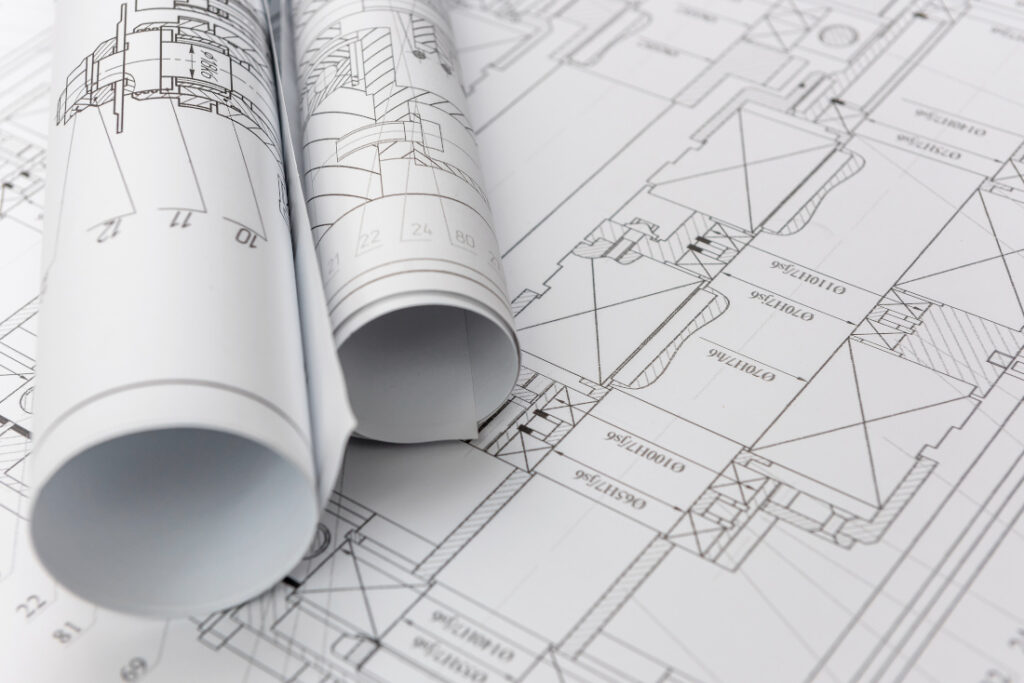
It reinforced my belief in getting a drawing done early. Modern 3D modeling lets us identify access, sanitation, and future expansion challenges before a plant is built (when they’re still easy to fix). That’s the wisdom of the third plant: learning from past mistakes in advance. We also design for the unknown by leaving space for the “magic wand,” a future piece of equipment that may not exist yet, because flexibility is far cheaper than retrofits.
Experience shows that good ideas transfer across crops, and training is just as critical as equipment. Even the best-designed plant won’t perform if people don’t know how to run it. Hands-on training builds confidence and long-term value, helping a first plant operate with the insight and foresight of a third.