Renewed engagement, tariff relief and ongoing dialogue with China are being welcomed by the seed and agri-food sectors as exporters look for stability and market predictability.
Renewed engagement between Canada and China is being welcomed across the agri-food sector, with seed industry stakeholders closely watching what improved market access and predictability could mean for exports, planting decisions and long-term investment.
The Canadian Agri-Food Trade Alliance (CAFTA) says recent developments mark an important first step toward restoring stability in the bilateral trading relationship, following years of uncertainty caused by tariffs, non-tariff barriers and abrupt trade disruptions.
Canadian agri-food exporters — including those tied directly and indirectly to seed production — have faced challenges serving one of the world’s largest agricultural markets. Against that backdrop, renewed dialogue, reduced tariffs and progress on unresolved issues are being viewed as a positive shift.
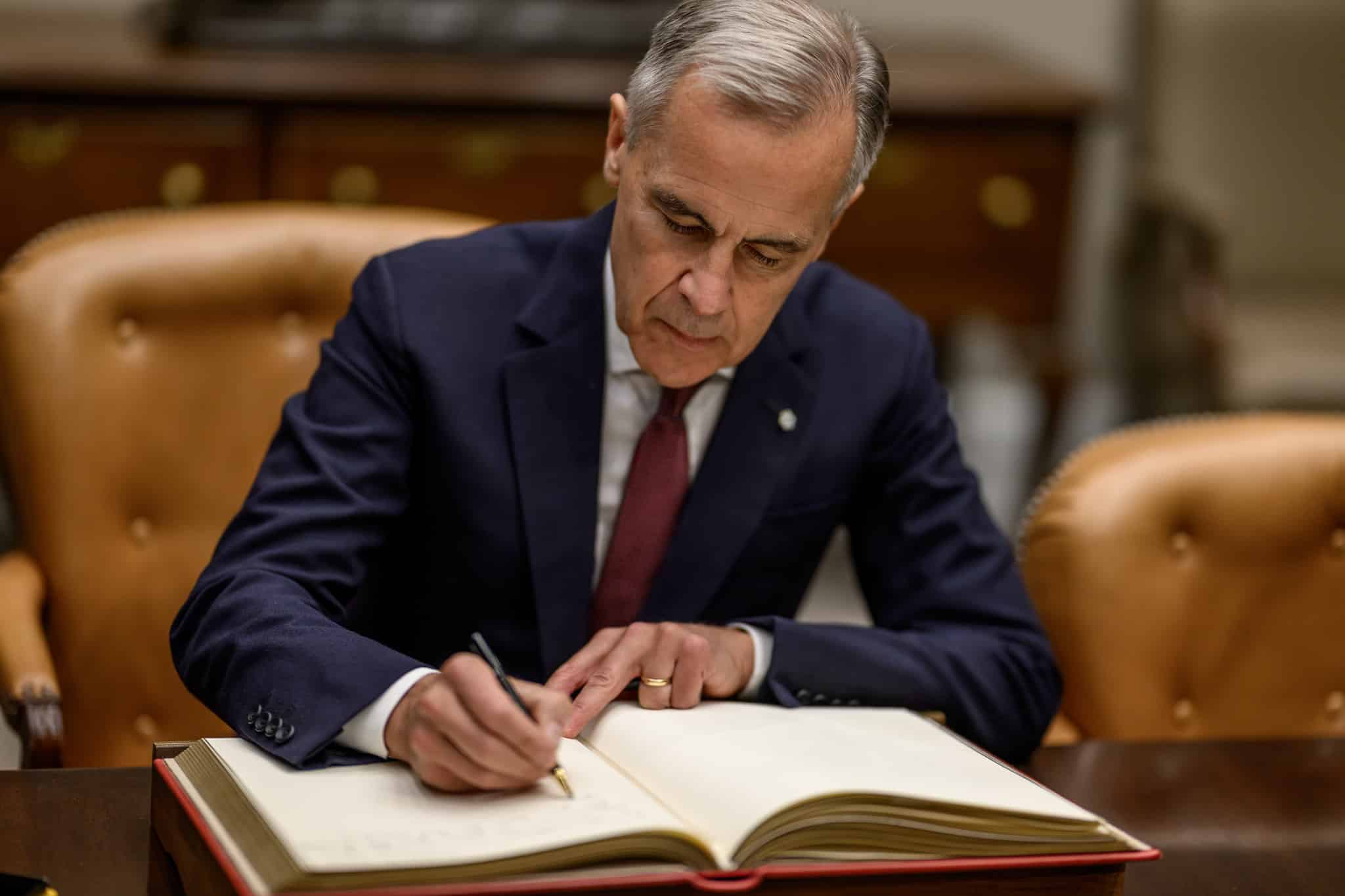
“The prime minister has shown leadership that creates new opportunity for the Canadian agri-food industry” said Greg Northey, president of CAFTA, in a press release. “We have long called on the Canadian government to engage with China to support our ability to export to China without trade barriers — last week’s developments are a breath of fresh air.”
For the seed sector, stable and predictable trade frameworks are critical. Market access conditions influence everything from acreage decisions and trait development to investment in breeding programs and export-oriented seed multiplication. Export-oriented agriculture depends on clear, rules-based systems to support long-term planning across the value chain.
“The potential for more Canada-China agri-food trade is vast as Canada produces the products that Chinese consumers want to purchase” added Michael Harvey, executive director of CAFTA. “Continued engagement with China by government officials at all levels will be required to seize the momentum of this new era.”

Canola Tariff Relief a Key Signal for Seed Markets
The announcement includes significant tariff relief for Canadian canola seed and meal, welcomed by both the Canola Council of Canada (CCC) and the Canadian Canola Growers Association (CCGA). Under the agreement reached between Canada and China, tariffs on Canadian canola seed imports are expected to be reduced to 15% as of March 1, 2026, while current 100% tariffs on canola meal are expected to be removed as of March 1, 2026, until at least the end of the calendar year.
“The agreement reached on canola seed and meal is an important milestone in Canada’s trading relationship with China,” says Chris Davison, CCC president & CEO, in a press release. “The Canadian canola industry has been clear since the outset that these tariffs are a political issue requiring a political solution. We are pleased to see significant progress in restoring market access for seed and meal and will continue to build on this development by working to achieve permanent and complete tariff relief, including for canola oil, moving forward.”
For seed producers and technology developers, canola market access has direct implications for demand, pricing signals and grower confidence heading into upcoming planting seasons.
“With most of the 2025 canola crop stored on farm, and planting of the 2026 crop only months away, canola farmers are looking for predictability and confidence in the ability to market their canola,” says Rick White, president & CEO at CCGA. “We are pleased to see this significant progress and will be looking for resumption of canola movement in the future.”
Canadian exports of canola and canola products to China were valued at approximately $5 billion in 2024, but that figure is expected to drop to less than half in 2025 due to trade disruptions. China remains Canada’s largest market for canola seed and the second-largest market for canola meal.
Looking Ahead
The Canadian canola industry also highlighted the establishment of a new Canada-China Economic and Trade Cooperation Roadmap and a revitalized Canada-China Joint Agriculture Committee, mechanisms that could play an important role in resolving remaining tariff and market access issues.
For the seed industry, these developments signal cautious optimism. While challenges remain, renewed engagement with China may help restore confidence, influence crop planning decisions and shape future investment in genetics, breeding and export-focused innovation.