As AAFC navigates research and staffing transitions, clear communication can help farmers and the seed sector plan for the next phase of Canadian agricultural innovation.

Today’s Agriculture Day is a moment to celebrate the people, partnerships and public institutions that help Canadian ag remain competitive, resilient and innovative. It’s also a natural time to reflect on how agricultural research in Canada continues to evolve, and how transparency and communication can help the entire sector move forward together.
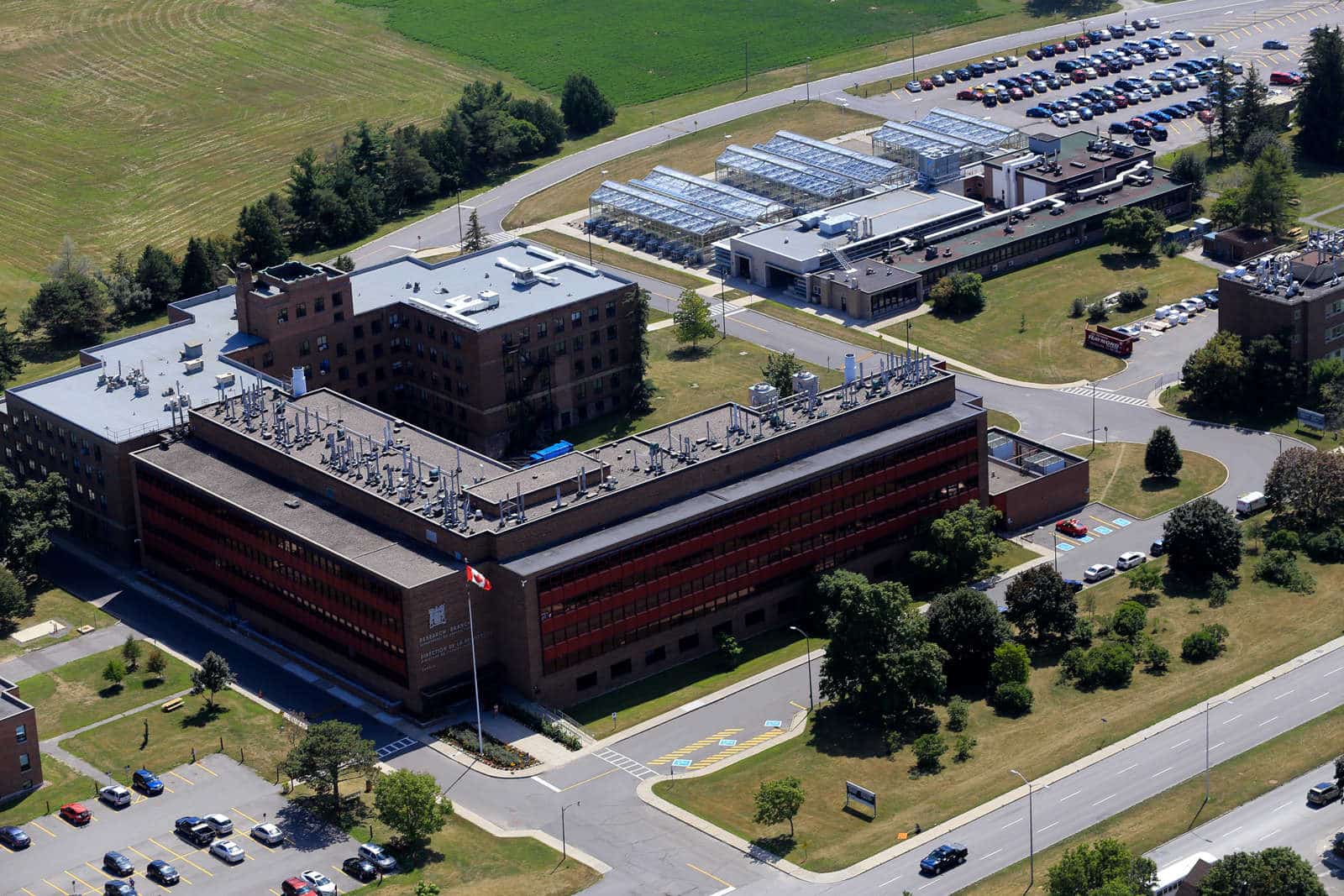
Agriculture and Agri-Food Canada (AAFC) is currently navigating a period of transition. Like many federal departments, it is working through workforce adjustments and internal decisions that will shape how its research programs operate in the years ahead.
Other than some sporadic confirmations to media about closures and layoffs, AAFC has not yet publicly released formal details on these changes, and that’s understandable. Staff have been given time to make decisions, and ensuring fairness and clarity for employees must come first.
At the same time, farmers, seed producers and research partners are naturally eager to understand how AAFC’s research priorities will take shape as this process unfolds. Public research plays a unique role in Canadian agriculture, particularly in long-term plant breeding, pre-commercial innovation and region-specific agronomic research that supports crops across diverse growing conditions.
This discussion is especially timely because AAFC has already been clear that its role in plant breeding is changing. The department has signalled a move away from commercializing field-ready cultivars and toward a more enabling role focused on upstream science, collaboration and knowledge generation. That evolution reflects broader global trends and the growing sophistication of the private seed sector.
However, evolution takes time and, most crucially, alignment. While private companies are making meaningful investments in crops such as hybrid rye and other emerging opportunities, these efforts are built on years of research, infrastructure and expertise. They cannot be scaled instantly, nor are they designed to fully replace the public research system that has long underpinned Canadian crop development.
This is where leadership and communication matter most. Even without finalized outcomes, a clearer picture of how AAFC envisions the future of its research programs would help the industry prepare, collaborate and invest with confidence. Farmers, seed growers and private breeders are not looking for certainty overnight, but they do value direction.
On the other side of that coin, our industry needs to be ready to be aligned and come to the table with solutions. We’re all in this together, and we all should be prepared to offer strategies and solutions to get us to the finish line.
Canadian agriculture has always thrived on collaboration. With open dialogue and shared goals, this period of transition can become an opportunity that strengthens innovation, supports farmers and ensures Canada’s research system remains fit for the future.