Momentum builds for Canada’s seed regulations overhaul as the CFIA releases its SRM What We Heard Report. Now comes the hard part.
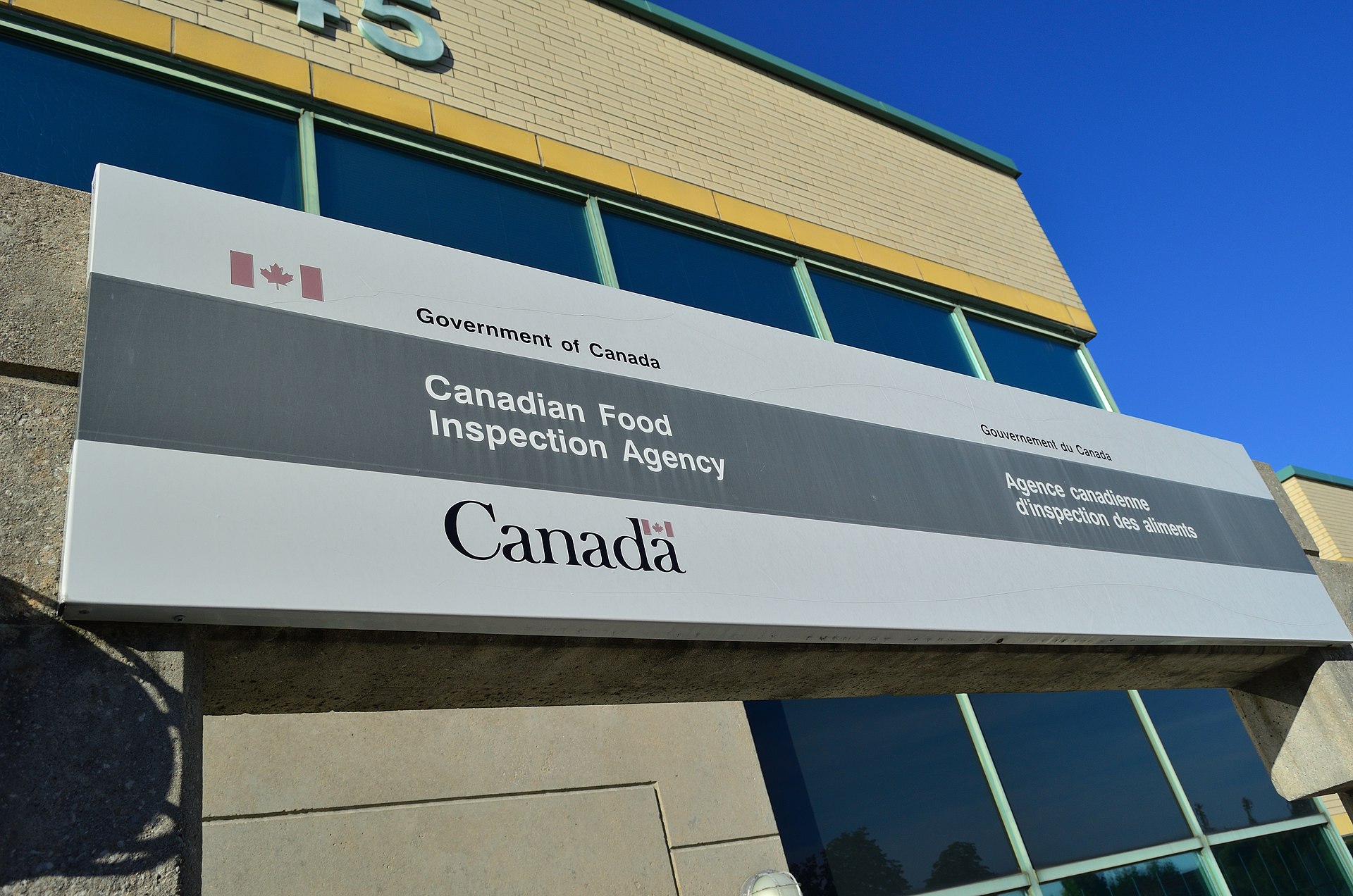
The Canadian Food Inspection Agency has released its long-awaited What We Heard report on its 2025 Seed Regulatory Modernization consultation.
Last summer, the Canadian Food Inspection Agency (CFIA) took another major step in its multi-year effort to modernize the Seeds Regulations, launching a consultation on 52 proposals aimed at reshaping how Canada’s seed system operates. The focus: Parts I (Seeds other than Seed Potatoes), III (Variety Registration) and IV (Registration of Establishments and Licensing of Operators).
Between July 29 and Oct. 3, 2025, 400 stakeholders weighed in — from seed growers and conditioners to plant breeders, commodity groups, academics, food processors and governments. Organized form-letter campaigns from Seeds Canada, the Canadian Seed Growers’ Association (CSGA) and the National Farmers Union amplified engagement.
The result? What CFIA says is strong support for change — with clear guardrails.
The Big Picture: Reform, Not Reinvention
Of the 52 proposals:
- 35 were supported by more than 60% of respondents
- 12 received mixed reactions
- Five were not supported
The strongest consensus clustered around one theme: reduce friction without reducing integrity.
Stakeholders signaled they want a regulatory framework that is:
- More efficient
- More digitally enabled
- More consistent across regions
- More competitive internationally
But not at the expense of trust, traceability or fairness, according to the report.
Cutting Red Tape — Carefully
Of the 22 proposals designed to reduce administrative burden, 17 were supported.
Aligning Seed Grades
One notable proposal would align purity standards between No. 1 and No. 2 grades. Many saw this as a practical step to simplify grading and reduce confusion.
Still, some cautioned that harmonizing purity standards across all crop types could create unintended impacts. Others suggested alternative approaches — such as maintaining grade names but declaring germination rates directly on labels.
Modernizing Imports
Several import-related proposals drew support:
- Eliminating the need to meet germination standards at time of import
- Removing germination data requirements for small seed lots
- Allowing third parties to assess import conformity
- Digitizing import clearance through CFIA’s Digital Service Delivery Platform
The industry sees digital import systems as a key lever for efficiency — but stressed that databases must be robust, secure and properly funded.
CFIA clarified that under expanded third-party service delivery, the Canadian importer of record would remain responsible for imported seed — addressing liability concerns raised during consultation.
Alternative Service Delivery
Expanding third-party roles — including issuing seed tags and reviewing import conformity — was generally supported as a way to speed processes.
But respondents flagged risks:
- Potential cost increases
- Reduced confidence if only one tag issuer exists
- Governance questions around who should administer digital systems
Many stakeholders emphasized that CSGA should remain central to Canada’s seed certification system and potentially lead digital end-to-end certification.
Digitalizing OECD Exports
Digitizing OECD seed export certification and streamlining paperwork drew strong backing. The message: Canada must keep pace with global trading partners.
Competitiveness and Innovation Take Centre Stage
If there was a standout theme in the consultation, it was this: Canada’s regulatory system must enable innovation — not slow it down.
Eight of 14 proposals aimed at boosting marketplace competitiveness received strong support.
Heritage and Heirloom Pathway
The most widely supported proposal (315 responses) would create a regulatory pathway for heritage and heirloom varieties to become registered.
Stakeholders want a process that is:
- Accessible and affordable
- Protective against disease risks
- Fair relative to requirements placed on traditionally bred varieties
The challenge? Balancing flexibility with safeguards to prevent loopholes.
Production-System-Specific Testing
There was strong backing for developing appropriate testing standards for varieties grown under specific production systems — including organic, low-carbon and farmer-selected material.
This reflects a broader shift in agriculture toward diversified production models.
Biomolecular Data
Respondents supported future acceptance of biomolecular data in variety registration — provided intellectual property protections are clear and robust.
QR Codes and Digital Tags
Digital seed tags and QR codes generated enthusiasm for improved traceability and farmer access to information. But stakeholders also raised concerns about cybersecurity and unequal digital access across rural Canada.
Safeguards Still Matter
Not all modernization proposals were embraced without hesitation.
Varietal Eligibility
The proposal for CFIA to assume responsibility for varietal eligibility assessments — currently handled by CSGA — received support from those citing CFIA’s scientific capacity and regulatory oversight role.
Others worried it could slow approvals and delay farmer access to new varieties.
Common Seed Grading
Requiring accredited graders for use of Common grade names was supported by many, but some producers flagged cost implications and reduced market flexibility.
Import Exemptions
Reducing the small-lot exemption for large-seeded crops from 5 kg to 500 g sparked concern. Stakeholders warned this could:
- Increase costs
- Limit access for research and breeding
- Impact certain operational models
CFIA clarified that samples sent for lab testing are not considered “seed” under the Seeds Act, and that U.S. resident graders remain subject to Canadian import conformity decisions.
Frustration — and Urgency
Beyond individual proposals, a broader message emerged: modernization needs momentum.
Some respondents expressed concern that the five-year co-development process has been lengthy, with limited visible progress in reducing burden. Others warned that if Canada moves too slowly, it risks falling behind international competitors adapting more quickly to modern seed system realities.
At the same time, stakeholders stressed that non-emergency regulatory changes must include:
- Clear communication
- Reasonable phase-in periods
- Strong enforcement and oversight
Efficiency gains cannot come at the cost of marketplace confidence.
What Comes Next
The CFIA will now:
- Review all consultation input, including engagement with Indigenous communities and Nations
- Seek targeted stakeholder input on compliance costs, administrative burden and expected benefits
- Develop a Regulatory Impact Analysis Statement
- Publish draft amendments in Canada Gazette, Part I under its Forward Regulatory Plan
That publication will trigger another round of public comment before final regulations are finalized.
Read the full report on the CFIA website.