New Canadian-based corn trait testing includes herbicide bioassays and ELISA trait testing, helping seed corn companies avoid cross-border delays and improve turnaround time.
In seed production, where timing and certainty are essential, trait verification and diagnostics are critical to ensuring quality and maintaining market confidence.

That’s why I’m excited to share an important development for Canadian seed companies: as of January 2026, Bayer Crop Science has authorized SGS to conduct corn trait testing in Canada.
For clients, this introduces something the Canadian seed industry has needed for a long time: a validated Canadian option for corn trait testing, so seed companies don’t have to rely exclusively on shipping samples to the United States.
Why corn trait testing in Canada matters now
For many years, Canadian seed companies have shipped corn samples to U.S. laboratories for corn seed diagnostics and trait testing. That pathway has been well established, but this season, challenges became more visible.
We heard from clients who experienced:
- Shipments stuck in transit for extended periods
- Limited visibility into sample status
- Samples being returned to sender
When trait testing results are needed to make timely decisions, even small disruptions can cause major operational issues. More importantly, it creates uncertainty. One shipment may clear quickly, while another is delayed without warning.
A Canadian solution helps reduce that unpredictability.
What SGS Canada Crop Science is now authorized to provide
The Bayer authorization includes corn trait testing in two main buckets:
- Herbicide bioassay testing (grow-out testing)
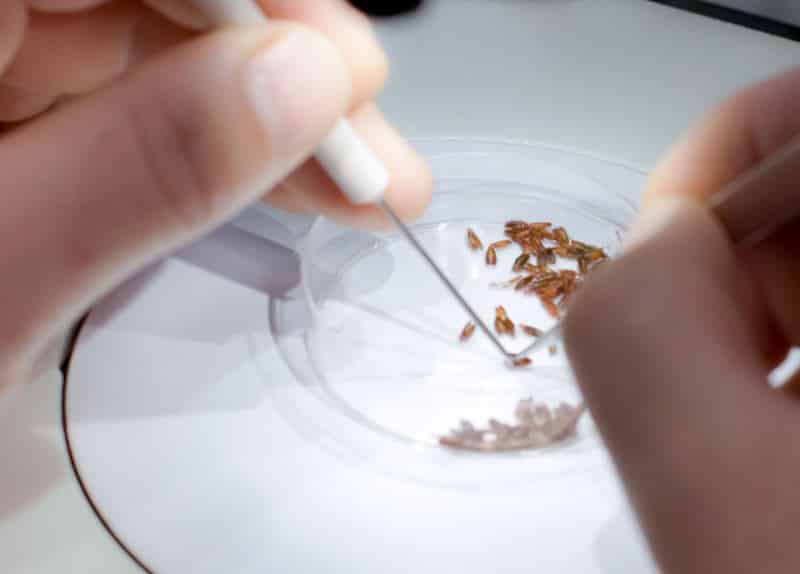
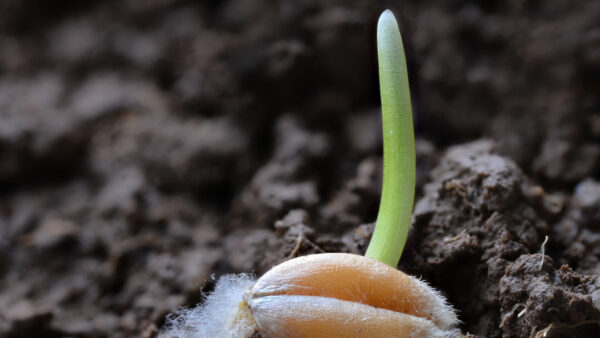
The first bucket, herbicide bioassay testing, measures herbicide resistance through a controlled grow-out test. In this process, seeds are grown in an herbicide solution on media, and seedlings are evaluated after a set period — typically a seven-day grow-out — to quantify resistance.
This type of testing is already familiar to SGS. We conduct herbicide bioassays across multiple crops, including canola, wheat, lentils and soybeans.
For corn, the key step was completing Bayer’s required validation process and adding the crop into our service offering.
2. ELISA trait testing for corn (Bayer corn genetics)
The second bucket is a major milestone for Canada: ELISA trait testing for corn.
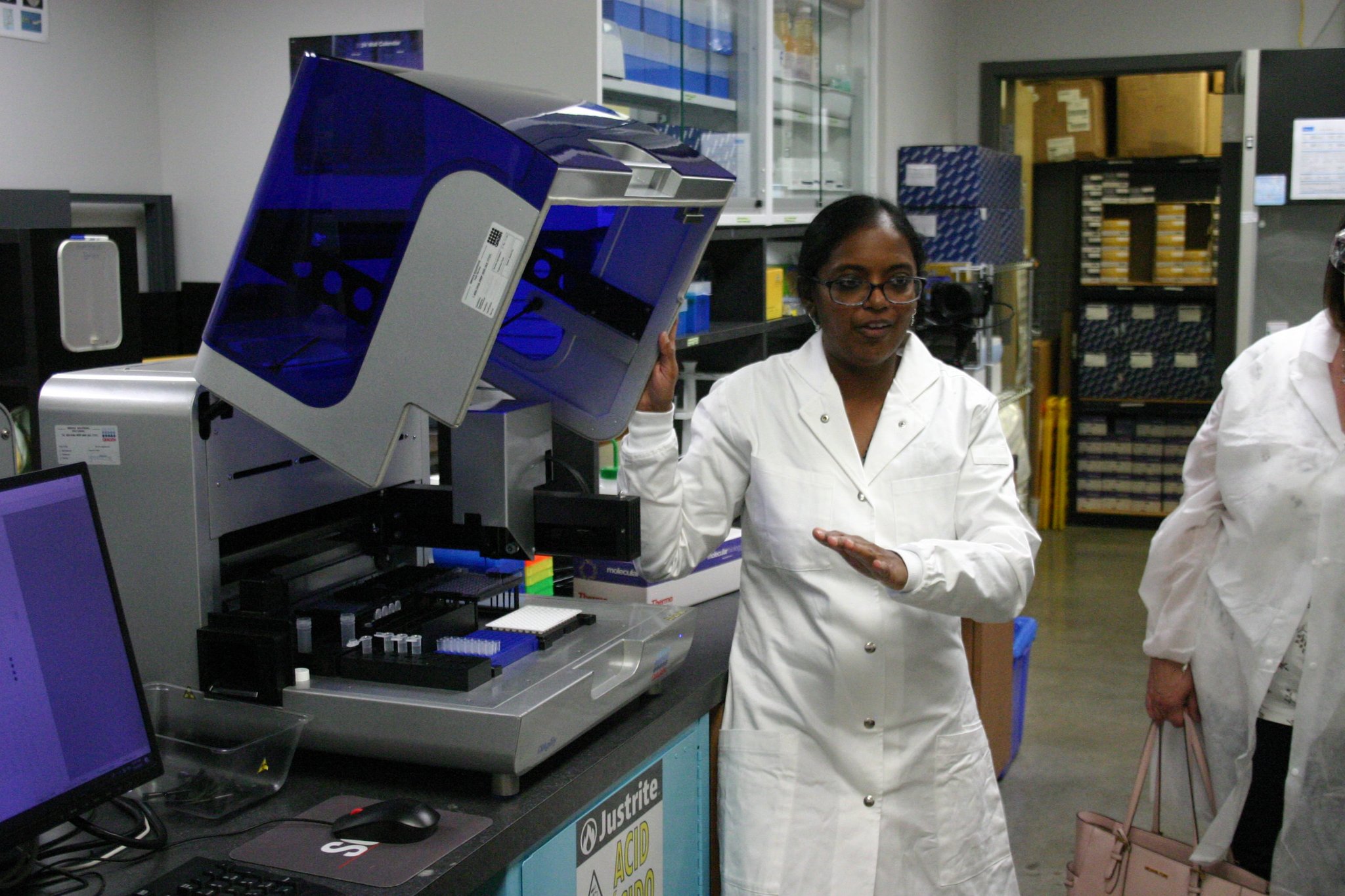
ELISA (enzyme-linked immunosorbent assay) testing allows us to analyze seeds for the presence of specific traits using a biological/chemical assay. Depending on the product, trait verification may involve multiple events.
Many corn platforms include stacked traits, meaning multiple trait components may need to be confirmed as part of standard seed quality and verification processes.
What makes this especially significant is that SGS is currently the only laboratory in Canada accredited by Bayer Crop Science to conduct this ELISA-based corn trait testing.
Supporting Ontario seed corn and Canadian seed companies
Corn seed production in Canada is concentrated in Ontario. When seed samples must cross the border for testing, the process introduces logistical risk, not because delays always happen, but because when they do, the impact can be substantial.
By offering corn trait testing in Canada, SGS provides a practical advantage: improved turnaround time, reduced shipping uncertainty, and better continuity for seed diagnostics and trait verification.
Built on proven capability and North American collaboration
SGS also benefits from strong internal collaboration across North America. Our SGS laboratory in Brookings, South Dakota already performs this testing and played a key role in helping us complete validation quickly — supporting sample sets, procedures, and method alignment.
The combination of Canadian delivery backed by proven SGS capability positions us to serve clients quickly and reliably.