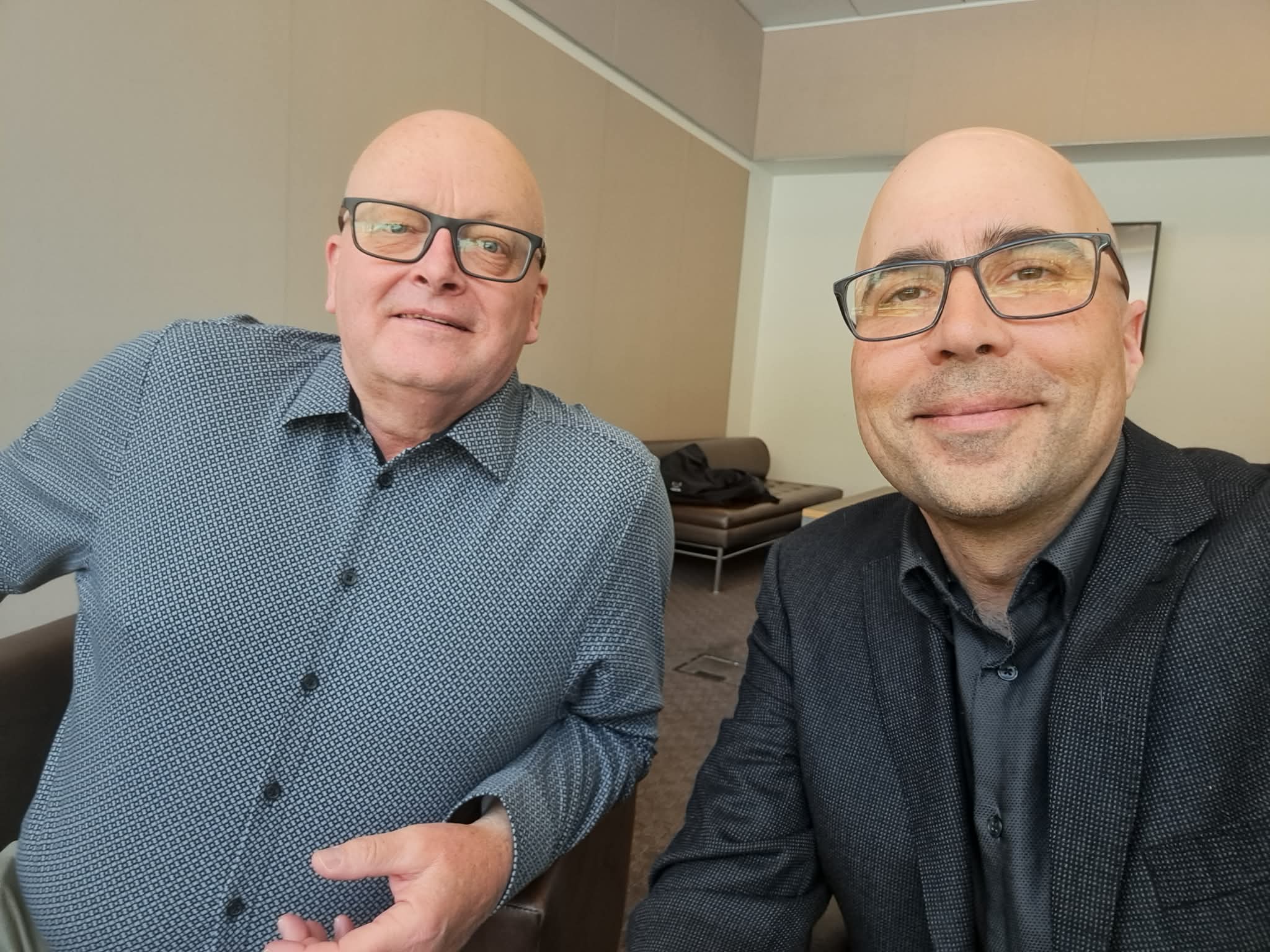
As growers face rising costs, initiatives like the Borlaug Scholars program signal how investment in people and innovation will define the next chapter of seed.
I found myself going down a bit of a rabbit hole this week.
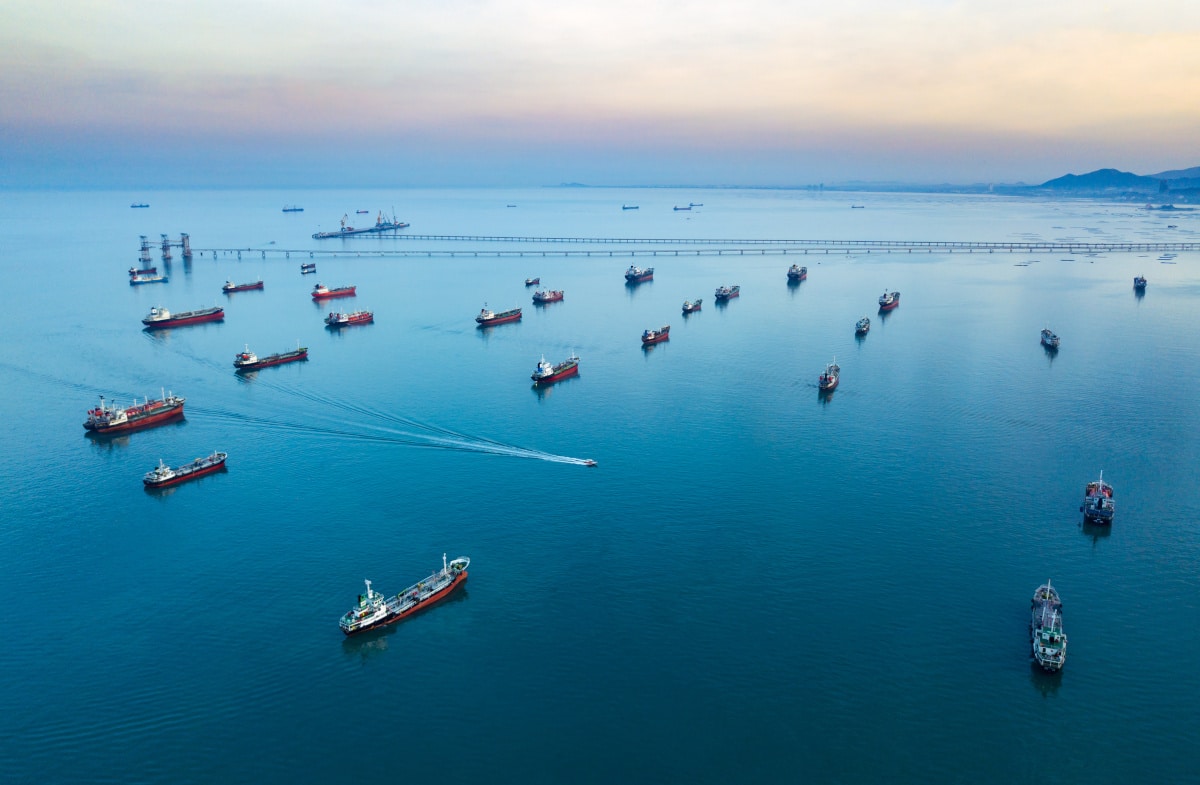
It started with a pretty straightforward conversation about diesel prices. One of those “have you seen this?” kind of chats. And then it turned into something bigger — because the answer wasn’t local. It wasn’t even continental. It traced back to the Strait of Hormuz.
That’s kind of wild when you stop and think about it.
A disruption halfway around the world, and suddenly Canadian seed growers are feeling it in their margins. Fuel costs tick up, fertilizer follows, and just like that, the math on a season changes. Not dramatically all at once — but enough. Enough to feel it.
And honestly, that lingering uncertainty might be the bigger issue.
But here’s the thing — that wasn’t the only conversation happening this week.
At the same time we’re talking about tighter margins and global instability, we’re also asking some pretty uncomfortable questions about the future of plant breeding in Canada. The kind of questions that don’t have quick answers.
Are we investing enough? Are we setting ourselves up properly for what’s coming? Or are we just… hoping it works out?
I don’t think anyone in this space believes standing still is a real option. But figuring out what “moving forward” actually looks like — that’s harder.
And then you zoom out a bit more, and you start seeing all these other pieces that are easy to overlook on their own.
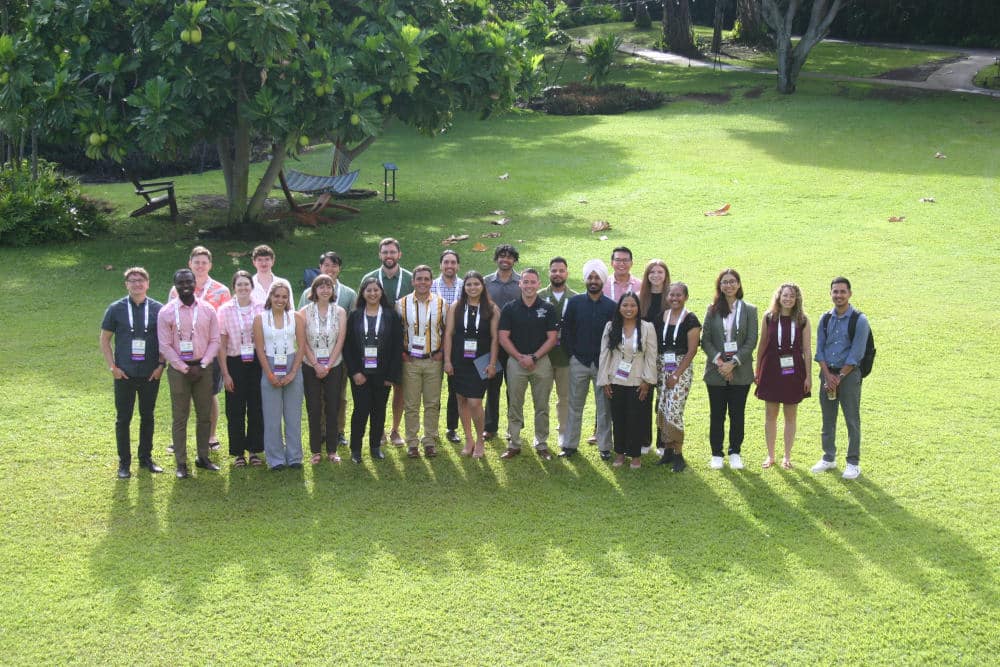
Like the Borlaug Scholars program. It’s easy to frame it as mentorship — and it is — but it’s also something else. It’s a pipeline. It’s one of the ways this industry quietly tries to make sure there’s someone ready to take over when today’s experts step back.
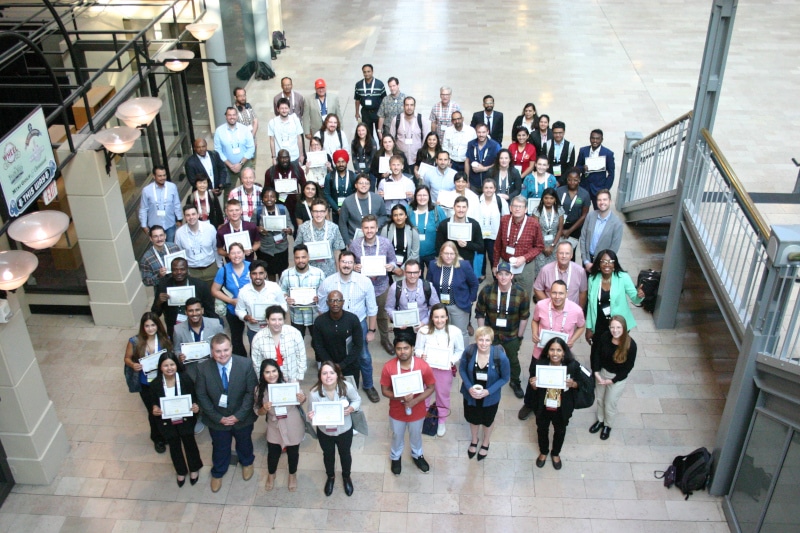
Same with the NAPB annual meeting. If you’ve ever been to one of these things, you know it’s not just presentations and name tags. It’s where people figure things out. Or at least start to.
And then there are the people who’ve been doing this work for decades.
Hearing Dr. Kelly Turkington’s story, I kept thinking about how much of this industry is built on that kind of long-term, often invisible effort. Forty years of plant pathology isn’t flashy. But it matters — probably more than most people realize.
It’s funny — we talk a lot about innovation, but a lot of what actually keeps things moving is consistency. People sticking with problems long enough to make a difference.
Anyway, I guess what I’m getting at is this:
It’s easy to look at any one of these stories on its own — diesel prices, policy debates, student programs, career retrospectives — and treat them like separate things.
But they’re really not.
They’re all part of the same system. The same story, just from different angles.
Pressure on one end. Investment (or lack of it) on another. People coming in. People carrying knowledge forward. Decisions being made — or avoided.
And all of it adds up to where this industry is headed next.
Some weeks, that feels a bit uncertain. Other weeks — like this one — it also feels like there’s a lot at stake, but also a lot of opportunity if we get it right.
Anyway. That’s what’s been on my mind.