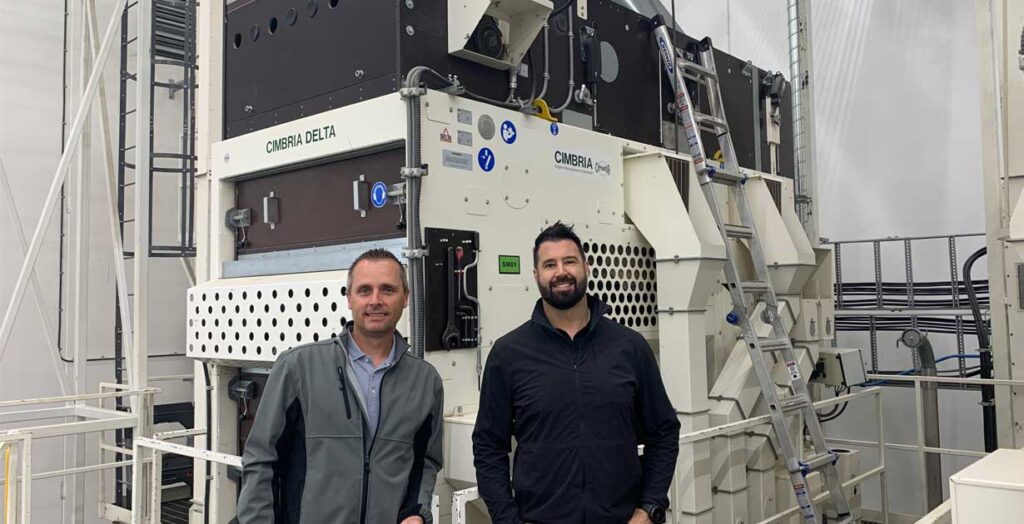

While often behind the scenes, seed processors are essential to delivering the consistency and quality growers rely on every season.
I didn’t take a straight path into agriculture, but it’s given me a unique lens on one part of the industry that doesn’t always get the spotlight: seed processors.
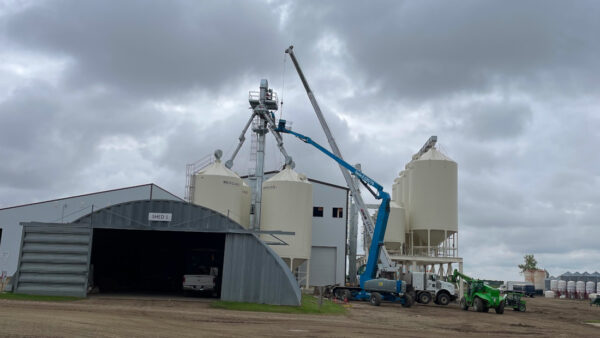
Coming from a farm background in northern Saskatchewan, I understood agriculture. But stepping into this role at Nexeed earlier this year, I was introduced more directly to seed cleaning and processing — and it didn’t take long to see how critical this part of the value chain is.
Seed processors occupy a unique space. They sit between one crop year and the next, and their work directly impacts what goes into the ground.
It’s detailed, technical work — but more than that, it’s foundational.
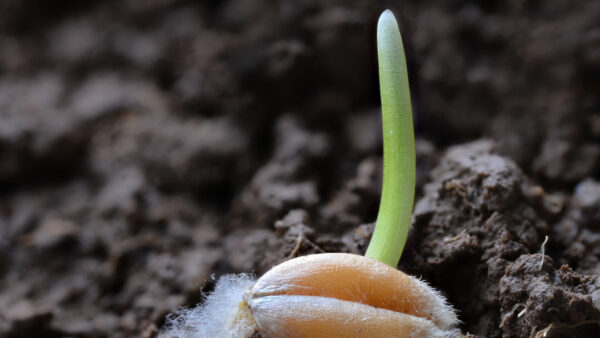
What stands out is that seed processors aren’t just handling product — they’re protecting potential. Every load moving through a plant is a chance to improve quality, consistency, and field performance.
That responsibility shapes how they operate.
One of the biggest takeaways for me has been the level of precision required. There’s very little room for error. When things get busy, everything has to run — and run right. Downtime doesn’t just slow things down; it can impact an entire operation.
That creates a culture where reliability matters at every level. Equipment, processes, and people all need to perform consistently.
Accountability is just as important. Seed processors know their work shows up later in germination, emergence, and ultimately yield. That connection to the end result is clear in how they approach their work.
Another thing that stands out is how they balance long-term thinking with evolving technology.
This is an industry that values durability. It’s not uncommon to see equipment running reliably for decades, proof that long-term investment matters.
At the same time, there’s openness to innovation when it adds real value. Technologies like advanced colour sorting and AI-driven systems are improving efficiency and accuracy in ways that weren’t possible a few years ago.
What’s notable is how practical that adoption is — it’s about what works, not what’s trendy.
Even with all the technology, this remains a relationship-driven part of agriculture.
Seed processors work closely with growers, and that relationship is built on trust. Growers rely on processors for clean, consistent, high-quality seed. In turn, processors rely on partners who can deliver dependable equipment and support.
It’s a tight-knit part of the industry where reputation matters.
Seed processing may be underappreciated outside the industry, but spend time around it, and its importance becomes clear.
It’s where quality is refined. Where consistency is built. And where the foundation is laid for the next crop.
From the outside, it might look like just another step. From the inside, it’s a cornerstone of the entire system.