Coloured wheat varieties could represent a healthy, tasty alternative to conventional whole-grain bread, say researchers at the University of Hohenheim.
Colourful and nutrient-rich, but still not widely established in Germany, white and purple wheat may be less productive than conventional wheat varieties. However, they offer potential benefits for whole-grain diets, including a lighter texture, less pronounced whole grain flavour, and a broader range of nutrients.
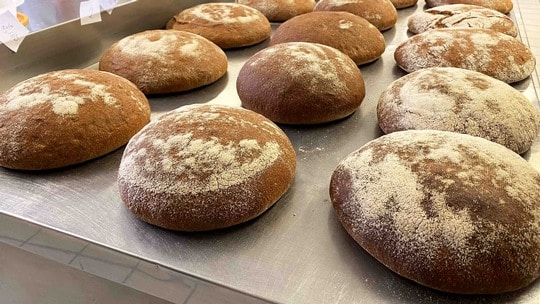
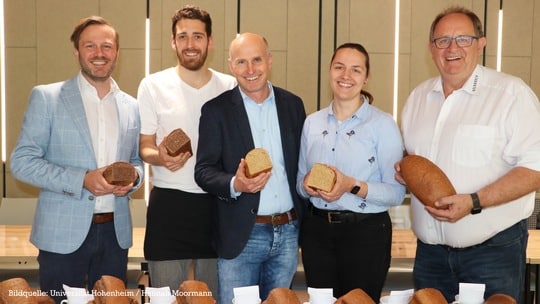
Recently, they passed a practical test. A two-day experiment with researchers from the University of Hohenheim in Stuttgart and the BeckaBeck bakery in Römerstein showed that coloured wheat can produce appealing and flavourful breads in the bakery industry, according to a press release.
The six white, eight red, and 10 purple wheat varieties, along with one yellow variety, used in the baking marathon were sourced both in Germany and internationally by Prof. Dr. Longin from the State Seed Breeding Institute at the University of Hohenheim. After several years of seed propagation, the best-adapted varieties for Germany were selected. The larger field study officially began with sowing in October 2022.
“While Europe relies primarily on red wheat, white wheat is popular for baking in the U.S., Australia, and New Zealand,” says Longin. Purple wheat varieties are also difficult to find in this country. He and his colleague, Prof. Dr. Mario Jekle, from the Plant Foods Department, previously examined the wheat varieties in comprehensive field and laboratory analyses.
“White and purple wheat varieties performed surprisingly well in the field,” explains Longin. “And we believe that white and purple wheat varieties can contribute significantly to a healthy diet with bread.”
Whole-grain Breads Have Historically Struggled To Attract Consumers
The shared goal of the two Hohenheim scientists: to make the consumption of nutritionally beneficial whole grains more attractive – through bread made from coloured wheat.
Wheat, according to Jekle, is essential for a balanced diet: “Globally, wheat provides about 20% of our daily energy needs. In some countries, wheat breads alone provide 20% of our daily fiber and protein. Some assumptions even assume higher values,” the food technologist explained after the tasting at the press conference in Römerstein. “However, the valuable ingredients are primarily found in the outer layers of the grains. They are therefore mainly found in whole-grain products, so that the supply could be improved by using more whole-grain products.”
Purple Wheat Varieties Outperform Red Wheat Varieties
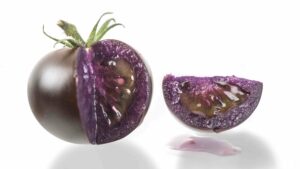
Purple wheat produces darker breads than standard red wheat and is noted for its rich, chocolatey, and nutty flavour. From a nutritional standpoint, purple wheat varieties stand out due to their high levels of anthocyanins, healthy plant compounds that give the wheat its dark purple hue. These compounds are also found in red and blue fruits.
In practical baking trials, some weaknesses were observed in the coloured wheat varieties. While certain purple varieties performed well, matching the baking volume of red wheat, white wheat showed poorer dough stability, making products like toast or sliced rolls challenging to produce. However, the test breads made from white wheat were still impressive, and improvements in dough stability could be achieved using techniques like sourdough, pre-dough, or adjusted kneading, similar to methods used for spelt or emmer.
Filed Trials
White and purple wheat varieties showed surprising results in field trials. Longin partnered with five plant breeding companies across Germany to evaluate how these varieties perform in both conventional and organic farming conditions at various locations. The field trial results revealed that harvest yields were lower compared to red wheat varieties.
“On average, the white wheat varieties produced around 10% less yield than red wheat. The purple wheat varieties produced just under 15% less,” Longin said. However, no significant disadvantages were identified. “White and purple wheat varieties performed at an agronomically better level than alternative wheat varieties such as emmer and einkorn – and proved to be surprisingly resistant to diseases.”
White and Purple Wheat Show Promise for Expanding Whole-Grain Options
Field, lab, and baking trials suggest that white and purple wheat varieties could encourage more people to choose whole-grain baked goods, supporting healthier diets, says Prof. Dr. Friedrich Longin. However, Prof. Dr. Jekle emphasizes that unlike red wheat, which receives significant investment, these colorful varieties need more research, collaboration, and innovation across the value chain to gain a foothold in commercial baking.