Assosementi and the Ukrainian Institute for Plant Variety Examination (UIPVE) signed a Memorandum of Understanding July 14 in Rome during the Conference on the Recovery of Ukraine 2025. This agreement marks the start of closer cooperation between the two countries in the seed sector, aiming to promote and strengthen economic, scientific, and technical ties while supporting Ukraine’s food security.
Valid for three years, the Memorandum outlines active collaboration between Assosementi and UIPVE to exchange knowledge and best practices. It also encourages the development of joint scientific research projects and their practical application in agriculture. Key goals include fostering partnerships in seed and seedling production and enhancing the expertise of both organizations. Additionally, the agreement promotes sharing economic and scientific information through joint participation in fairs, exhibitions, seminars, conferences, and symposia, according to a press release.
“We are proud of the collaboration started with Ukrainian colleagues in the definition of the Memorandum signed today on this important occasion,” said Giuseppe Carli, President of Assosementi. “This is an agreement that will favor the creation of a concrete synergy between the parties through mutual assistance, the activation of research projects and the exchange of experiences and information aimed at the growth of the seed sector of the two countries.”
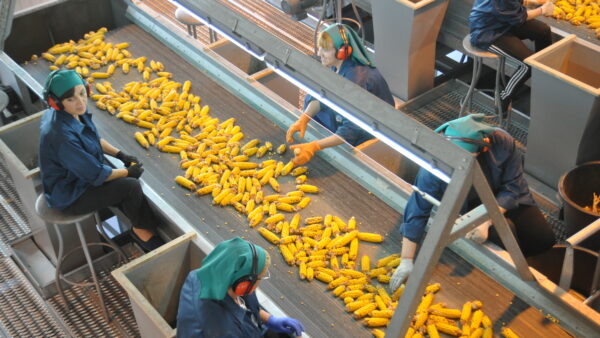
Before the conflict, Ukraine had over 41 million hectares of agricultural land, with nearly 33 million hectares dedicated to arable farming. Agriculture accounted for 11% of the country’s GDP and employed around 2.5 million people, making it a key pillar of the economy. In 2021, cereals — primarily wheat and corn, followed by barley — covered 56% of the sown area, while industrial crops such as sunflower, rapeseed, and soybeans made up 32%. Potatoes and fodder were also significant crops.
“Seeds are a determining factor in ensuring quality, yield and competitiveness, especially in a production context as large and strategic as the Ukrainian one,” added Carli. “Our country boasts a long tradition and recognized excellence in the sector, which place us in second place in Europe for volumes and turnover, with leadership in key sectors such as durum wheat, rice, soy, sugar beet, alfalfa and vegetable crops. In addition, a significant part of Italian sunflower seeds is already destined for Ukraine, confirming a historical link and a collaboration that today is finding new impetus. Thanks to these assumptions, we are sure that we can contribute to strengthening Ukrainian production capacities, foster innovation and support the recovery of the country’s economic and social growth, today abruptly interrupted by the war conflict,” Carli concluded