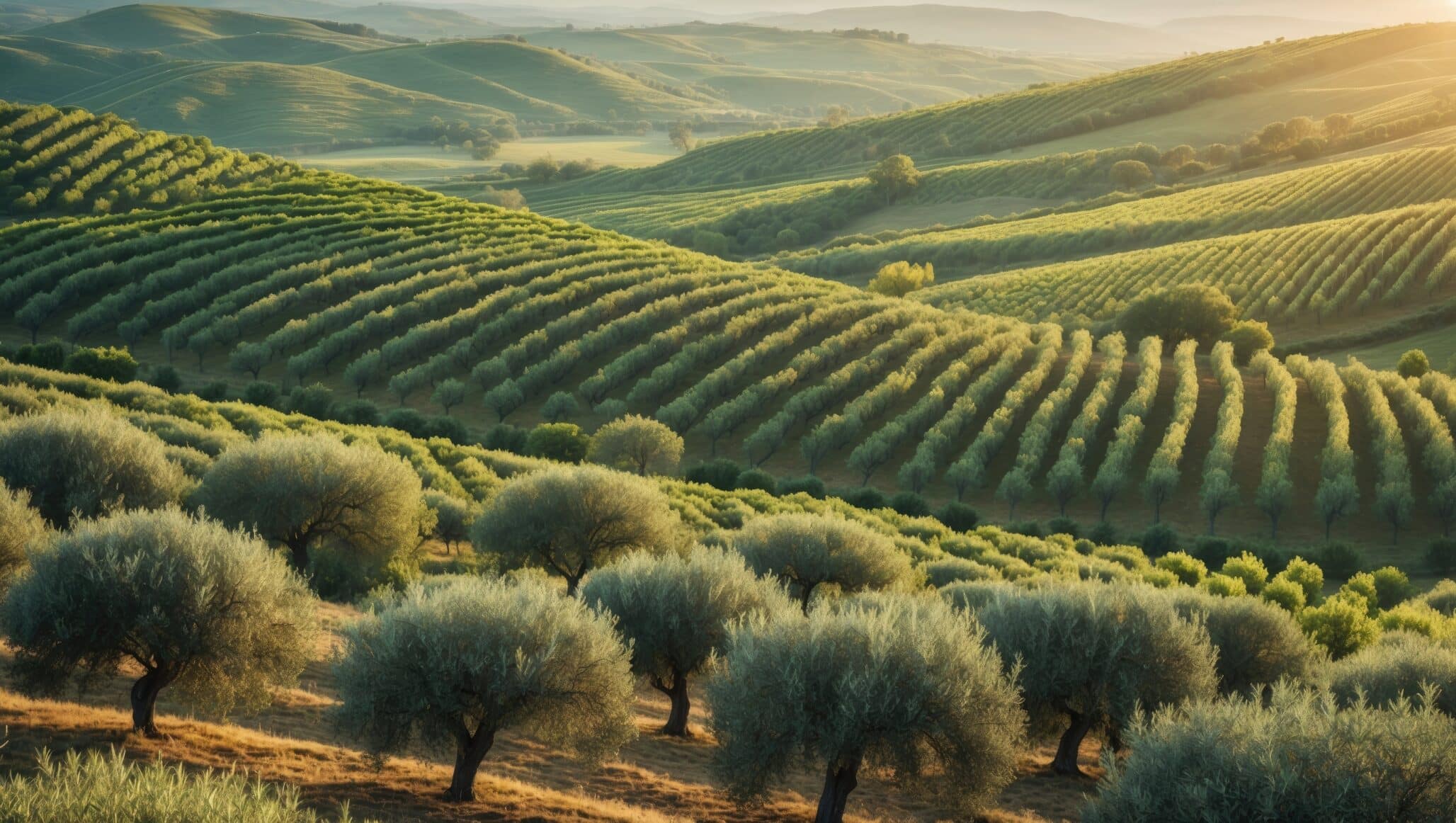
An agrosilvopastoral system in Portugal has been recognized as a Globally Important Agricultural Heritage System, highlighting its unique integration of forestry, agriculture, and livestock.
Joining this designation is an integrated mountain agropastoral system in Tajikistan, the first such site in Central Asia, along with a pine tree agroforestry and traditional bamboo-fishery system in South Korea. These recognitions celebrate the diverse and sustainable agricultural practices across different regions, according to a press release.
“As it extends to new regions and countries, the GIAHS network is once again demonstrating its distinctive role in showcasing agricultural systems that promote traditions nurtured by communities and ways of pursuing their livelihoods in harmony with nature,” said Kaveh Zahedi, Director of the Office of Climate Change, Biodiversity and environment at the Food and Agriculture Organization of the United Nations (FAO).
“As we confront the climate crisis and loss of biodiversity, the contribution age old ways to build resilience and use biodiversity sustainably is all the more vital in transforming our agrifood systems to keep up with the challenges.”
The systems were officially designated under FAO’s flagship programme during the GIAHS Scientific Advisory Group meeting held from July 7 to 8, 2025. These newest additions bring FAO’s global agricultural heritage network to 99 systems across 29 countries. With Tajikistan’s first designation, the number of recognized systems now stands at nine in South Korea and two in Portugal.
With growing interest worldwide, GIAHS designations are expected to surpass 100 before the Certificate Award Ceremony scheduled for October 31, held as part of FAO’s 80th anniversary celebrations.
Montado Agrosilvopastoral System of the Serpa Hills, Portugal
The Montado da Serra de Serpa in southern Portugal is one of Europe’s oldest agrosilvopastoral systems, where cork and holm oak woodlands are managed with deep ecological sensitivity. Through low-intensity grazing, dryland farming, and careful forest stewardship, local communities have created a multifunctional landscape that conserves biodiversity, supports rural livelihoods, and exemplifies a Mediterranean model of climate resilience and land restoration.
This system hosts a rich variety of wildlife, including over 120 bird species, forest mushrooms, and threatened animals like the Iberian lynx and black vulture.
Tree cover helps reduce soil erosion, improves water retention, and stores carbon in soils and biomass. The woodlands coexist with cereals, legumes, pastures, beekeeping, and extensive grazing of sheep and goats, producing income from cork, meat, honey, herbs, mushrooms, and nature tourism.
Recognized by the EU as a High Nature Value farming system, Montado da Serra de Serpa exemplifies low-intensity agriculture that supports high biodiversity and contributes to climate and conservation goals.
Traditional Jukbangryeom Fishery System, Jijok Straits, South Korea
The Jukbangryeom system uses bamboo fish weirs to catch anchovies sustainably without fuel, bycatch, or habitat harm. Practiced for over 500 years, it reflects traditional knowledge and a low-impact coastal lifestyle.
Fixed traps guide fish into holding chambers, supporting small-scale fishers, local markets, and women-led cooperatives. The method preserves marine ecosystems and fish migration routes.
Almosi Valley Integrated Agropastoral System, Tajikistan
The Almosi Valley system blends seasonal sheep transhumance with cultivation of grapes, cereals, orchards, and vegetables across rugged mountain terrain. Developed over centuries, it supports food security, conserves agrobiodiversity, and preserves cultural heritage amid challenges like soil erosion, water scarcity, and climate change.
The valley hosts diverse ecosystems, including local wheat, barley, vegetable landraces, and Hisori sheep. The Pink Toifi grape, prized for its quality, is used to produce raisins, syrup, juice, and wine.
Farming relies on ancestral practices such as contour planting, organic fertilization, the Muchal calendar — which guides agriculture by environmental signals — and traditional water-saving irrigation.
Community management through mahalla committees, family farms, cooperatives, and collectives ensures knowledge sharing, sustainable resource use, and cultural continuity.