The future of long-term space habitation hinges on our ability to cultivate fresh food beyond Earth. The groundbreaking Moon-Rice project is harnessing advanced experimental biology to develop an ideal food crop designed for growth in deep-space outposts and extreme environments here on Earth.
Currently, space missions depend heavily on resupplies of mostly pre-packaged meals, which rarely include fresh ingredients. To combat the adverse health effects of space travel, it’s crucial to establish a steady supply of nutritious foods rich in vitamins, antioxidants, and fiber.
The Moon-Rice project aims to develop the perfect crop for sustaining life in space for long-duration missions, such as the occupation of permanent bases on the Moon or on Mars, according to a press release.
“Living in space is all about recycling resources and living sustainably,” says Marta Del Bianco, a plant biologist at the Italian Space Agency. “We are trying to solve the same problems that we face here on Earth.”
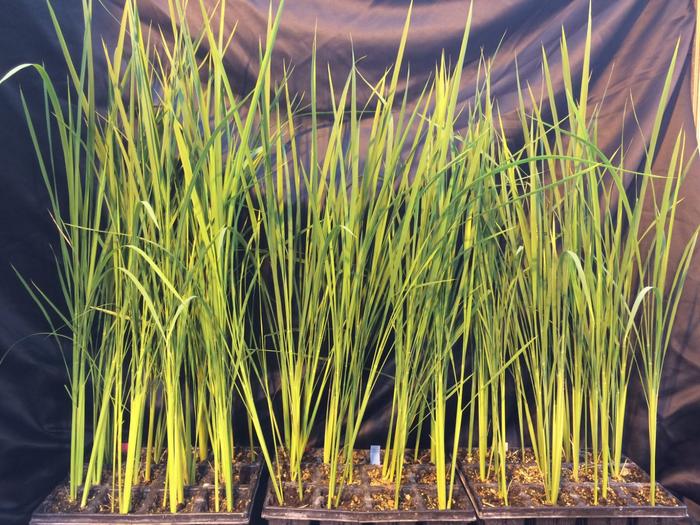
Del Bianco explains that one of the major challenges is the current size of crops grown on Earth. Even many dwarf varieties of rice are still too big to be grown reliably in space. “What we need is a super-dwarf, but this comes with its own challenges,” she says. “Dwarf varieties often come from the manipulation of a plant hormone called gibberellin, which can reduce the height of the plant, but this also creates problems for seed germination. They’re not an ideal crop, because in space, you just don’t have to be small, you must also be productive.”
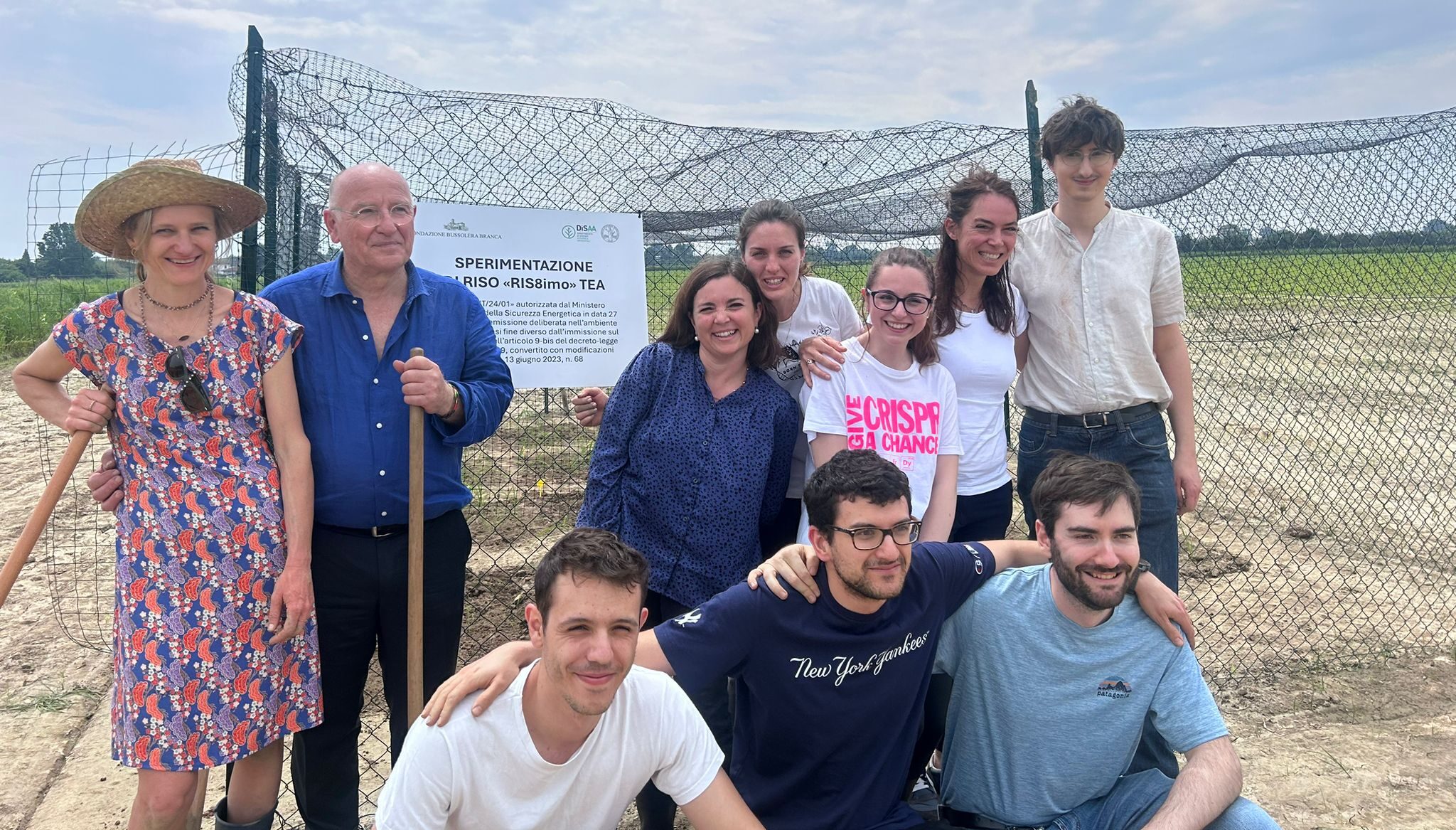
The Moon-Rice project is not just a solo effort by the Italian Space Agency and also involves the collaboration of three Italian Universities.
“The University of Milan has a very strong background in rice genetics, the University of Rome ‘Sapienza’ specialises in the manipulation of crop physiology and the University of Naples ‘Federico II’ has an amazing heritage in space crop production,” says Del Bianco. Del Bianco says the four-year project was started nine months ago, so “it’s very much a work in progress.” She says the preliminary results we have now are really promising,
“Researchers at the University of Milan are isolating mutant rice varieties that can grow to just 10 cm high, so they’re really tiny and this is a great starting point,” says Del Bianco. “At the same time, Rome has identified genes that can alter the plant architecture to maximize production and growth efficiency.” Additionally, since meat production will be too inefficient for resource and space-limited space habitats, Dr Del Bianco and her team are looking into enriching the protein content of the rice by increasing the ratio of protein-rich embryo to starch.
Del Bianco’s own personal focus is on how the rice plants will cope with micro-gravity. They simulate micro-gravity on Earth by continually rotating the plant so that the plant is pulled equally in all directions by gravity. Each side of the plant gets activated continuously and it doesn’t know where the up and down is. “It’s the best we can do on Earth because, unfortunately, doing experiments in real microgravity conditions, i.e. in space, is complex and expensive.”
Fresh food offers more nutrition than pre-cooked and packaged space meals and also provides important psychological benefits. Engaging with growing plants can improve mental well-being, which is especially critical for long-duration missions where reliance on processed food may become problematic. Maintaining astronauts’ physical and mental health is vital for the demanding nature of space exploration, as a supportive environment can reduce stress and minimize the risk of errors—errors that in space can range from costly to life-threatening.
The Moon-Rice project is not only beneficial for space explorers but will have useful applications for growing plants in controlled environments on Earth too.
“If you can develop a robust crop for space, then it could be used at the Arctic and Antarctic poles, or in deserts, or places with only a small amount of indoor space available,” says Del Bianco.