The World Food Prize Foundation has named Derek Barchenger, Senior Scientist and head of the Global Pepper Breeding Program at the World Vegetable Center (WorldVeg), as the 2025 recipient of the Norman E. Borlaug Award for Field Research and Application, endowed by the Rockefeller Foundation.
Barchenger is honored for his leadership in advancing pepper breeding — boosting productivity and resilience for hundreds of thousands of smallholder farmers through improved varieties, innovative breeding strategies, and elevating peppers as a global priority crop.
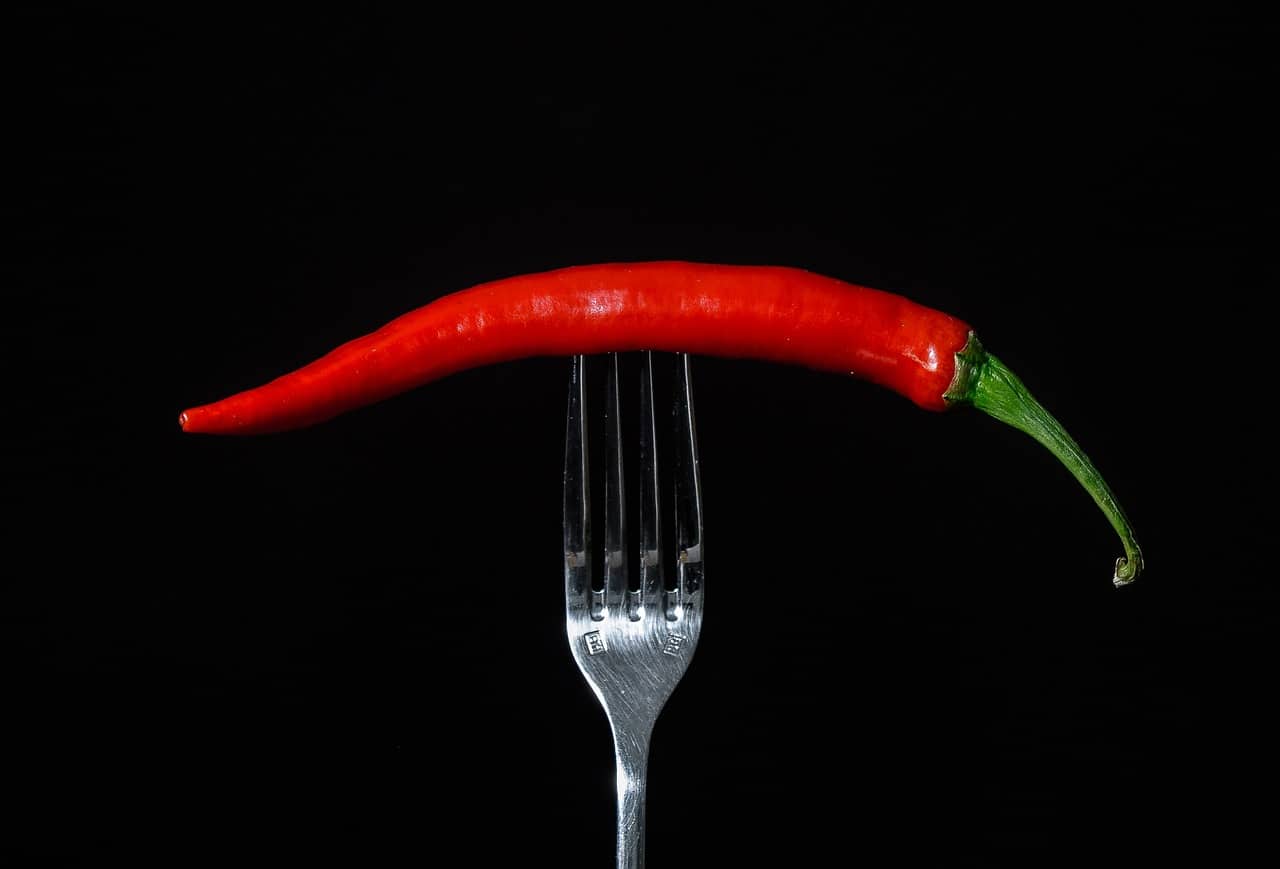
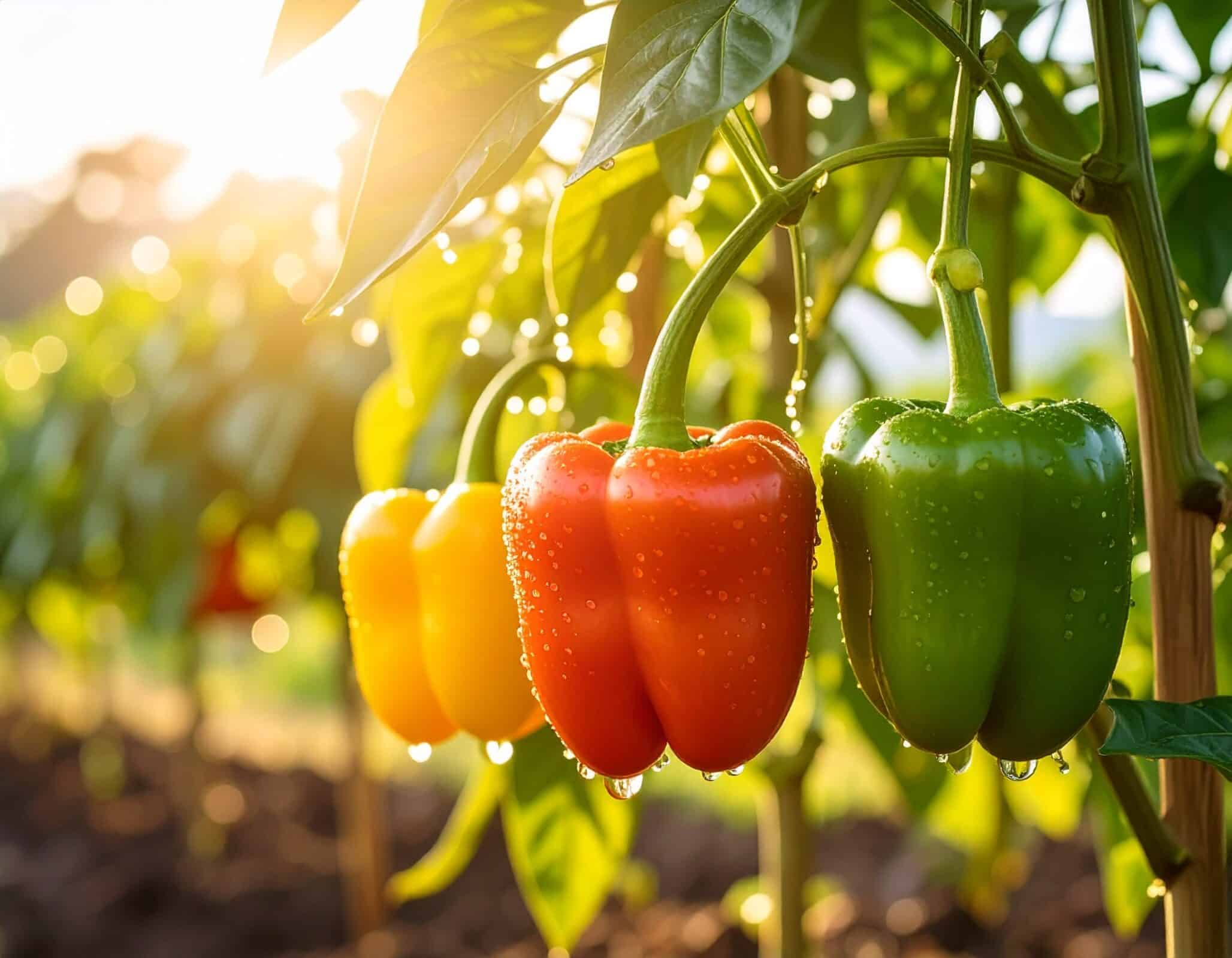
Each year, more than 41 million tonnes of peppers are grown, largely by smallholder farmers who depend on them for income and as a vital source of micronutrients like vitamin C and provitamin A. Barchenger has dedicated his career to enhancing the productivity and climate resilience of diverse Capsicum species, including bell and chili peppers, according to a press release.
“Receiving the Borlaug Field Award is an incredible honor and it affirms the power of science when it’s rooted in the field,” said Barchenger. “For millions of farmers, pepper is everything—an income, a tradition and a future. It’s an unsung hero of urban and rural livelihoods, nutrition and resilient food systems. I’m extremely proud of the improved pepper varieties we’ve developed, tested and shared, and I’m equally proud of the WorldVeg team and the global network that has helped make it all possible.”
Barchenger’s career is grounded in purpose and scientific curiosity. Growing up on a family farm in Oklahoma, he was fascinated by the variety of peppers in the garden—an interest that would shape his life’s work. That fascination deepened during his doctoral studies in the Southwestern U.S., where he explored the cultural significance of chili peppers, from their spiritual role to their use as currency. When the chance came to focus his research on peppers, he seized it.
Driven to tackle challenges such as crop diseases, rising temperatures, and climate shifts threatening yields and quality, Barchenger joined the World Vegetable Center in 2016 as a U.S. Borlaug Fellow in Global Food Security. He became a postdoctoral fellow the following year and, by 2018, was leading WorldVeg’s global pepper breeding program.
“Derek Barchenger’s journey, from an Oklahoma farm to leading global innovations in pepper breeding, is a testament to what’s possible when passion meets purpose,” said Mashal Husain, President, World Food Prize Foundation. “His work empowers smallholder farmers, strengthens food systems and breathes new life into a crop that sustains cultures and economies alike. In honoring Derek with the Borlaug Field Award, we celebrate not just a scientist, but a changemaker whose impact will be felt for generations.”
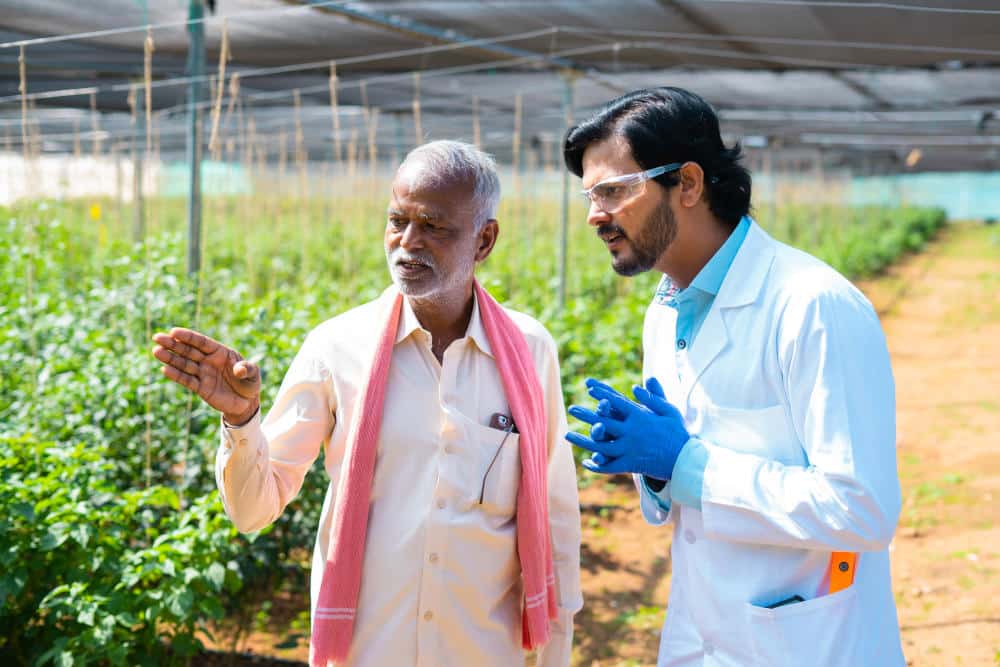
At WorldVeg, Barchenger has revitalized the pepper breeding program, expanding it from a small Taiwan-based team of 10 into a global, multidisciplinary group of more than 20 scientists and field staff. The program now runs coordinated breeding efforts in India and Benin, with testing sites worldwide. He also leads regional networks across Asia, Africa, Latin America, and the Caribbean, advancing capacity building and collaborative research. Every project begins with a detailed market and needs analysis to ensure new varieties meet farmer priorities and local challenges.
Barchenger has forged partnerships with dozens of seed companies to deliver peppers that withstand climate extremes, pests, and diseases. Since 2018, WorldVeg has released 24 new pepper varieties under his leadership, along with 12 new germplasm lines each year to consortia in Africa and Asia. More than 50 seed companies now use these lines. In 2024 alone, they sold 20 tonnes of pepper seed containing WorldVeg genetics — enough to reach 300,000 farmers.
“Derek Barchenger embodies the enduring spirit of Dr. Norman Borlaug—using science in service of humanity,” said Thomas Vilsack, CEO, World Food Prize Foundation. “Through his groundbreaking work in pepper breeding, he has uplifted the livelihoods of hundreds of thousands of smallholder farmers and brought resilience to a vegetable that nourishes both people and cultures. His leadership reminds us that innovation in the field can be a powerful force for global food and nutrition security. We are proud to honor him with the 2025 Borlaug Field Award.”
Barchenger’s achievements have made him a recognized global leader in pepper breeding. In 2022, the Asian Food and Agriculture Cooperation Initiative (AFACI) of Korea appointed him to lead a regional project delivering vegetable breeding lines, advice, and training to farmers in 14 Asian countries. In just three years, most participating nations have developed lines ready for release. He also partnered with the Global Crop Diversity Trust to create the Global Capsicum Conservation Strategy—a worldwide effort to preserve pepper diversity and expand its use.
Through these initiatives, Barchenger has elevated pepper breeding across the value chain, from genetics and seeds to production, markets, and consumers, helping to secure its place as a priority crop for public and private organizations worldwide. His work demonstrates the power of demand-driven vegetable crop improvement to enhance nutrition, boost climate resilience, and open new opportunities for smallholder farmers.
Established in 2011 with a generous endowment from The Rockefeller Foundation, the $10,000 Borlaug Field Award honors scientists under 40 who exemplify the dedication of Dr. Borlaug during his development of “miracle wheat” in Mexico. This year marks 14 years of partnership between the Foundation and The Rockefeller Foundation in recognizing young scientists worldwide.
Barchenger will receive the award at the 2025 Norman E. Borlaug International Dialogue in Des Moines, Iowa, Oct. 21–23, where he will share his story and vision for the future of sustainable agriculture.