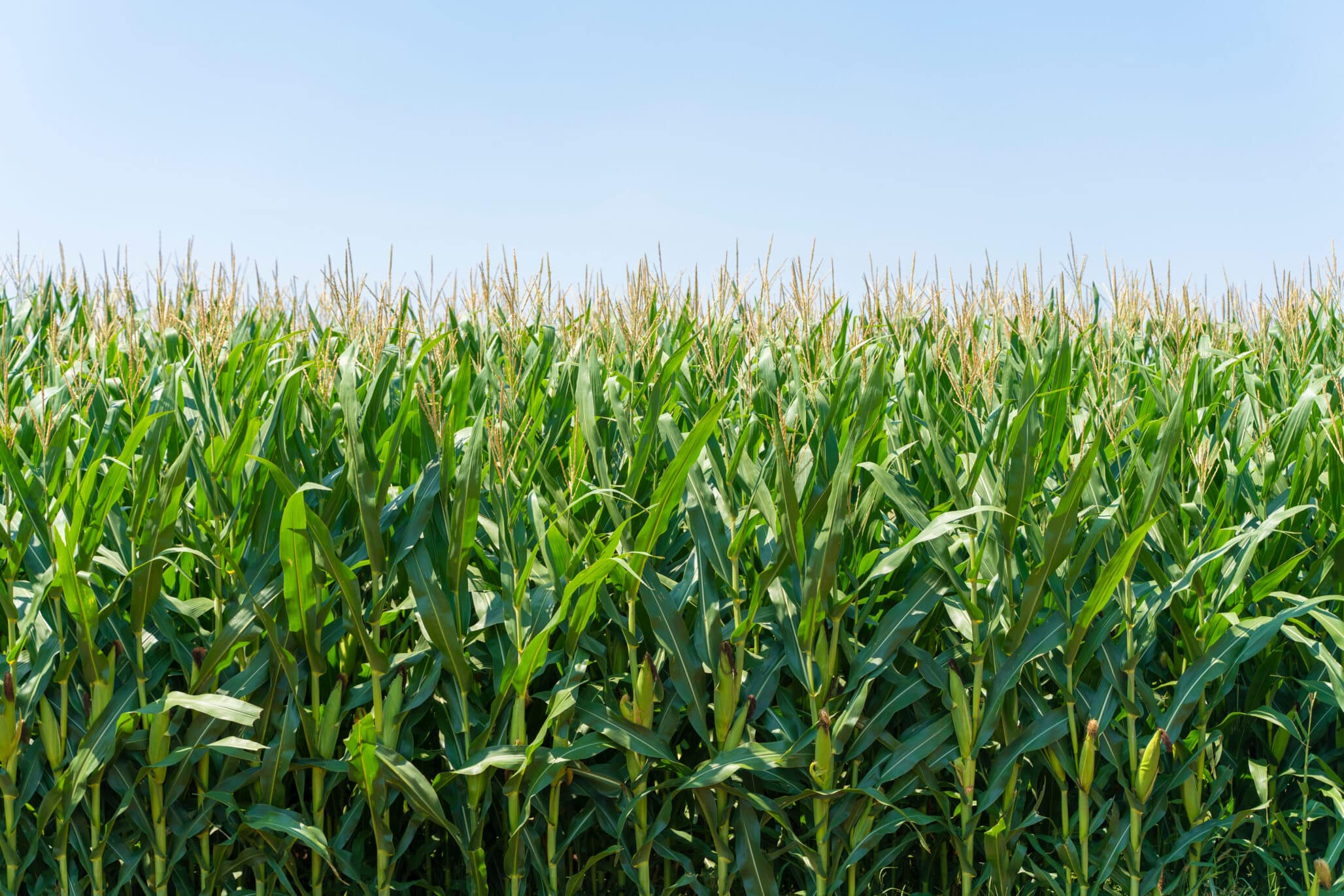
A groundbreaking study published in Nature Genetics by researchers from the Max Planck Institute for Plant Breeding Research and international collaborators sheds light on how corn responds to drought stress at the genetic level. The work maps “cis elements” — DNA regions where transcription factors bind and control gene activity — across 25 maize hybrids, creating the first pan-cistrome for drought-stressed corn.
By comparing plants grown under optimal irrigation with those under drought, the team identified gene regions tied to drought response and pinpointed differences between tolerant and sensitive varieties. These findings make previously hidden genetic variations accessible for breeding and genome editing, offering new tools to improve climate resilience, according to a press release.
The study also linked more than 200,000 binding QTL to key traits, with evidence showing they account for about 70% of the heritable variation in 143 measured traits. This resource could accelerate the development of corn varieties that maintain yields under challenging growing conditions.